Correcting Equine Nasal Collapse Caused by Nerve Damage
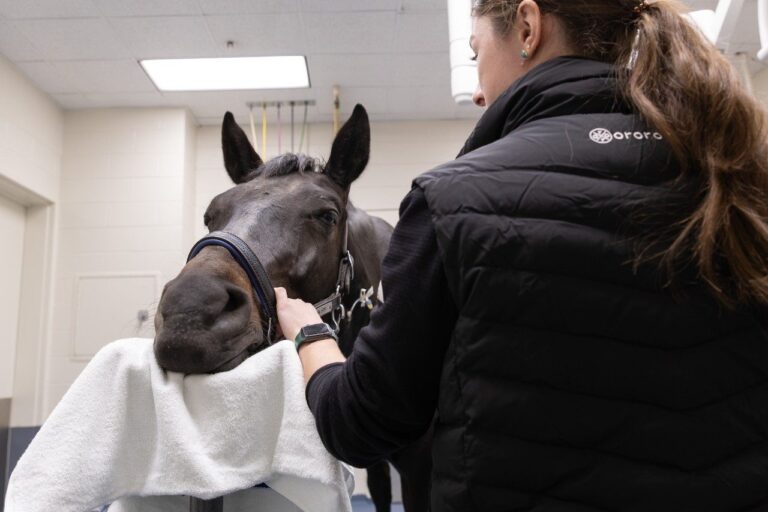
Learn how veterinarians treated an 18-month-old Andalusian colt that suffered nasal collapse after a training accident.

Learn how veterinarians treated an 18-month-old Andalusian colt that suffered nasal collapse after a training accident.
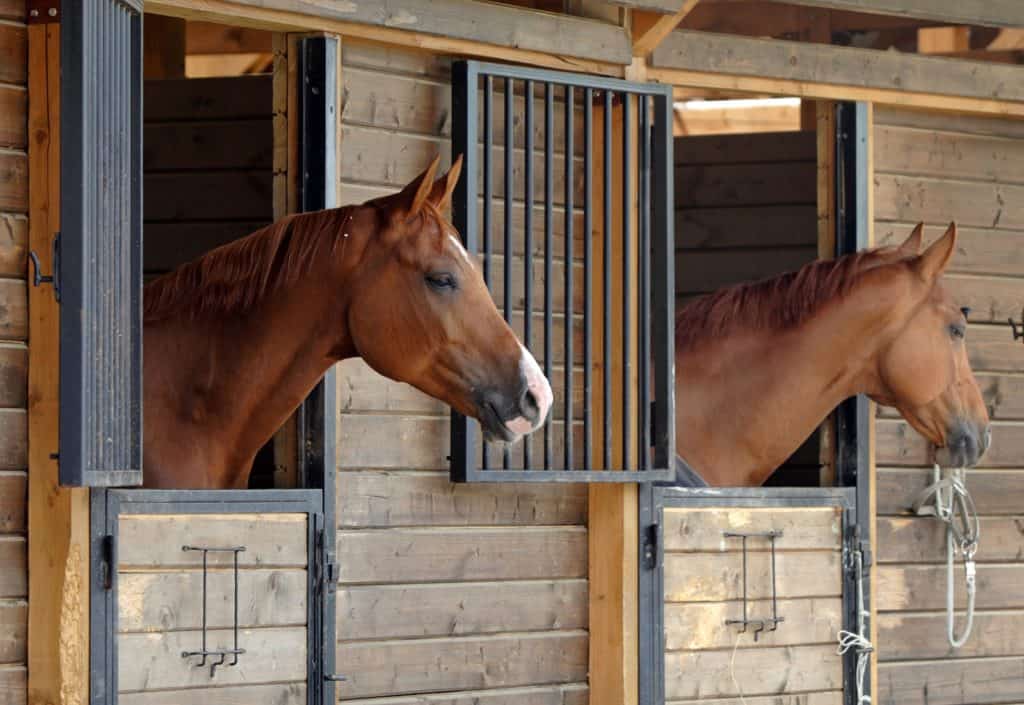
Poor air quality in stalls is a leading cause of equine asthma. Discover ways to improve air circulation when designing horse barns from Morgan Hayes, PE, a livestock systems engineer at University of Kentucky.

Vaccination and biosecurity can help keep your horse healthy when you take him off the farm.

Dr. Fernanda Cesar shares the most current research on R. equi, which causes pneumonia in foals.
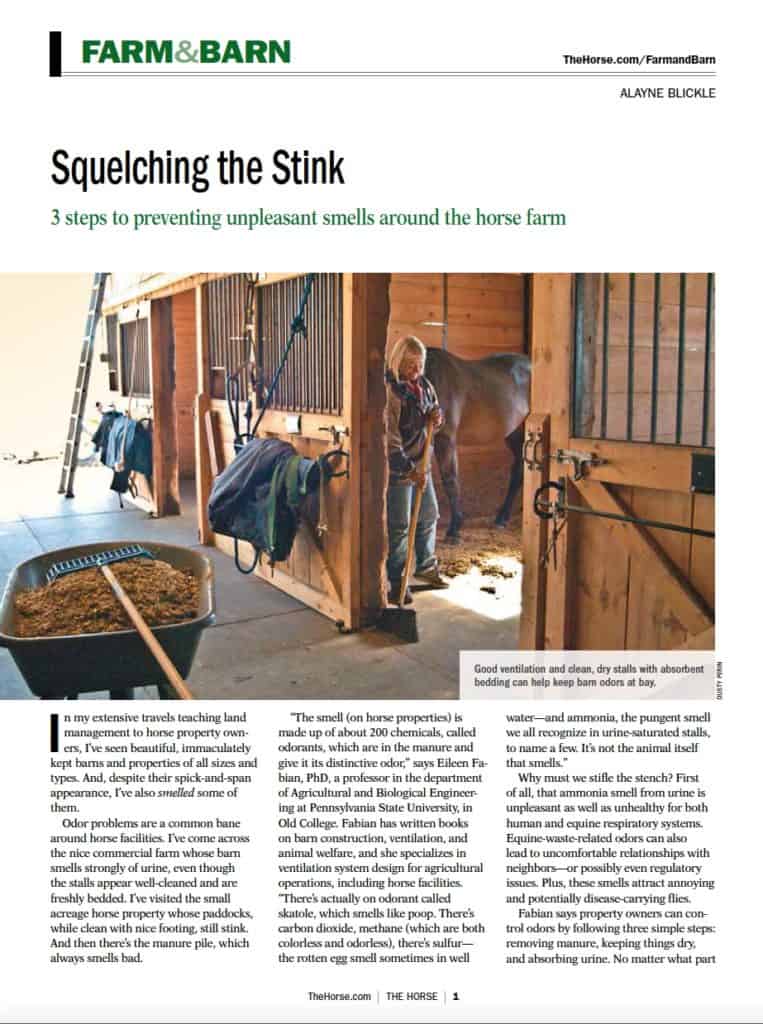
Use these simple, yet important, tips for preventing unpleasant smells on your horse farm.
Of the 268 respondents, 93 (35%) said their horses suffer from seasonal respiratory allergies.
The state Department of Agriculture is working with the equine industry and veterinarians to contain the diseases.

Of the 475 respondents, 76 (16%) said they’re concerned about the air quality in their horses’ barns.
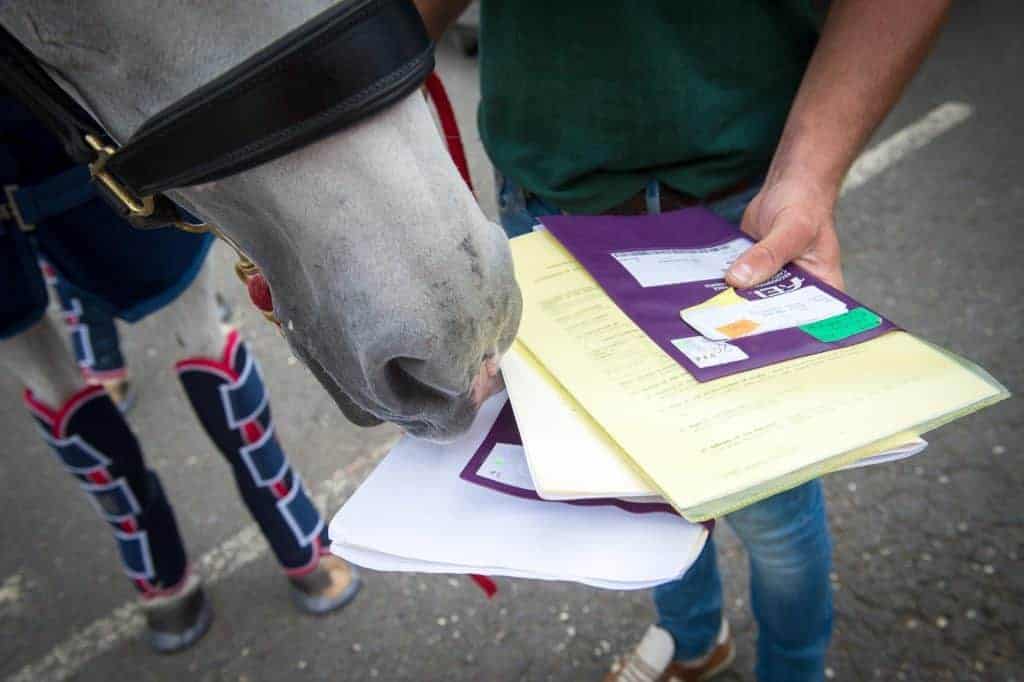
The OIE has described management “pillars” to keep most diseases at bay for high-health, high-performance horses.

Horses with noninfectious respiratory disease had much lower SAA concentrations than horses with infectious disease.

Dr. David Horohov, UK Gluck Equine Research Center director, gives a overview of vaccines and explains their importance.

Dusty arenas could be compromising your respiratory health, right along with your horse’s.

Researchers discuss equine rotavirus infection in foals, bacterial upper airway infections, and more.
Lecture topics will include performance-limiting upper airway issues, infectious respiratory diseases, EIPH, and more.
Confirmed diseases include equine herpesvirus, West Nile virus, African horse sickness, strangles, influenza, and more.
Officials believe some horses have contracted strangles. Testing is underway to confirm the diagnosis.