Sport Horse Skin Issues
Horse show environments can put sport horses at risk for developing skin problems. Learn what causes common skin issues and how to return horses to top form.

Horse show environments can put sport horses at risk for developing skin problems. Learn what causes common skin issues and how to return horses to top form.

Look for educational information about equine skin infections all week on TheHorse.com.

Learn about the 4 stages of wound repair and the steps you can take to help your horse’s wounds heal.

Dr. Aja Harvey explains why a horse might rub his tail and what owners can do to stop it.

Scratches, also known as pastern dermatitis, is a multifactorial infection commonly seen on a horse’s lower legs. Get tips for recognizing and managing this condition in our visual guide.

This omega fatty acid supplement helped two horses with different pain points maintain healthy skin and hair coats.

Hives in horses presents as localized, raised bumps on the skin, and they can vary in number, severity, and frequency of occurrence. Here’s what you should know.

Lumps, bumps, coughs, wheals, and wheezes: a basic overview of equine allergies.

Equine pastern dermatitis is a potentially painful condition that can spread between horses if not treated properly.
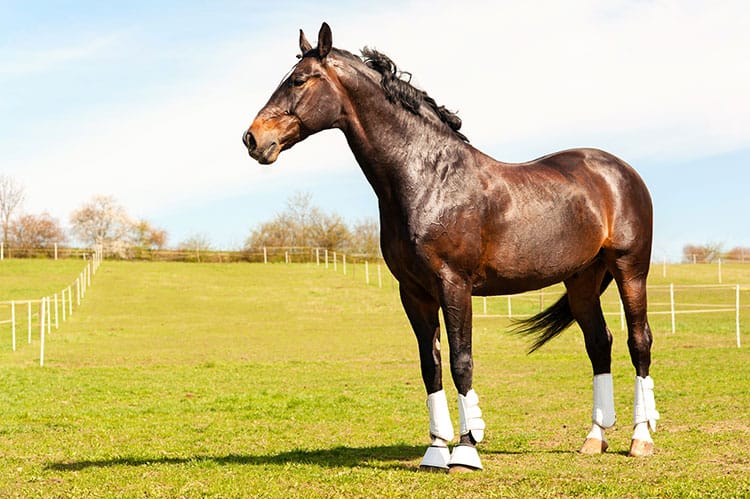
Boots and wraps might help prevent scratches, but only when used properly and with other management techniques.
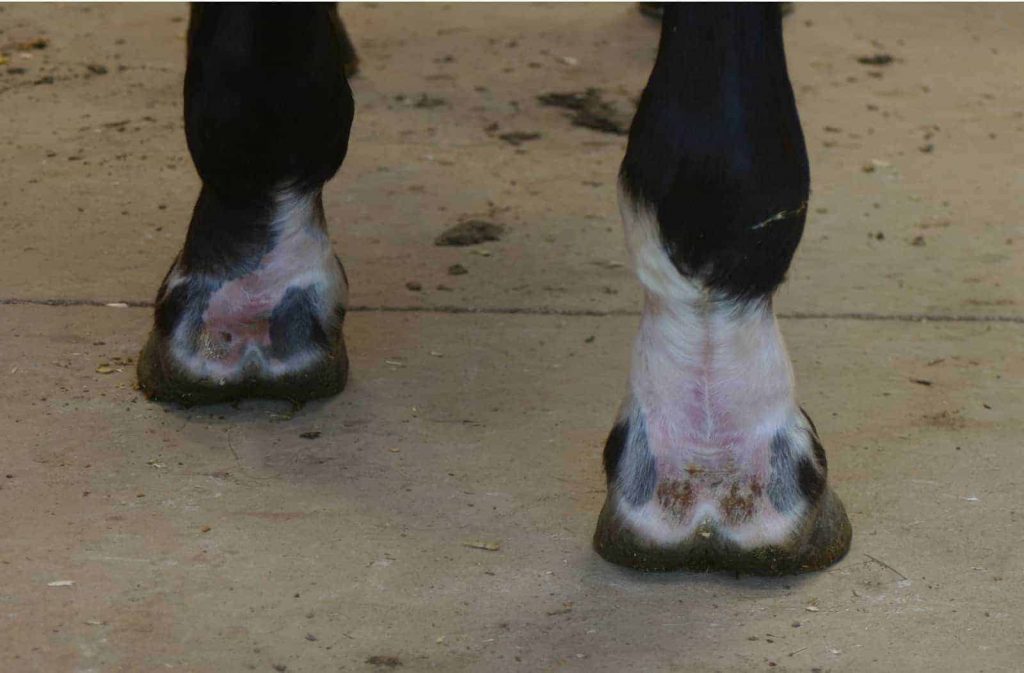
Look for educational information about scratches in horses on TheHorse.com.

Learn how to control this rapidly progressive infection within the horse’s subcutaneous skin layer.
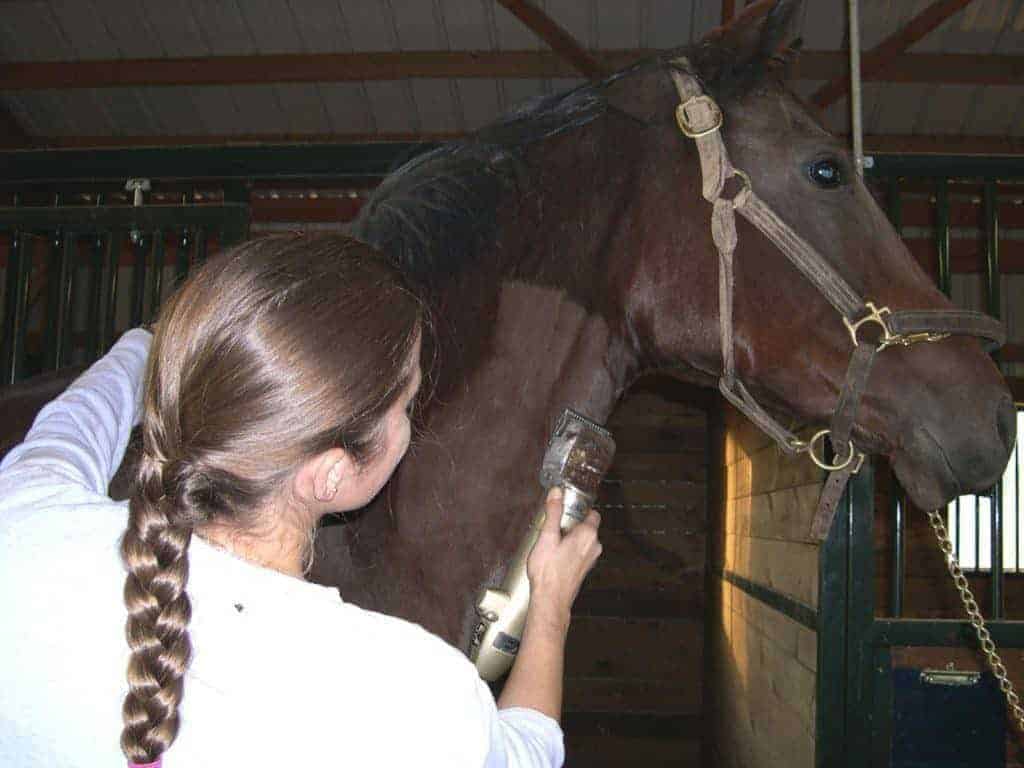
A veterinarian offers tips to keep horses with sensitive skin comfortable when clipped.

The guidelines can help veterinarians make a diagnosis, recognize clinical signs and risk factors, and provide treatment.

Stephen White, DVM, Dipl. ACVD, shares some lesser-known facts about equine dermatology.

Differentiating between ringworm and other skin conditions is important when determining treatment.