One bill sponsor said the legislation is designed to protect horses while keeping the U.S. food supply safe.

The bill would protect the feral horses and place them under Maricopa County Sheriff’s Department and USFS jurisdiction.
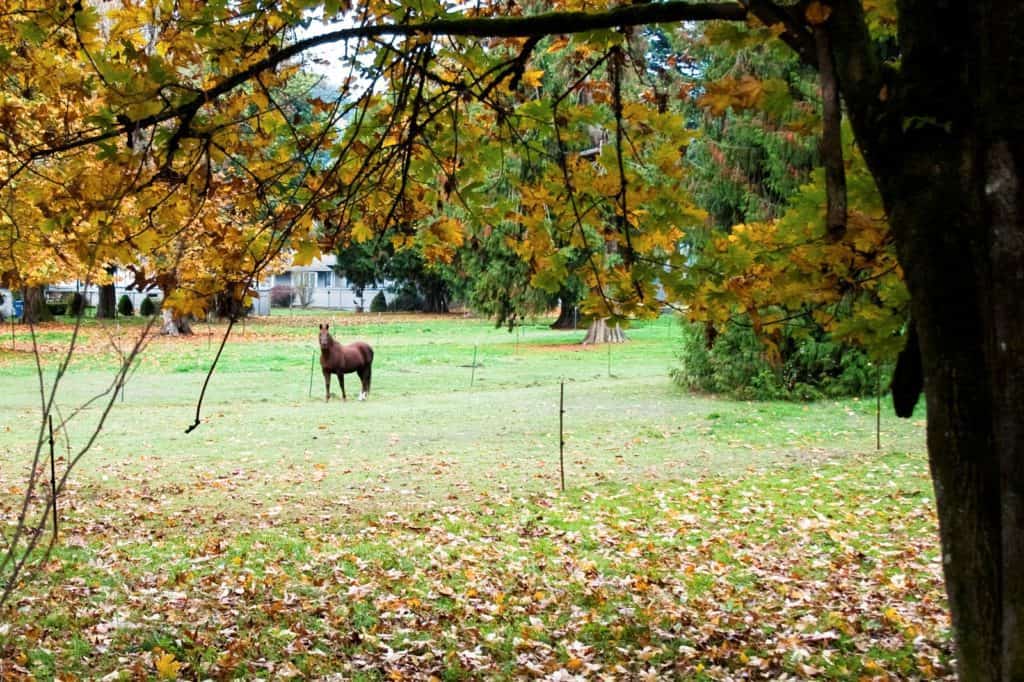
Hypoglycin A is the toxin behind the potentially deadly muscular disease atypical myopathy.

Having trouble interpreting taxspeak as it applies to the horse industry? Read on.
Research topics include musculoskeletal and respiratory issues, parasites on stud farms, early pregnancy loss, and more.

Some trees can kill horses, and horses can kill trees. Here’s what you need to know.

Here are some spring-cleaning tasks and tips from our Facebook fans, as well as reference articles to help you get started.
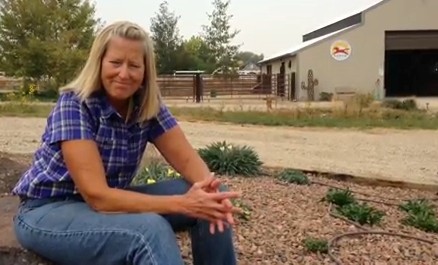
Horses for Clean Water’s Alayne Blickle shares the reasons she uses low-water, native plants to landscape her horse farm.

Researchers recently investigated factors that impact prices paid for 2-year-old Thoroughbreds sold at undertack sales.

The fatality rate at Aqueduct Racetrack, Belmont Park, and Saratoga Race Course in 2015 was 1.1 per 1,000 starts.

No doubt about it, horse ownership is a big responsibility. Here’s a look at the basics of what every horse needs.

The fatality rate of 1.62 per 1,000 starts is the lowest since the Equine Injury Database started publishing statistics.

Of the 441 respondents, 330 (75%) said they work full time but still find time to ride and care for their horses.

Learn how to make changes around the barn to reduce horses’ likelihood of developing respiratory disease.
Research topics include EHV-1 latency, foal pneumonia, training and surface factors in preventing injury, and more.