Shoeing Horses for Their Riding Discipline
How farriers trim and shoe horses for their unique biomechanics, discipline, and riding surface.

How farriers trim and shoe horses for their unique biomechanics, discipline, and riding surface.

Check off these 8 important tasks before the colder weather arrives.

Two veterinarians passionate about hoof care share how to identify and manage common hoof stressors in horses.

What is good-quality sleep, and how much do horses need? Researchers offer advice on helping horses get enough sleep.
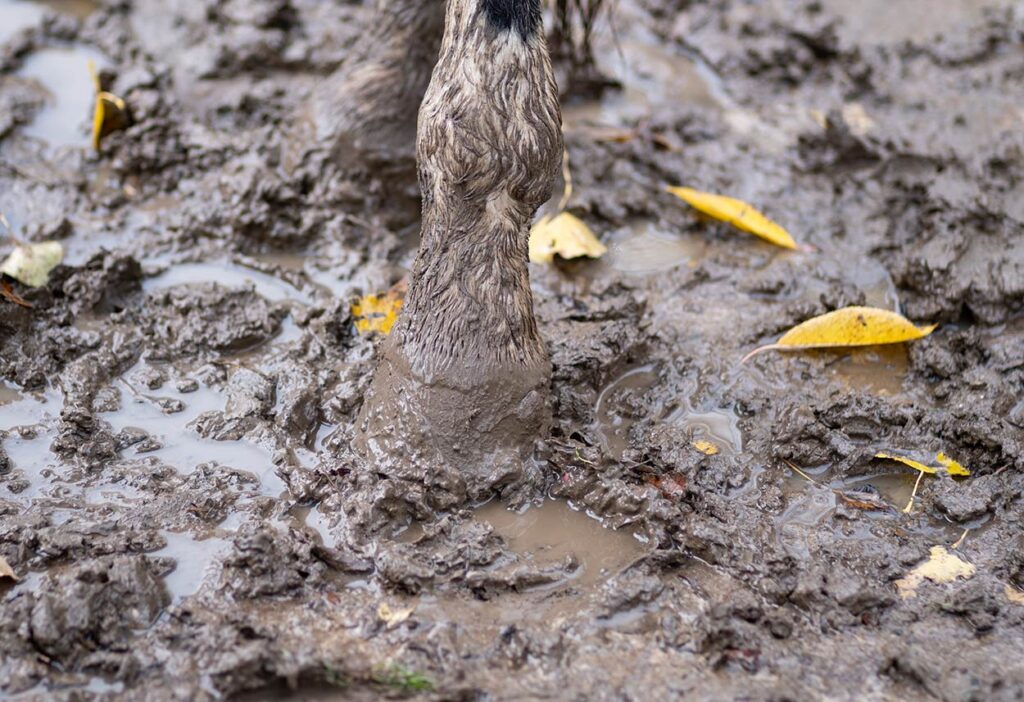
As the seasons change, so do the strategies we use to manage horses’ hooves.

Veterinarians and farriers emphasize individualized maintenance for preventing lameness and promoting long-term horse soundness.

The footing under your horse’s feet can affect his overall soundness. Find out what scientists know about footing and its connection to lameness and other health issues.
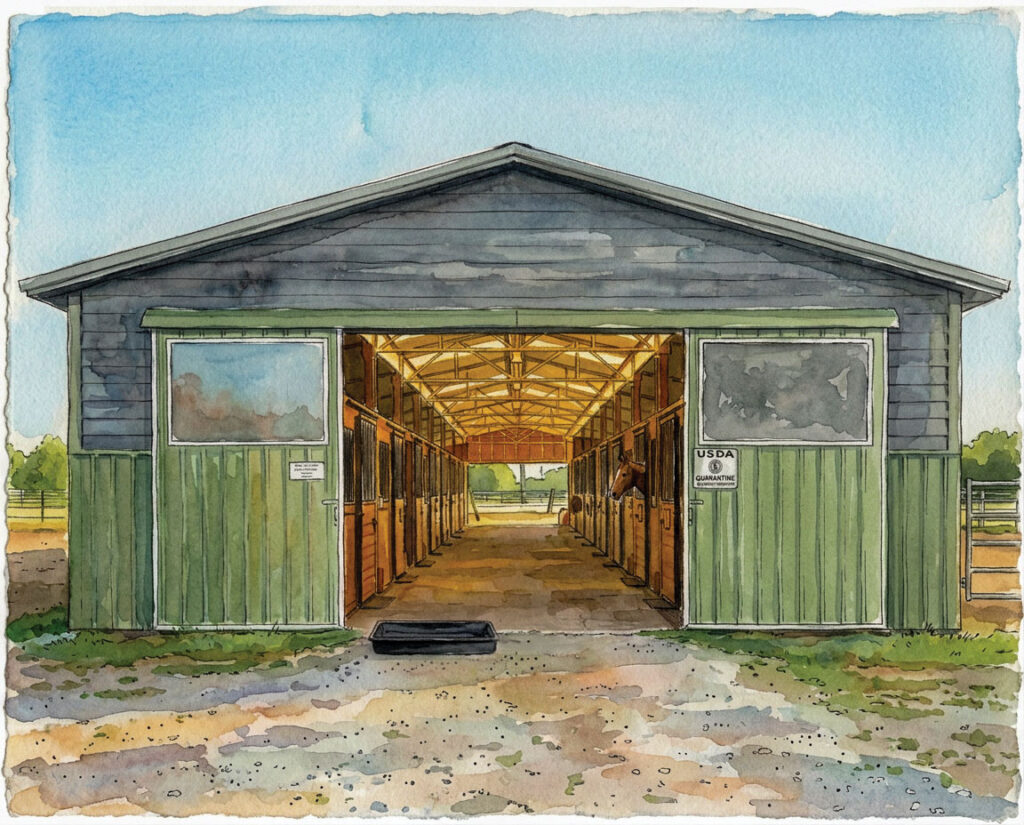
Preparing ahead of time and acting promptly when an outbreak occurs can help limit the spread of infectious disease in horses. Read more in The Horse‘s Summer 2026 issue.

An equine sports medicine specialist shares how footing can impact soundness and offers footing selection advice.

Biosecurity measures remain a critical component to combating ‘strep throat for horses.’

Summer sores can worsen rapidly without prompt treatment. Find out how to prevent these lesions and learn about methods veterinarians use to address them.

Learn how to store hay and grain properly—keeping nutrients in and mold, rodents, and spoilage out.

Varying the surfaces on which you exercise your horse can help produce a strong, well-rounded equine athlete.
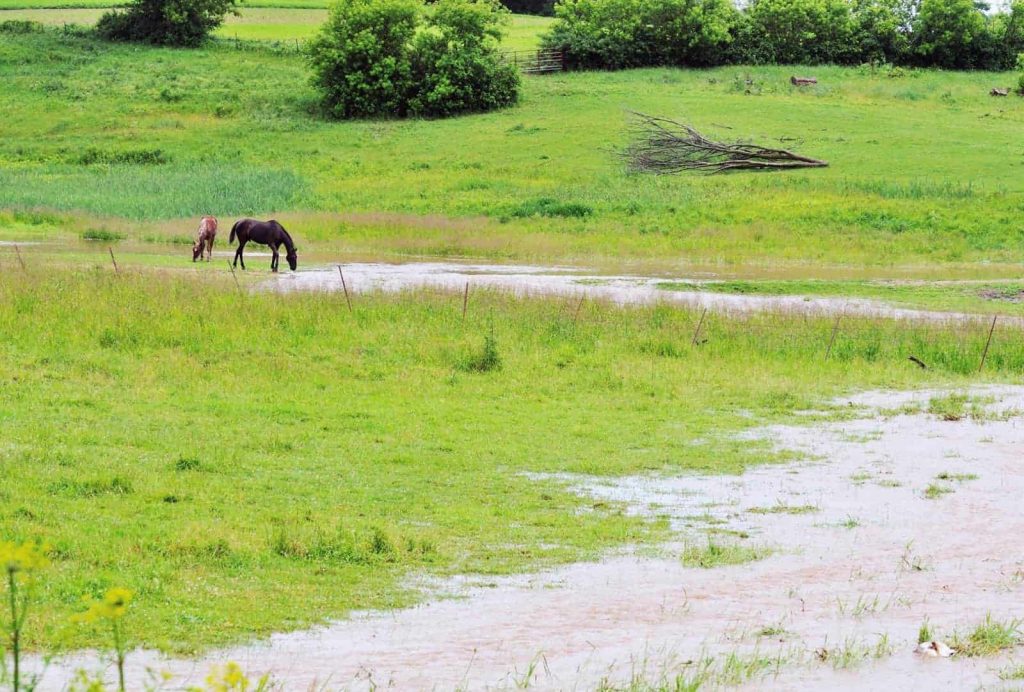
These practical strategies can help property owners manage runoff, reduce mud, and avoid common horse health issues in wet, flood-prone conditions.

Moisture meters can help you determine when to bale and store your horses’ hay and can protect against barn or storage building fires.
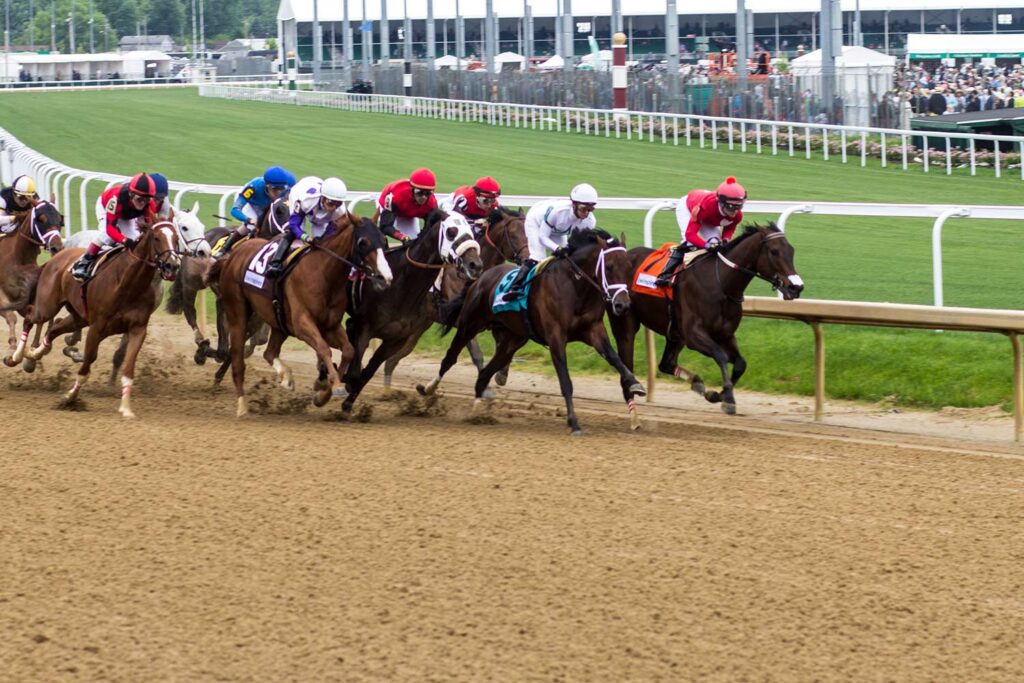
Standardized, multilevel surface testing is helping racetracks improve consistency, fairness, and ultimately horse and rider safety.