Convention Highlights, Research, Learning
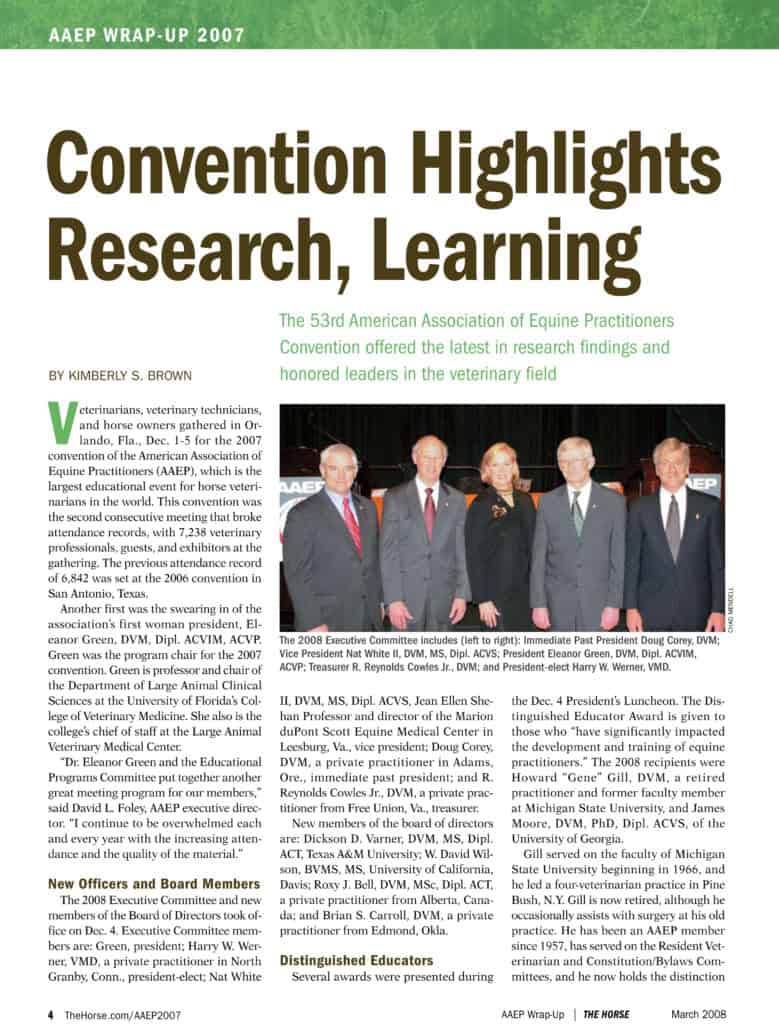
The 53rd American Association of Equine Practitioners Convention, held in Orlando, Fla., Dec. 1-5 of 2007, offered the latest in research findings and honored leaders in the veterinary field.

The 53rd American Association of Equine Practitioners Convention, held in Orlando, Fla., Dec. 1-5 of 2007, offered the latest in research findings and honored leaders in the veterinary field.

Dickson Varner, DVM, MS, Dipl. ACT lectured on the topic “From a Sperm’s Eye View – Revisiting our Perception of this Intriguing Cell” during the Milne State-of-the-Art Lecture at the 2007 AAEP Convention. Other presenters discussed perinatology, risks associated with reproduction, foal adoption, interpreting endometrial edema, and paraphimosis in the stallion among other topics.
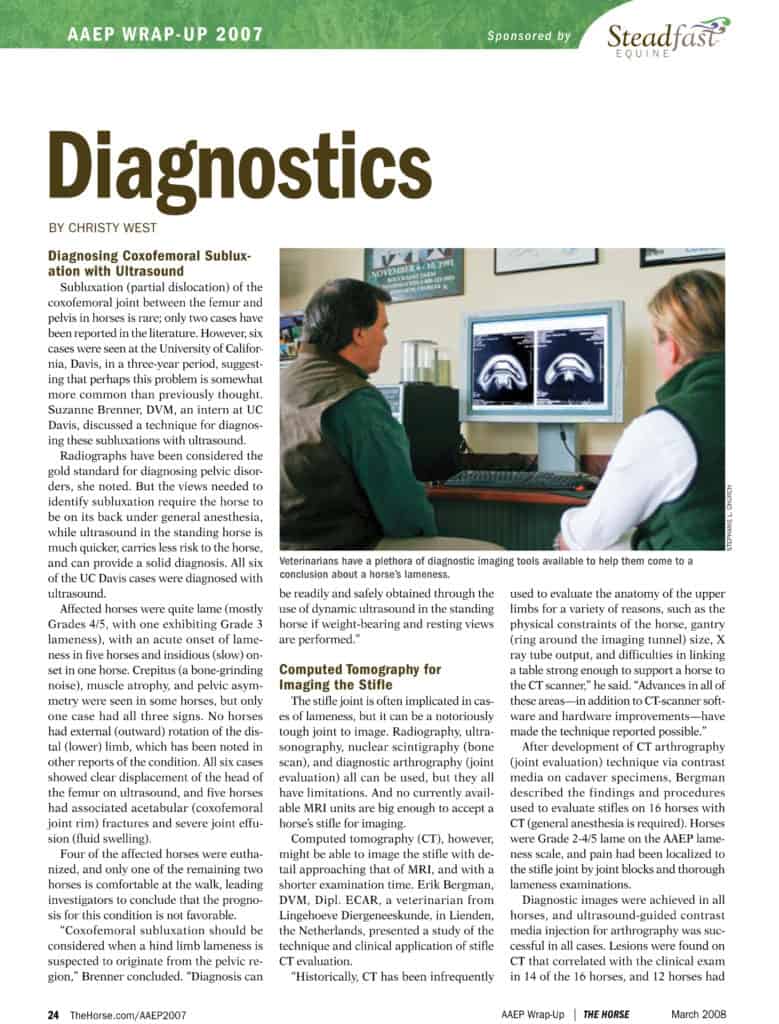
Equine experts at the 2007 AAEP Convention discussed numerous diagnostic topics, including ultrasound, computed tomography for imaging the stifle, digital flexor tendon sheath nerve blocks, upper cannon area injuries, MRI for diagnosing sesamoidean ligament desmitis, radiograph repositories and quality, and airway exam results among other topics.
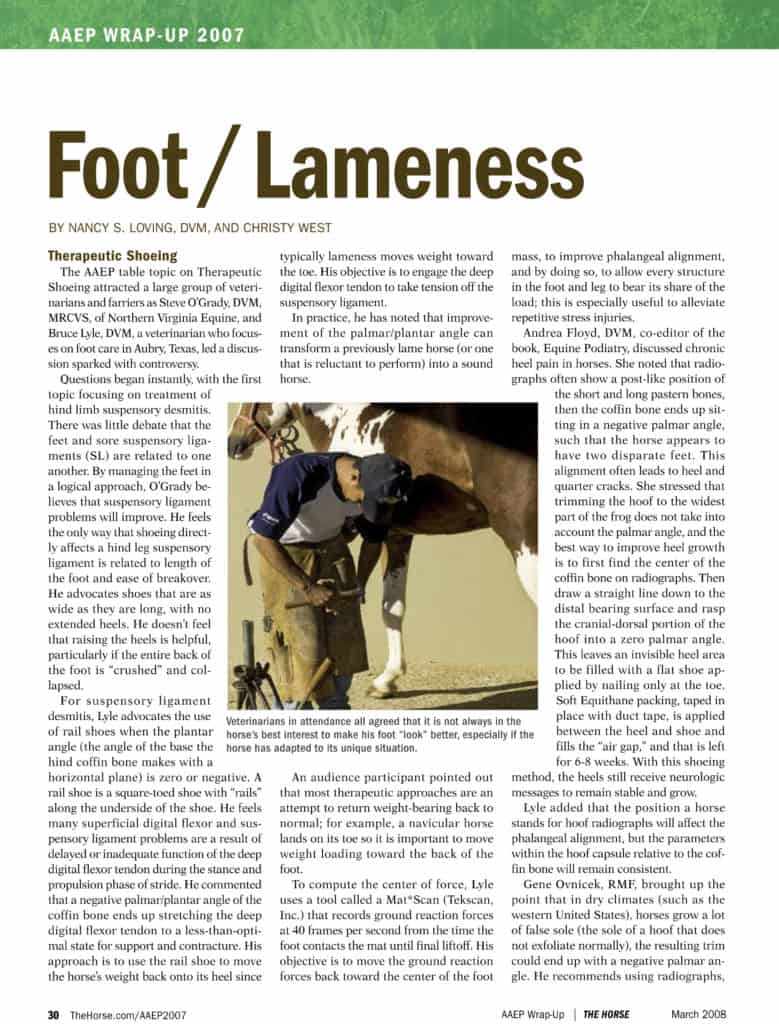
Equine authorities at the 2007 AAEP Convention discussed multiple topics relating to lameness in horses, including therapeutic shoeing, managing acute/chronic laminitis, wooden shoes, and stem cell therapy, as well as specific topics such as palmar process fractures of the coffin bone, nuclear scintigraphy, cannon bone stress fractures, and enostosis-like lesions.
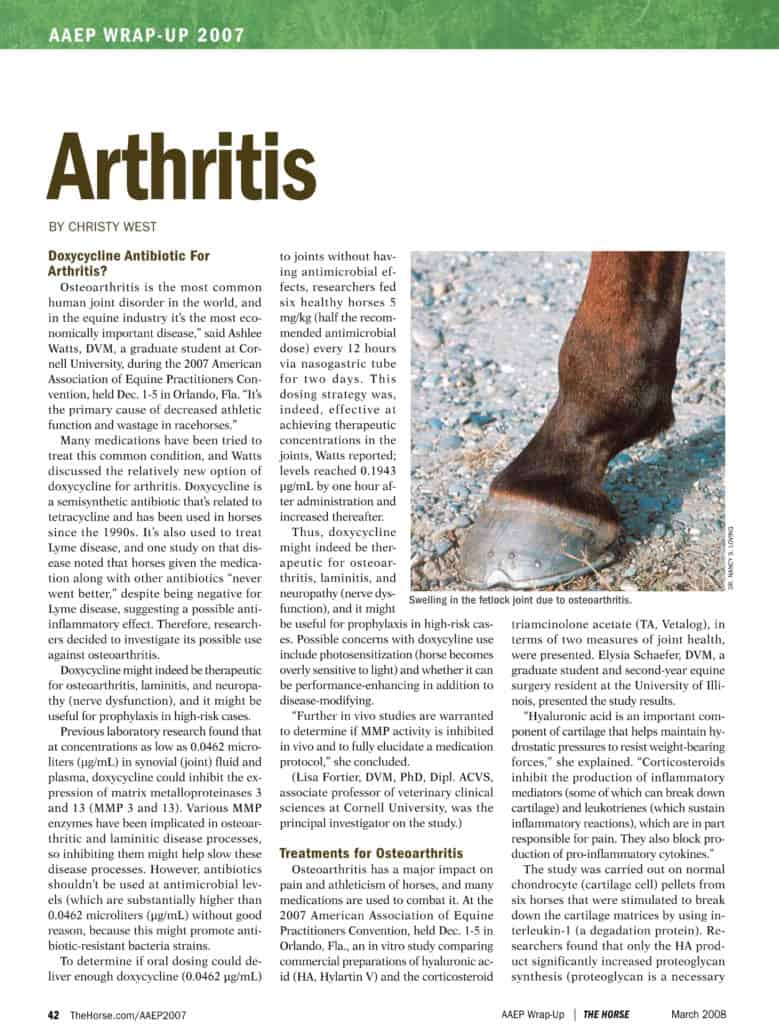
Treatments for osteoarthritis in horses, including the doxycycline antibiotic and the nutraceutical Myristol, were discussed at the 2007 AAEP Convention. Also discussed were the clinical efficacy and joint health parameters of Surpass (topical liposomal diclofenac cream) compared to those of the commonly used oral non-steroidal anti-inflammatory medication phenylbutazone (Bute).

Experts at the 2007 American Association of Equine Practitioners Convention discussed multiple topics related to equine digestive health, including sand colic, post-surgery stapling, hindgut acidosis, risk factors for gastric ulcers in Thoroughbreds, and alfalfa’s effects on ulcer severity.
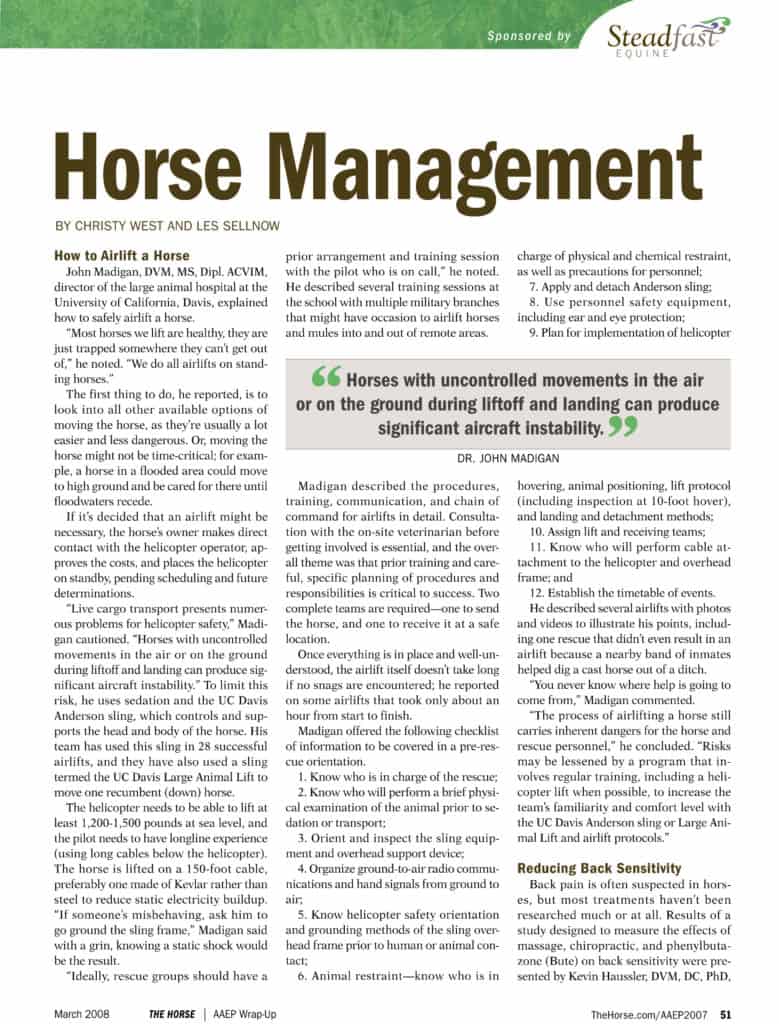
Strategies for safely airlifting horses were among several general management topics discussed at the 2007 American Association of Equine Practitioners Convention. Other topics included back sensitivity, poisoning, dentistry, acupuncture, and chiropractic care.
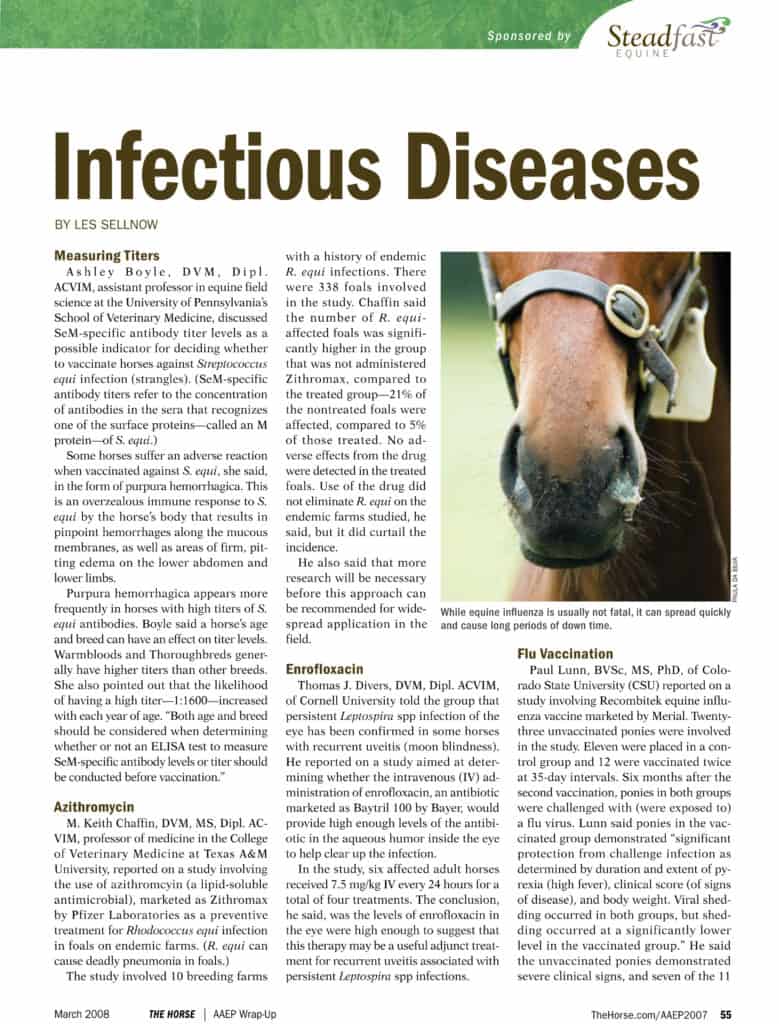
Equine authorities discussed numerous infectious disease topics and studies during the 2007 AAEP Convention, including antibody titer levels, azithromycin to help prevent Rhodococcus equi infection, enrofloxacin to treat Leptospira infection of the eye, influenza/West Nile virus vaccines, dentistry, and Lawsonia.
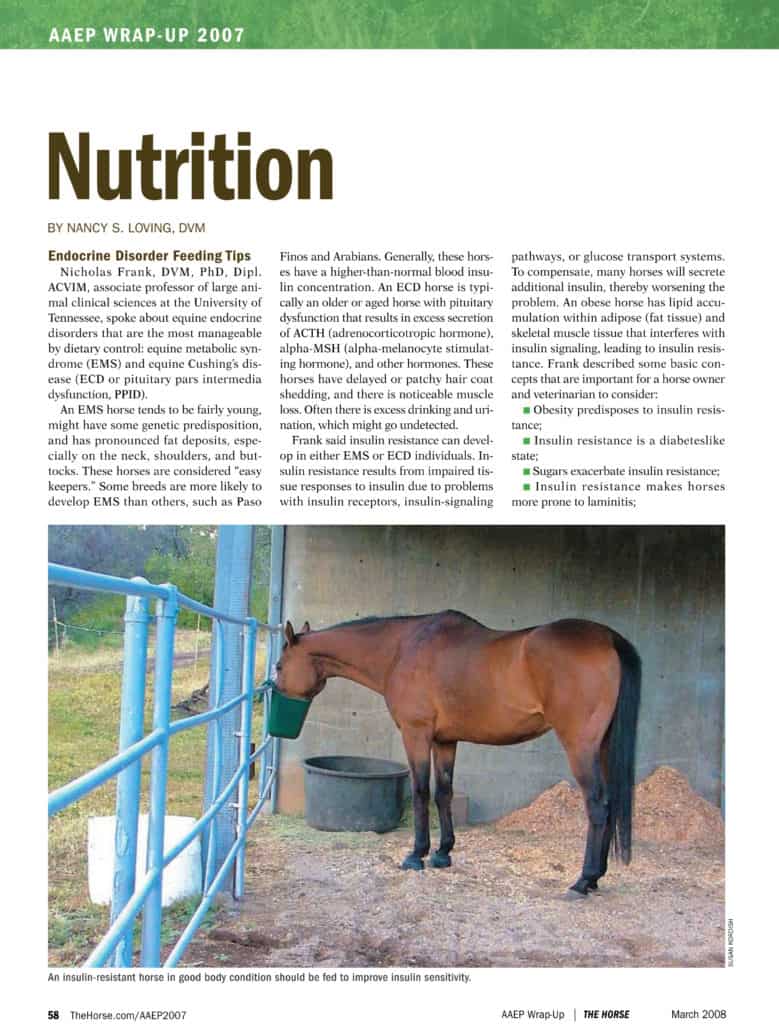
Nutrition topics from the 2007 American Association of Equine Practitioners Convention included endocrine disorders, feeding tips, feeding after colic, geriatric horse nutrition, and managing carbohydrates.
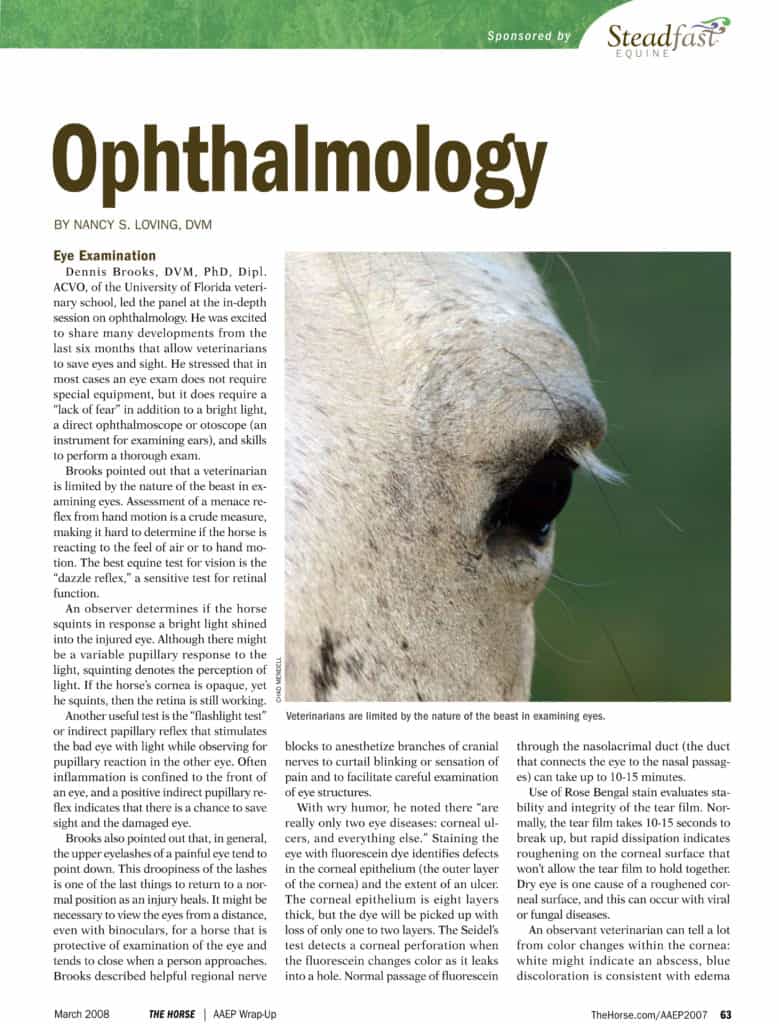
Equine eye health was among the many subjects discussed at the 2007 American Association of Equine Practitioners Convention. Ophthalmology topics included eye examinations, treating uveitis (the leading cause of blindness in horses), and corneal ulcers.

Following the euthanasia of the filly Eight Belles, who suffered catastrophic injuries to both front legs a quarter mile after finishing second in the Kentucky Derby, members of every sector of the Thoroughbred industry have banded together to proactively address safety and welfare issues. TheHorse.com is proud to present a FREE downloadable special report on catastrophic injury research.

If your horses get loose or need to be identified in case of disaster, having this information on your horse can make your life and any rescuers’ jobs much easier.

The harder a horse works, the more oxygen it needs and the more air it must move into and out of the lungs. Understanding how the horse’s respiratory system works can help horse owners recognize problems and/or manage horses to prevent them.
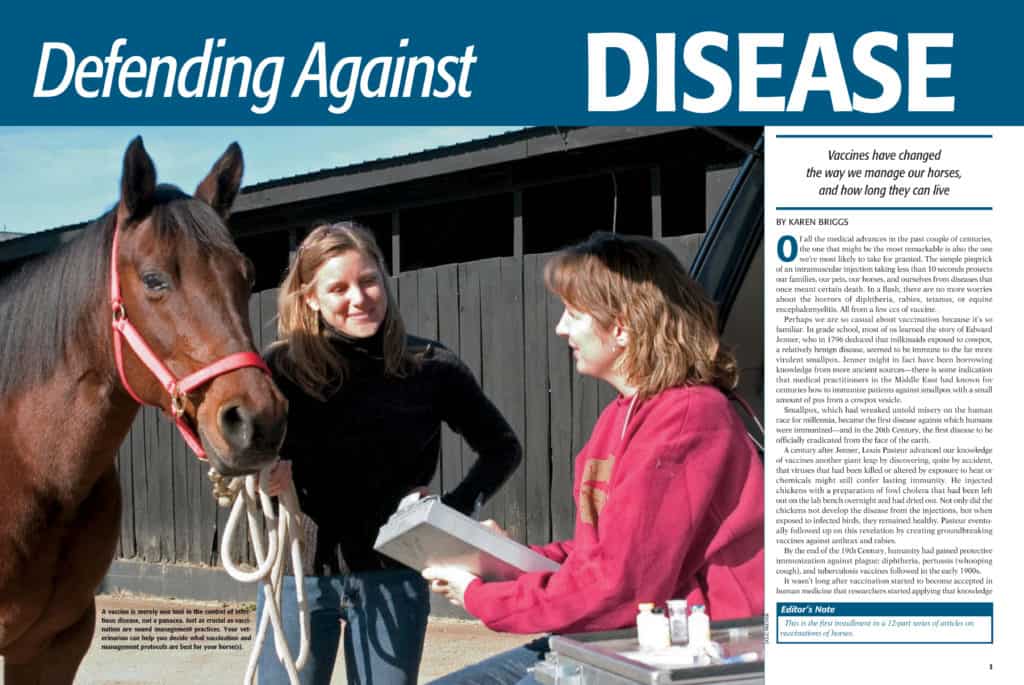
The idea of a vaccine is to get the immune system to mount a response against a pathogenic invader while saving the horse from suffering disease symptoms that at best are uncomfortable and inconvenient, and at worst are fatal.
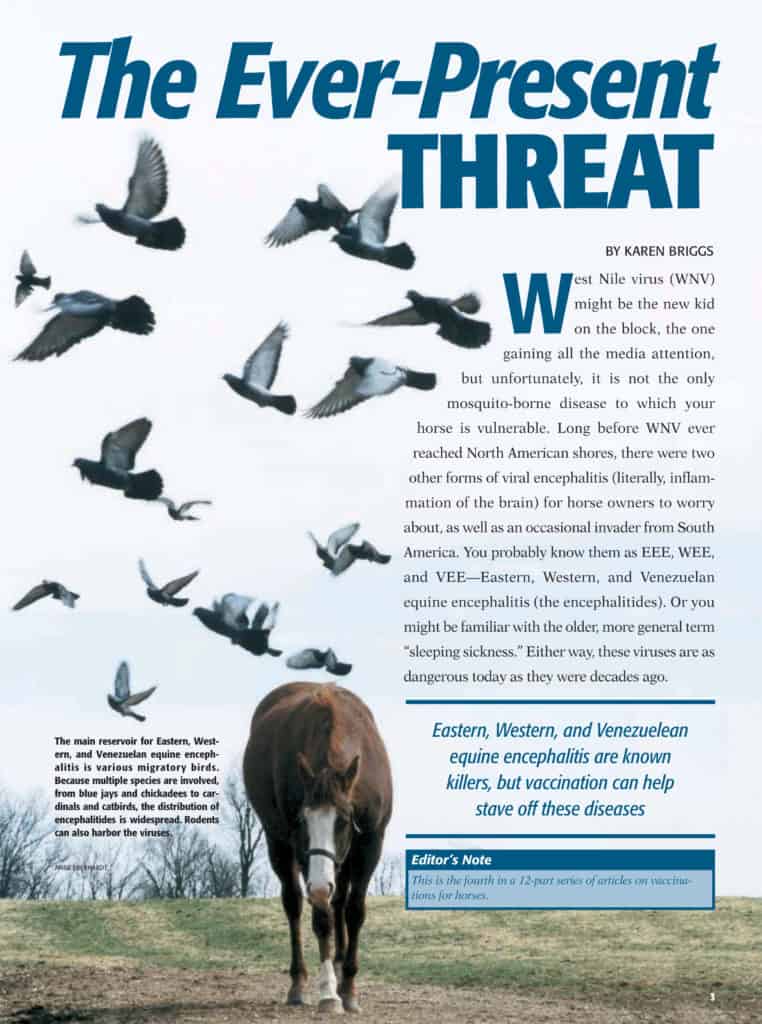
Before WNV reached North American shores, there were two other forms of viral encephalitis for horse owners to worry about. Eastern, Western and Venezuelan equine encephalitis are killers, but vaccination can help stave off these neurologic diseases.
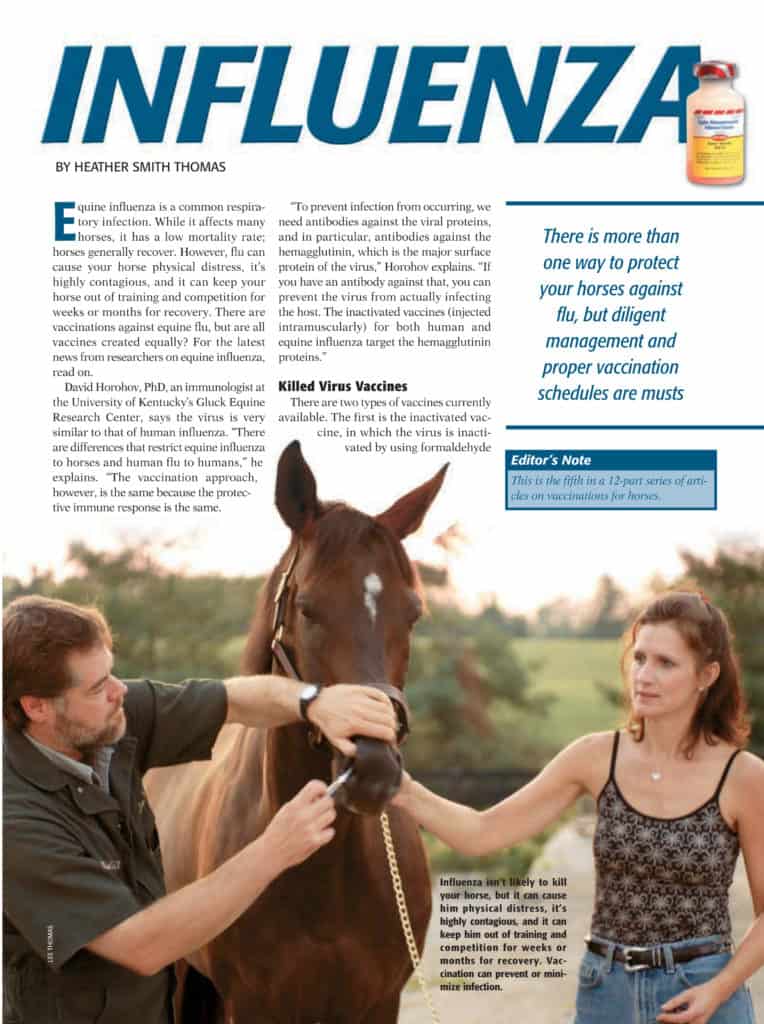
Equine influenza is a common respiratory infection. There are vaccinations against equine flu, but are all vaccines created equally? For the latest news from researchers on equine influenza, read on.