How the Horse’s Intestinal Microbiome Works
For any horse with appetite, appearance, or attitude issues, start by addressing the microbiome.

For any horse with appetite, appearance, or attitude issues, start by addressing the microbiome.

Does alfalfa make horses “hot”? Should they not eat before exercising? Many of our feeding practices are based on tradition, but what’s really best for our horses?

4 key factors contribute to a leaky gut: diet, environment, performance, and medications.

How do you choose between plain white salt blocks, red mineralized blocks, and rock salt on ropes? One nutritionist offers advice on adding salt in your horse’s diet

Three top sports medicine veterinarians say the best way to stay competitive is by developing a proactive approach to managing every aspect of your horse’s health and soundness.

N-acetylcysteine and coenzyme Q10 supplementation appears to increase natural antioxidant levels in horses’ skeletal muscles.
Senior horses with PPID need careful monitoring and preventive care because of equine Cushing’s effects on immunity, exercise tolerance, thermoregulation, and wound healing.
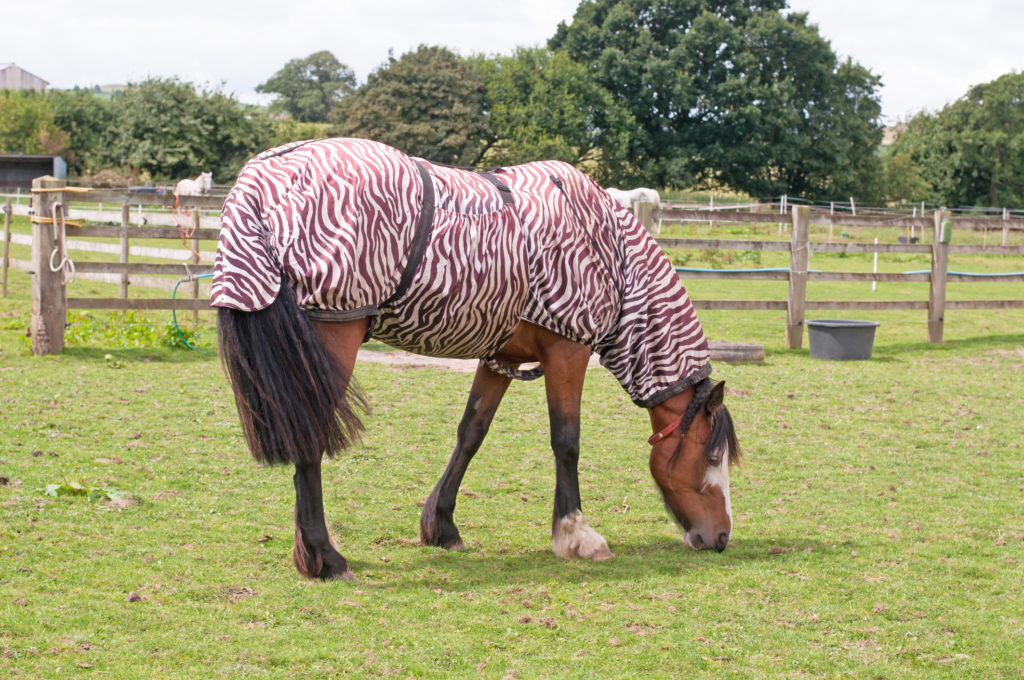
Help keep your horse healthy and get the most out of the coming months by increasing your understanding of—and watching for—five common health conditions seen during the summer.

Warm-season grasses, such as Bermuda and modified crabgrass, and early morning turnouts might be ideal for obese horses and those with metabolic issues.

We’ve compiled some of our best resources on these diets and what horses might benefit from them most. Sponsored by Hygain.

Younger age and lower body condition appear to protect horses against occasional spikes in nonstructural carbohydrate consumption.
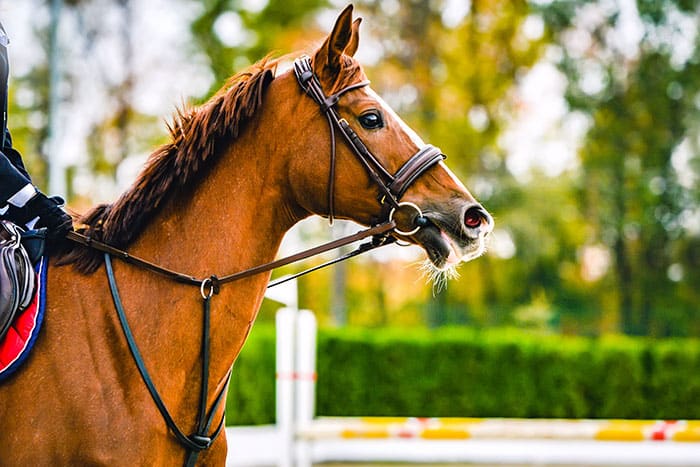
How diets high in starch can impact hindgut function and performance, potentially leading to problems with the ‘gut-brain axis.’
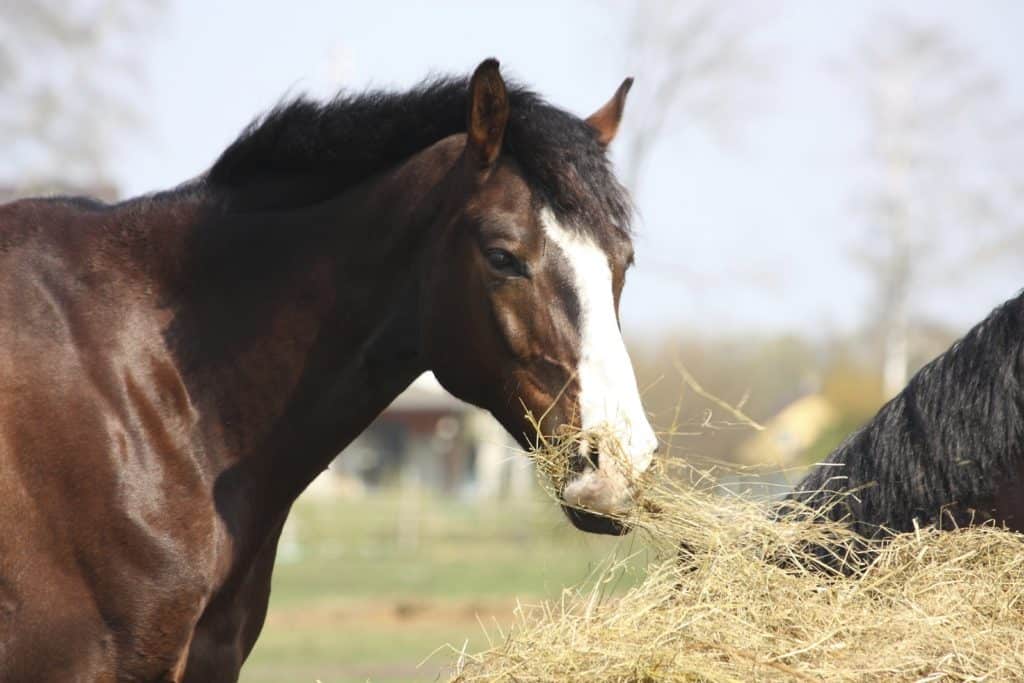
Consider these nutritional factors when formulating your horse’s diet to avoid GI issues such as equine squamous gastric disease.

While diet is not directly used to manage PPID, nutritional management goes a long way in helping support these horses.

A nutritionist offers ideas for getting a pre-Cushing’s horse to eat his supplements while maintaining his special diet.

Why do some horses wear muzzles, but others don’t? Does your horse need to wear a muzzle year-round? From proper fit to feeding, here’s what you need to know about these weight-loss contraptions.