Emergency 911: Horse Show Edition
Critical conditions such as colic, injuries, and dehydration can strike when you’re at a competition with your horse. Here’s how to handle them.

Critical conditions such as colic, injuries, and dehydration can strike when you’re at a competition with your horse. Here’s how to handle them.

Laminitis causes crippling lameness associated with intense pain that shortens horses’ athletic careers. Download this fact sheet to learn more about recognizing, treating, and preventing laminitis in horses.

A custom-fitted thermoplastic glue-on shoe, designed to support the frog, made study ponies at-risk for laminitis more comfortable within three days, researchers said.

Dr. Debra Taylor describes the visual exam of a healthy hoof and how horses’ feet can change in response to external factors.

Laminitis is a very common disease in horses but is also preventable and can be treatable if not detected too late.

Practitioners must use clinical signs and laboratory testing to distinguish between these sometimes similar ailments.

Years ago, vets relied on clinical signs to diagnose PPID. Find out how the disease is diagnosed now.

Once the biomarkers identified in this study are confirmed through more tests and larger samples, scientists might be able to develop treatments to prevent chronic pain, researchers said.

Researchers confirmed some suspected patterns in PPID clinical signs and identified others they considered surprising.

The earlier you can detect endocrine conditions such as PPID and EMS, the better chance you have of preventing associated laminitis in affected horses.

This suggests old horses need an appropriate diet and management plan to help minimize the risks associated with insulin dysregulation, such as laminitis.
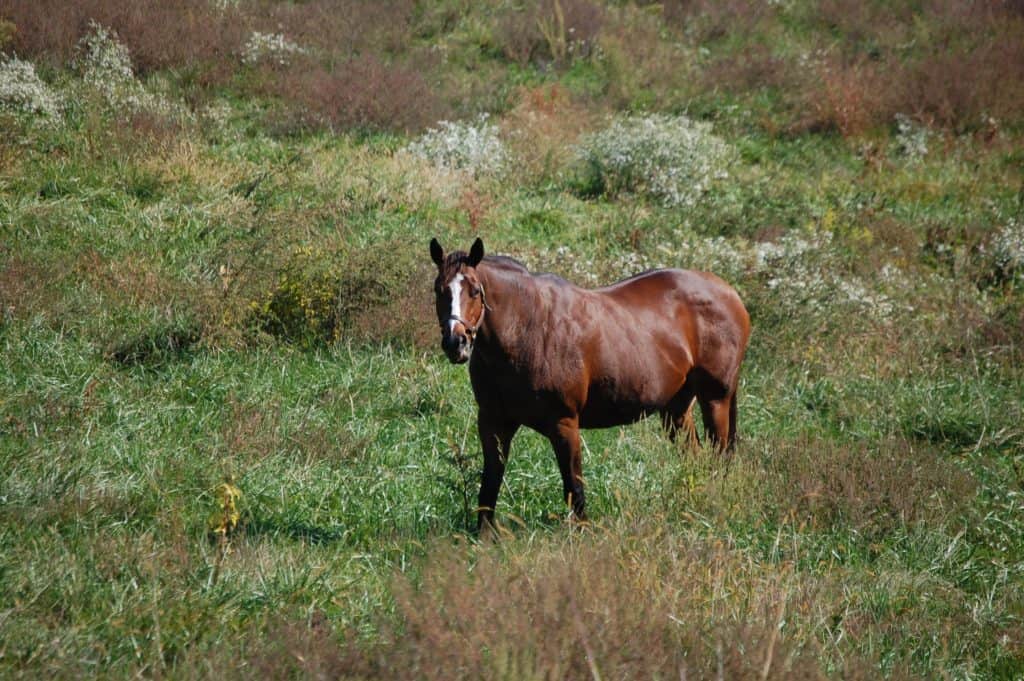
Consider these dietary changes to help reduce the laminitis risk and discuss with your veterinarian whether certain medications could help your horse.
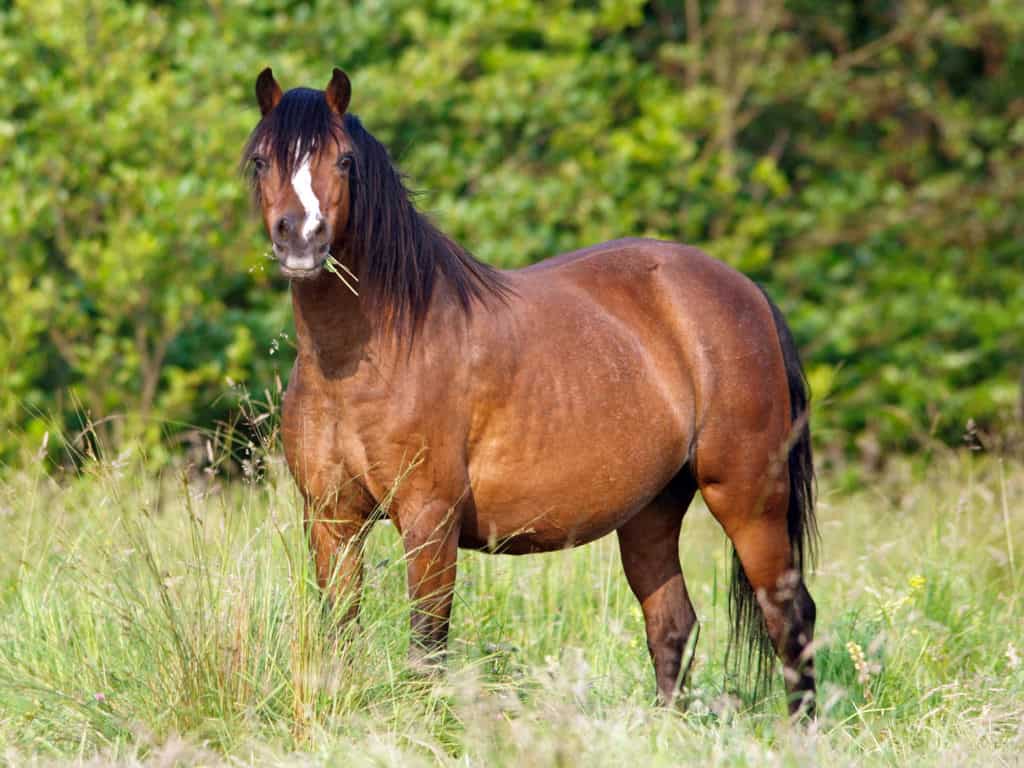
Researchers are working to help owners find ways to help their horses lose weight no matter their circumstances–from boarding facility set up issues to unsound horses that can’t be exercised.

Drs. Peter Morresey and James McLeod share regenerative medicine insights from clinical and research perspectives.
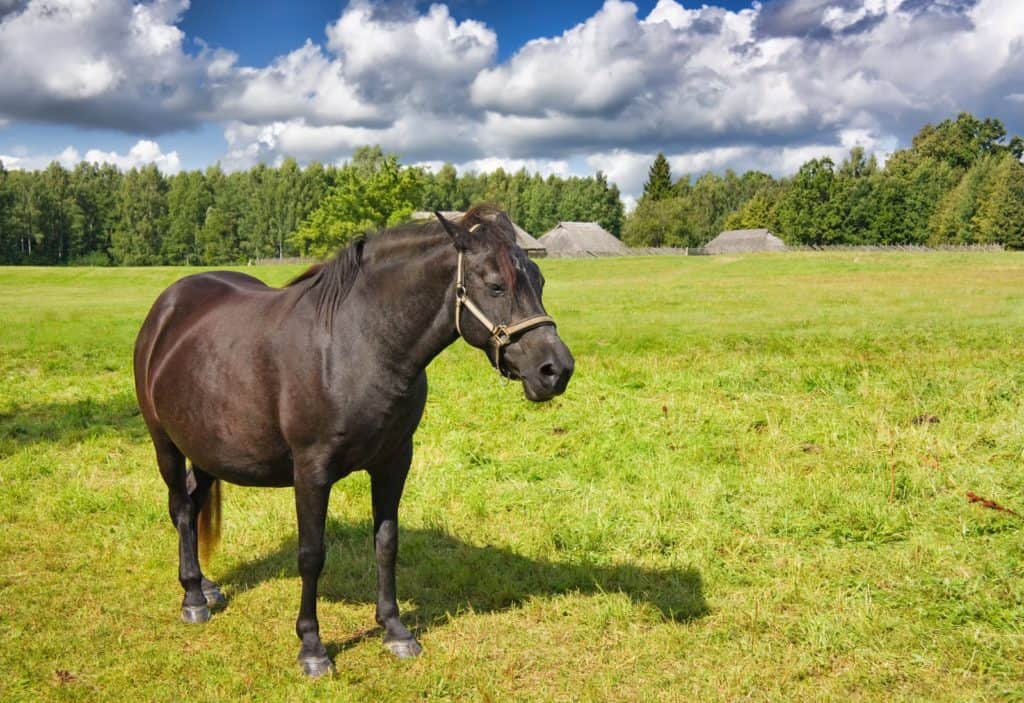
Researchers identified a link between glucose and insulin concentrations (measured using an oral glucose test) and risk and onset of laminitis.

Do horses with PPID, EMS, and/or IR have a greater laminitis risk after receiving joint injections? Drs. Vern Dryden and Amanda Adams respond.