Equine Lameness: Clinical Judgment Meets Diagnostic Imaging
Veterinarians have tools to help them make educated judgments about lamenesses, their causes, and prognoses.

Veterinarians have tools to help them make educated judgments about lamenesses, their causes, and prognoses.

Carol Clark, DVM, Dipl. ACVIM, shares her picks for the top equine medicine studies of 2013.

Vets have made great strides in EMS diagnosis and management, but there’s still much work to be done.

Learn about St Nicholas Abbey’s battle with a fracture that was ultimately ended by a severe bout of colic.
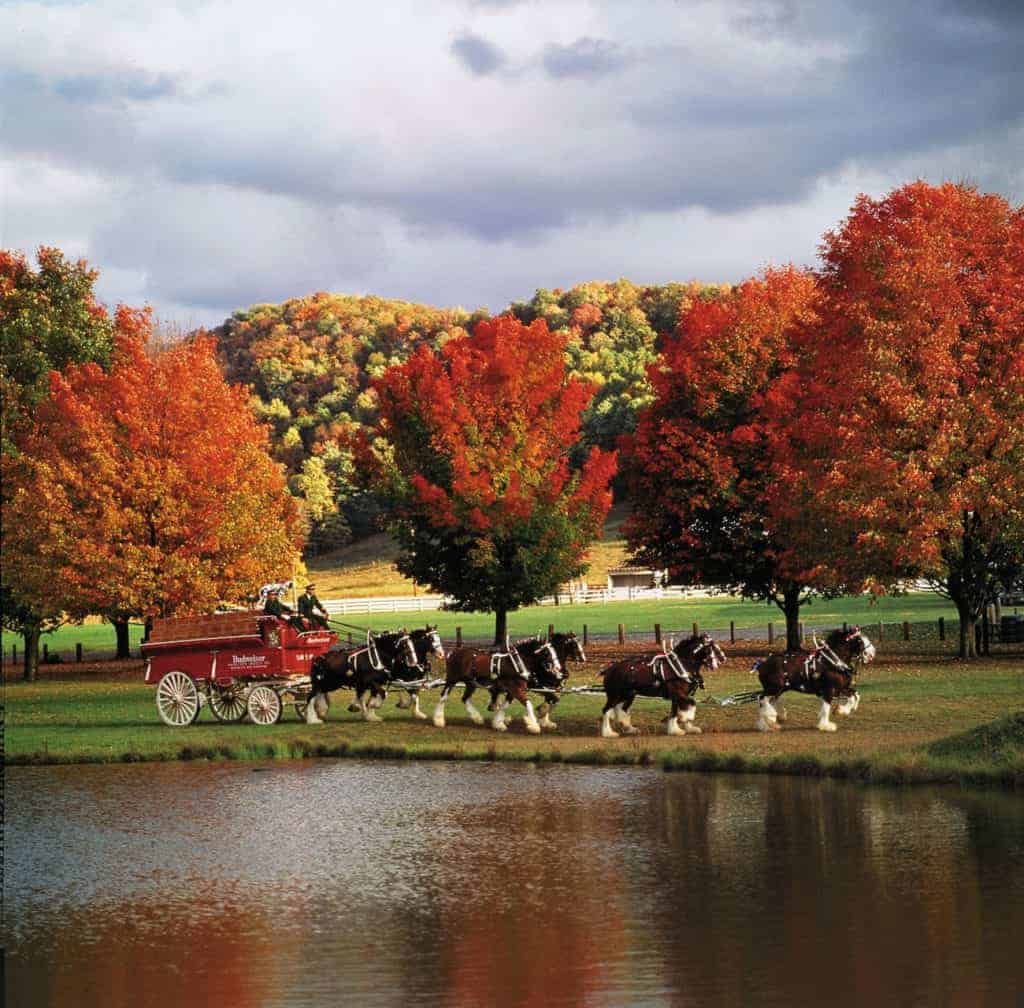
Caring for draft horses involves both physiological and logistical challenges.

EOTRH is a painful, recently identified condition that primarily affects horses’ incisors and canine teeth.

The 22-year-old Thoroughbred mare lost a long battle with laminitis and was euthanized Jan. 11.
Tailored hoof care and husbandry practices could help affected horses return to health.

Researchers are seeking veterinarians from around the world to participate in a laminitis study in 2014.

One farrier developed a program for rehabilitating horses recovering from EMS-associated laminitis.
The program includes lectures on feeding senior horses, saddle fitting, moon blindness, bandaging, and more.

Which were the most accessed videos, slideshows, reports, and podcasts in 2013? Here’s a list of the top 10.

The team of 3-D printing experts from Australia’s CSIRO worked with podiatrists to produce “horse-thotics.”
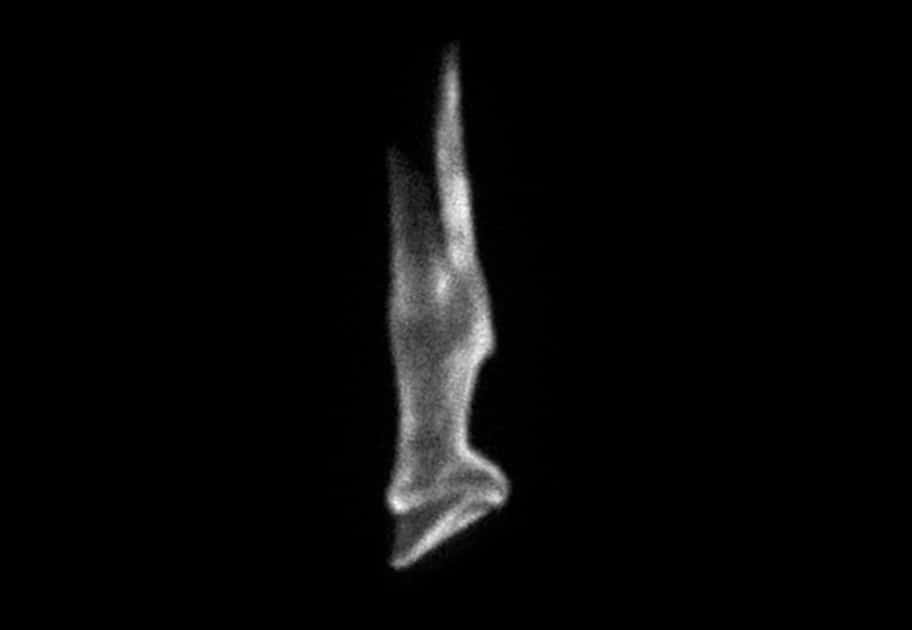
Intra-arterial injection is the “preferred” technique for administrating MSCs to the horse’s foot.

Researchers are studying whether stem cell therapy could help stabilize chronic laminitis cases.

Complicated laminitis cases carry a poor prognosis, but some have responded to treatment with foot casts.