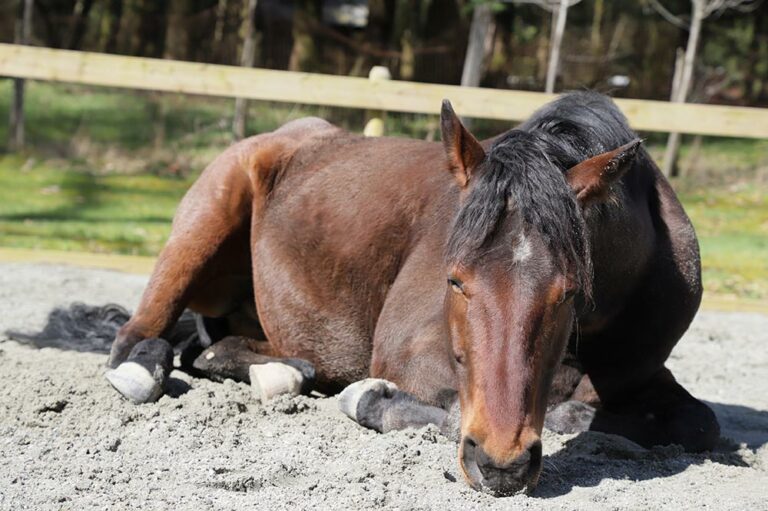
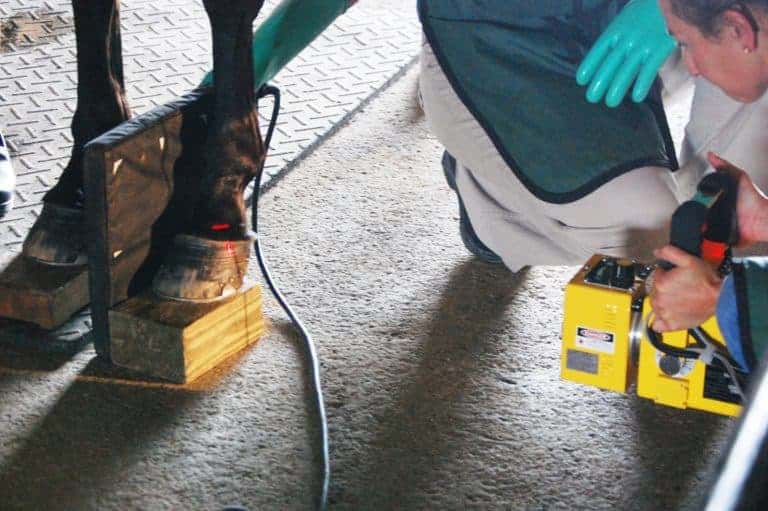
Nephrosplenic Entrapment Treatment, Recurrence, and Survival
Survival rates were high, and a surgical procedure could help prevent recurrence of this type of colic.

Survival rates were high, and a surgical procedure could help prevent recurrence of this type of colic.

Epiploic foramen entrapments and gastrosplenic ligament entrapments are similar, but have some key differences.

More than 50% of respondents said they feed grain, concentrates, complete feeds, or supplements twice each day.

Researchers found low detection rates in nasal secretions from horses with fever and signs of respiratory disease.

Learn what GI diseases to watch for, how veterinarians detect them, and how to avoid them in the first place.

There are a plethora of non-steroidal anti-inflammatory drugs for horses. Here’s how your vet decides what to use.
With multiple approaches to handling ileus, one vet thinks a firm definition of the condition could help outcomes.
Tweets and take-homes from the Milne lecture and sessions on colic, digestive health, pathology, and more.

Mok’s research suggests that threonine might not be a limiting amino acid in mature horses fed a typical diet.

Adding supplementary fibrolytic enzymes to horses’ diets could help maximize digestibility and nutrient utilization.

Hope Douglas, VMD, will discuss types of colic, as well as evaluation and treatment both in the field and in a hospital.

Work with your veterinarian or equine nutritionist to ensure your horse’s diet is balanced heading into the new year.
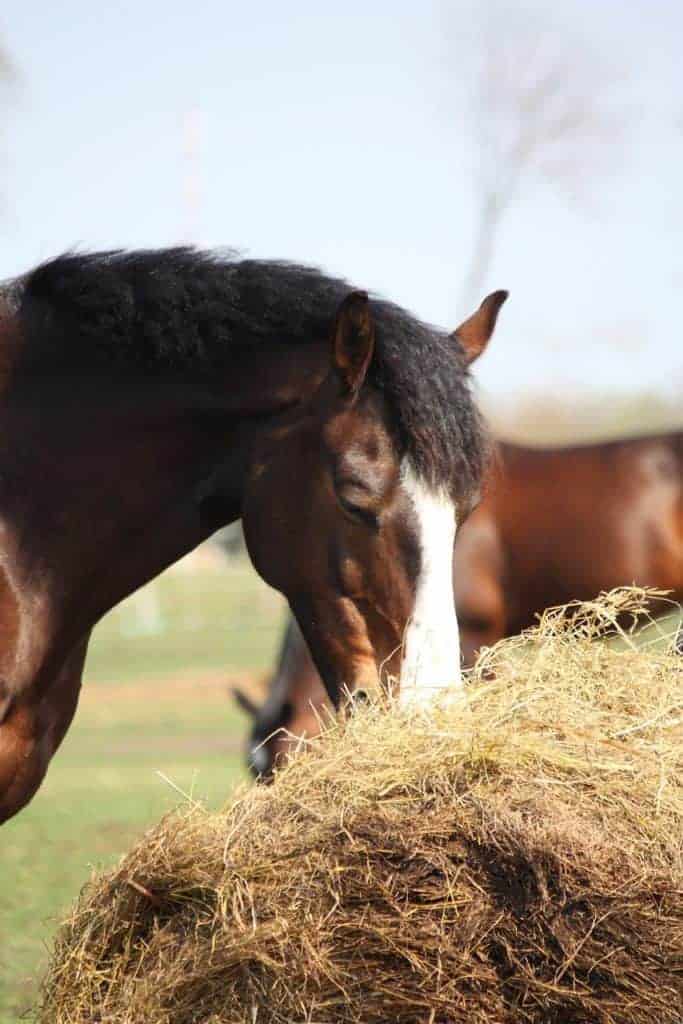
My stallion ate a piece of netting off a roll of hay. Will it pass through his system?
Lecture topics will include mare, stallion, and foal care; navicular syndrome; the digestive tract; and more.

Increased vigilant behavior was correlated with intestinal microbial disturbances induced by a high-starch diet.
The researchers are also seeking veterinarian and horse owner input for surveys on recognizing and diagnosing colic.