Grayson-Jockey Club Funds Equine Research in 2015
Study topics include laminitis, foal pneumonia, stem cells, endometritis, joint issues, insulin resistance, and more.

Study topics include laminitis, foal pneumonia, stem cells, endometritis, joint issues, insulin resistance, and more.

Researchers found that one supplement was not inferior to omeprazole in several areas in their study.
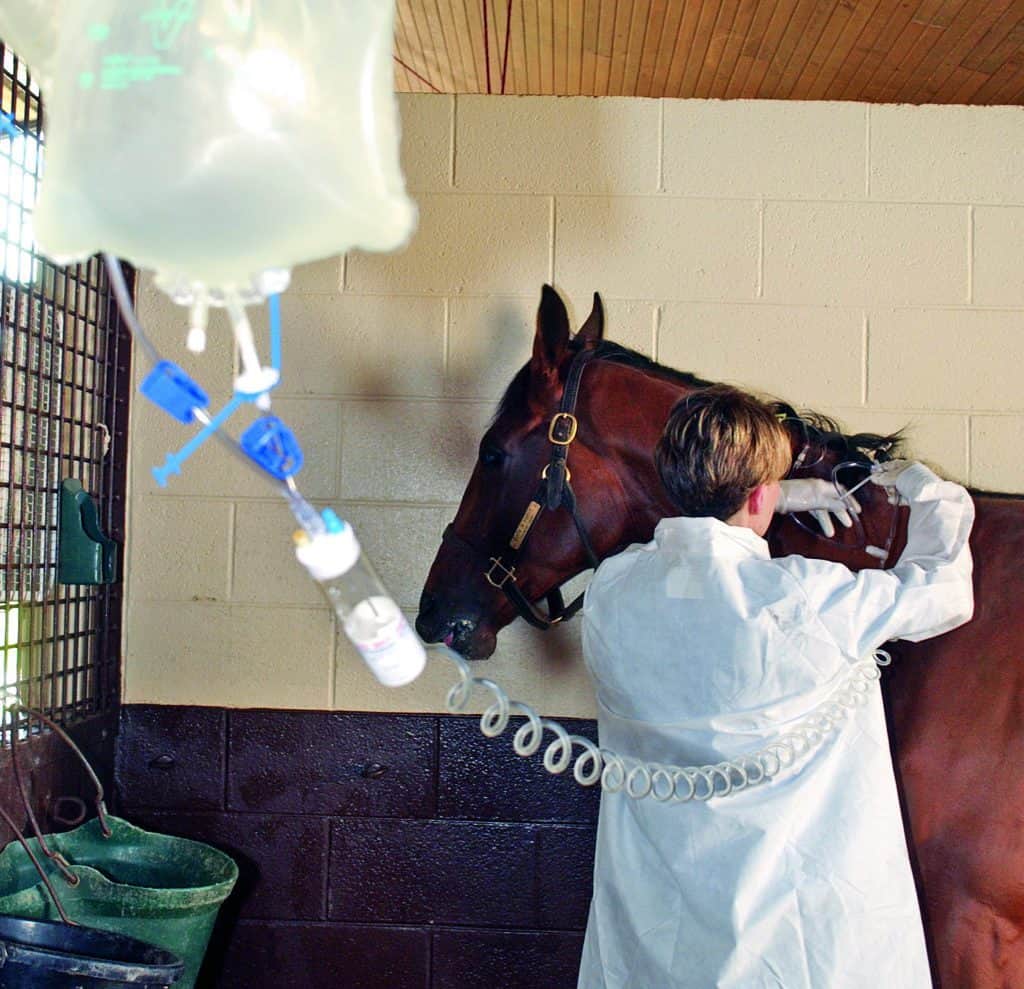
The three main types of medical treatment for colic include fluid therapy, laxative administration, and pain management.

Researchers determined that healthy aged horses are able to digest various nutrients similarly to healthy adult horses.

What could cause an older horse that’s not eating well to have mucous-covered manure?

Improper use of some common equine drugs can impact our horses’ health and safety more than some might think.

Erin Venable, MS, PhD, is using cannulated horses to learn what goes on in a horse’s cecum.
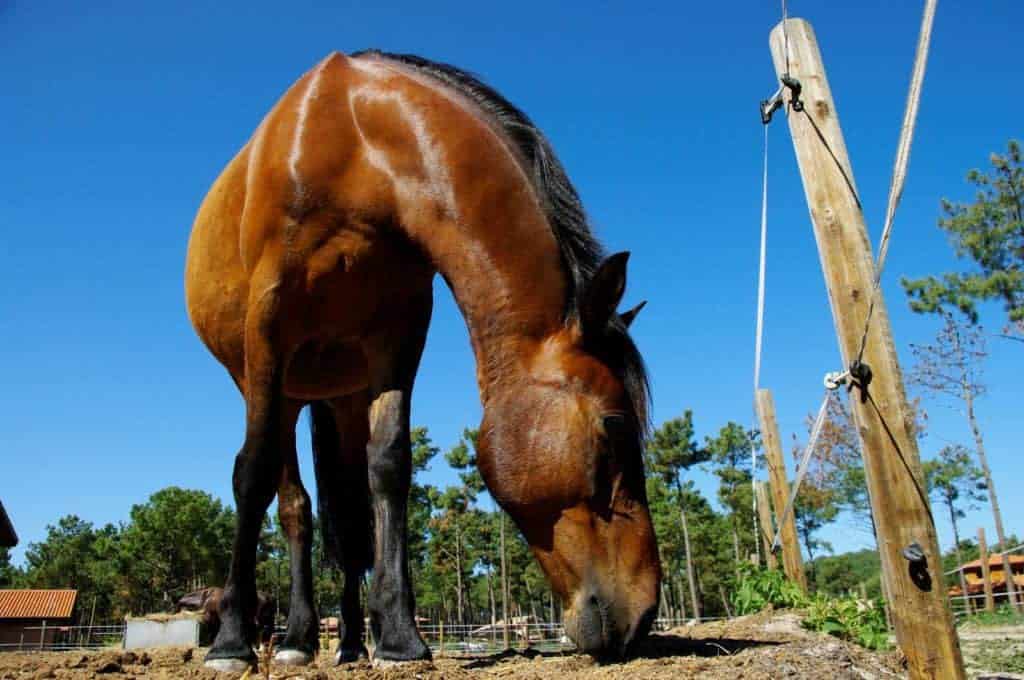
A psyllium/magnesium sulfate combination appears safe and effective for helping horses evacuate sand from their colons.

Studies have shown that a high percentage of performance and racehorses have gastric ulcers.
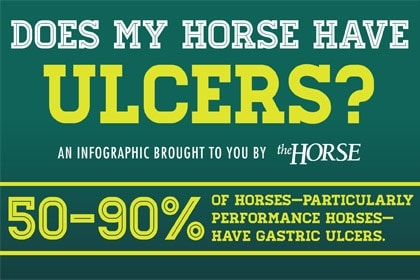
Up to 90% of horses suffer gastric ulcers. Is your horse one? Discover common clinical signs, treatments, and management strategies for horses with gastric ulcers in our step-by-step guide.

There are no easy answers when it comes to colic surgery, just as there are no easy decisions.

Learn about gastric ulcers and how to treat them and decrease their likelihood of causing your horse distress.

Understanding the horse’s digestion process can help you better manage factors that could cause colic.
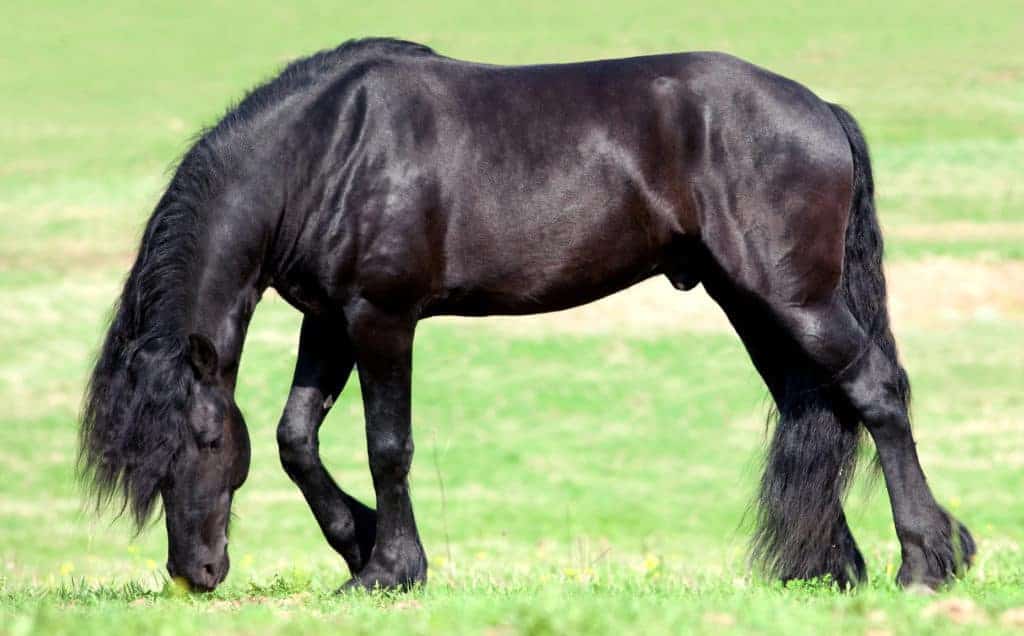
The equine intestinal tract can be divided into large sections based on its overall function.
My horses eat dirt, even with mineral and salt blocks available to them. Why do they do this?

A look at how and where impaction colic happens and what measures might reduce a horse’s risk.