Can Vaccinated Horses Still Get Sick?
A veterinarian lists the reasons a vaccine might fail to protect a horse against disease.

A veterinarian lists the reasons a vaccine might fail to protect a horse against disease.

Are there any special considerations I need to make when hauling, housing, and showing my healthy senior gelding?
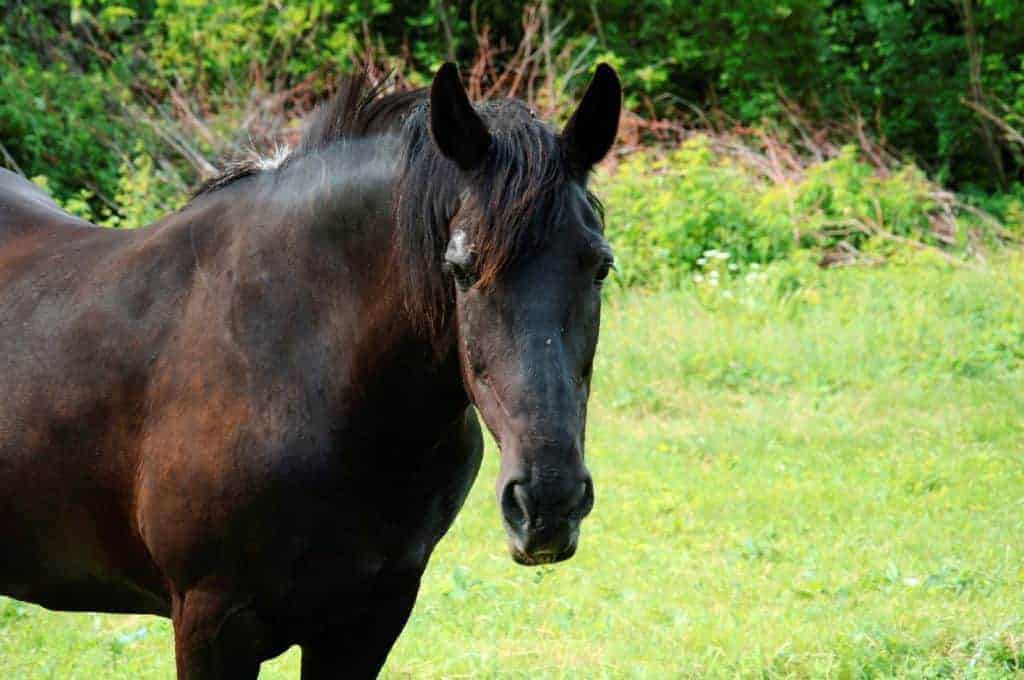
Horses experience less profound immune system changes than humans as they get older. However, researchers still have much to learn about equine aging.

Infection can cause serious illness in neonates. Make sure your newborn receives enough disease-fighting antibodies from his dam’s first milk.

Proper nutrition is critical for growth and development. Learn the right way to feed your foal.

Many factors affect your horse’s ability to mount an effective immune response, one of which is his age. Learn more about the horse’s immune system and how it functions at every stage of his life.
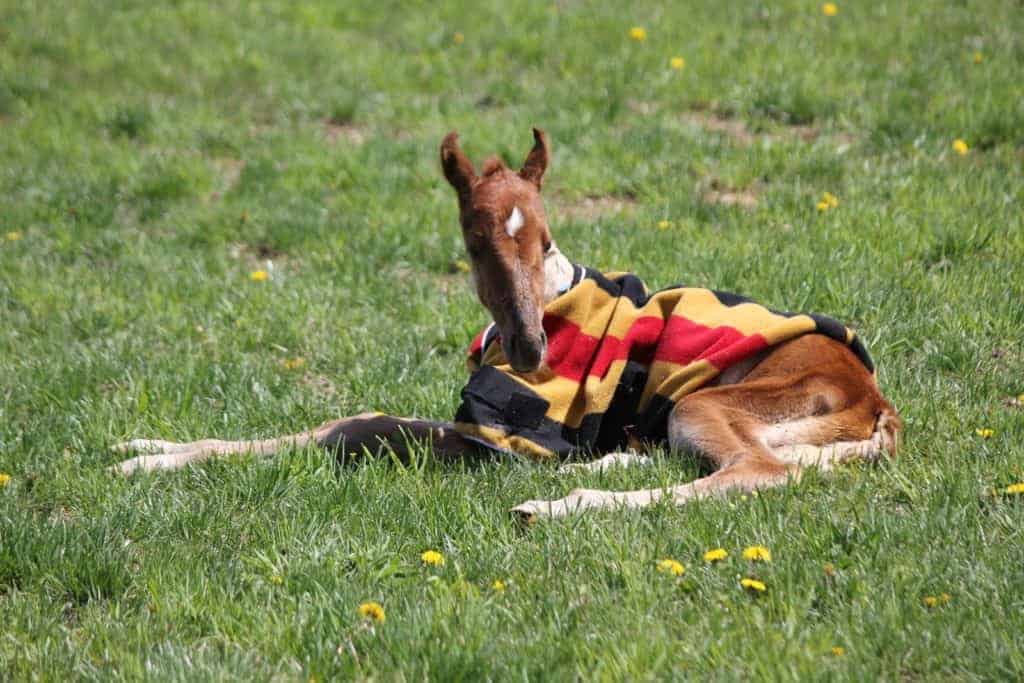
Your horse needs a strong immune system to stand up to the challenges that come with living outdoors, commingling with other equids, and more. Critical to that immune system are infection-fighting proteins called antibodies (immunoglobulin G, or IgG). How much do you know about your horse’s IgG levels?

Find out how long it takes for a horse to be protected from disease after vaccination. Dr. Elizabeth Davis explains.
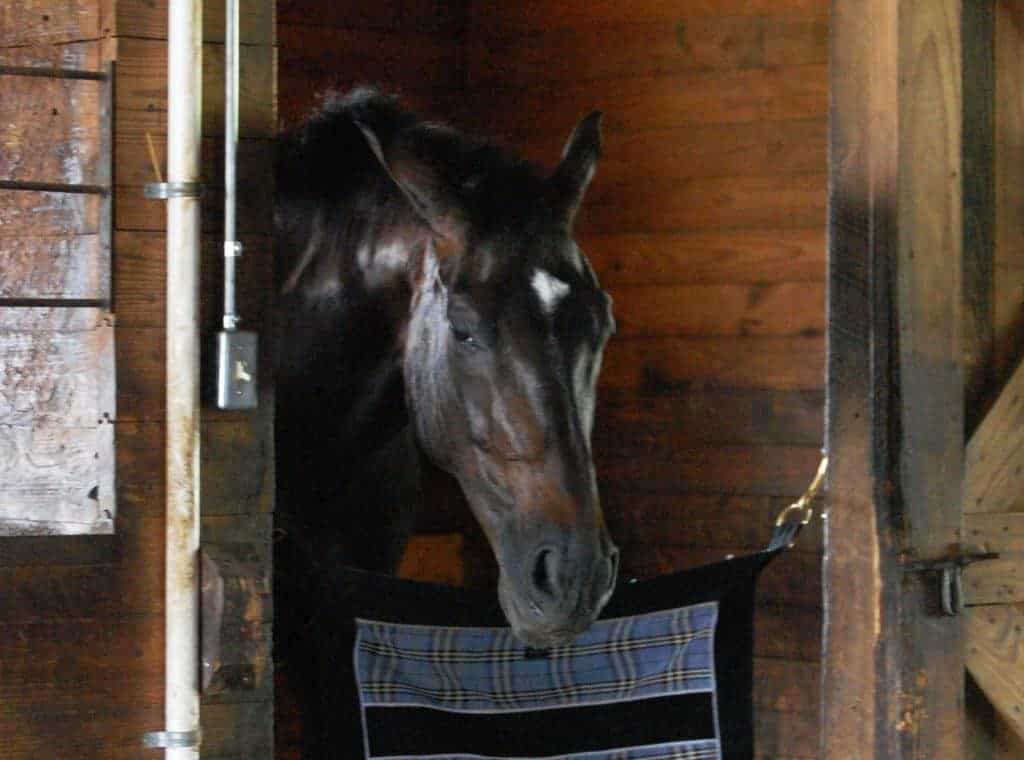
Find out from Dr. Elizabeth Davis how vaccines prime the immune system and why some horses might still get sick.

While some species develop a local immune response, sending special protective cells to the uterus itself, mares don’t, researchers learned recently. Rather, they appear to send those cells elsewhere as soon as semen enters the uterus. Where they go, nobody knows (yet).

Equine researchers have begun studying the concept of whole-body inflammation because of its links to a variety of health problems, including “leaky gut syndrome”; musculoskeletal injury risk; and equine metabolic syndrome, insulin resistance, and laminitis.

Horse are especially sensitive to endotoxemia. To address the issue, Dr. Stacy Anderson of Lincoln Memorial University, in Harrogate, Tennessee, presents her research on neutrophil apoptosis (the death of cells that occurs as a normal and controlled part of an organism’s growth or development) in horses.

Caring for the older horse can require special attention to his needs. Download this free guide to find out what health issues to watch for and how to keep your senior horse happy and healthy.

Horses with PPID had lessened antibody titers following vaccination for rhinopneumonitis and West Nile virus.

Be familiar with the most common problems that can happen within 24 hours of foaling.
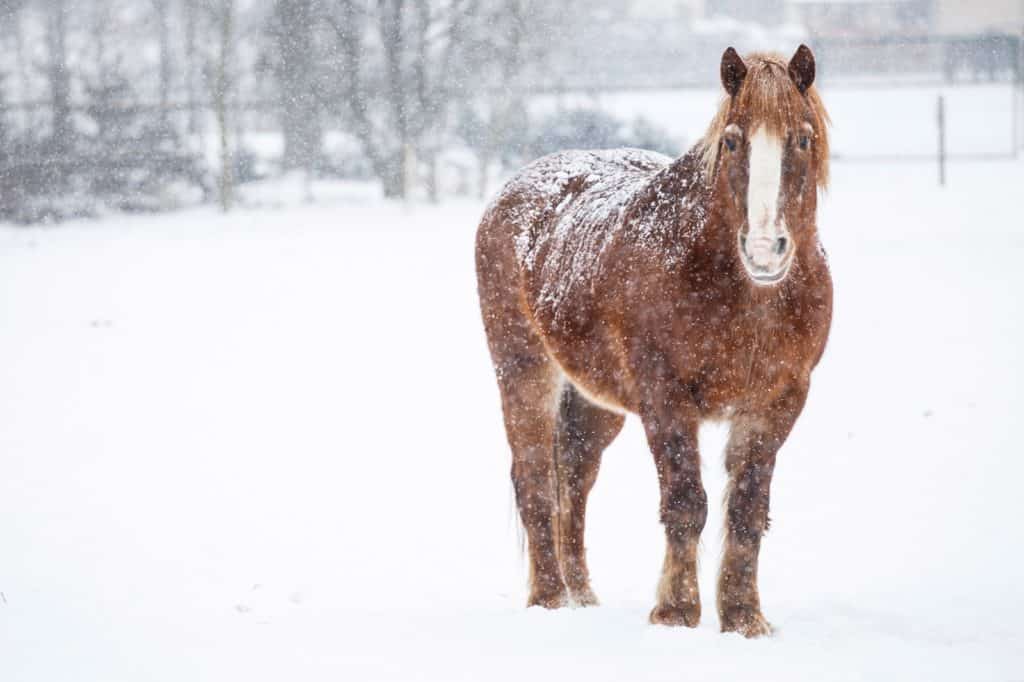
Take a look at how immunosenescence and its effects impact the way owners and veterinarians care for senior horses.