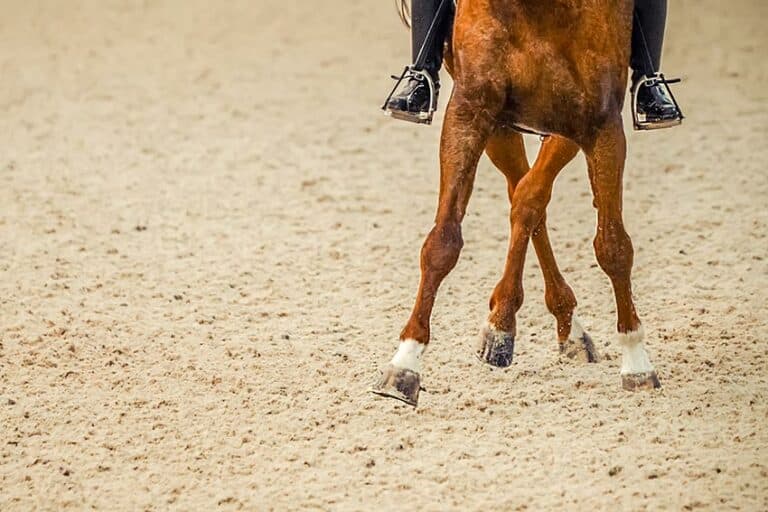
Achieving Full Mobility After Bone Chip Surgery
What therapies might help relieve the rest of a horse’s body when treating a specific injury or recovering from surgery?

What therapies might help relieve the rest of a horse’s body when treating a specific injury or recovering from surgery?

Latham is researching amino acid supplementation’s effects on whole body and muscle protein synthesis in aged horses.

There are joint treatments galore, but your vet can help determine which option is best suited for your horse.

Protein is made up of amino acids, and its main function is in muscle, tendon, and ligament development and repair. Here are three key points to remember about protein’s role in fueling the sport horse.

Regenerative medicine is opening doors to new and improved therapeutic options for equine musculoskeletal injuries.

Longer light exposure appears to have numerous effects, from prompting coat shedding to increasing bone mineral density.

Beginning treatment during the acute phase helps give the horse the best chance of recovery. Here’s what to know.

Scientists found that two blood tests were able to distinguish between healthy horses and those with myocardial disease.

Is your horse cinchy, grumpy, or reluctant to move forward under saddle? Do you wonder about those white hairs and dry spots on either side of his withers? Get your questions answered by a saddle fit expert and veterinarian during our live event.
Do you have any suggestions for speeding the time it takes for proximal splints (in the forelimbs) to resolve?
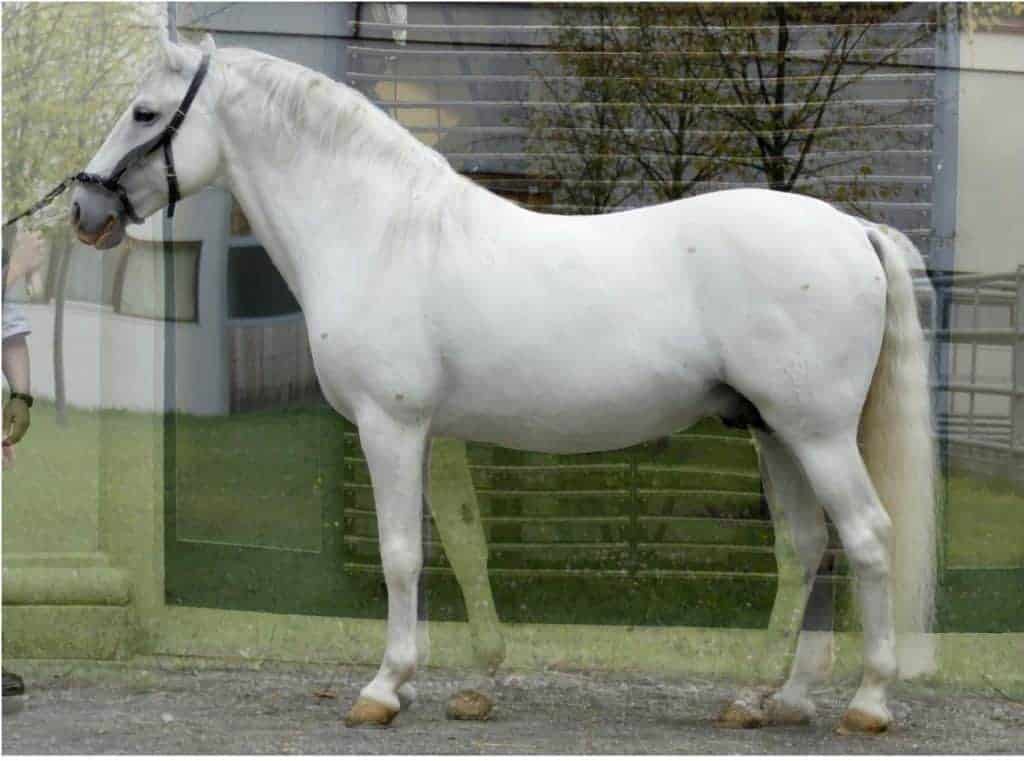
Scientists applied precise, objective mathematical analysis to the subjective art of horse breeding evaluations.
Veterinarians can access an illustrated tutorial on saddle fit and its impact horse and rider health and welfare.
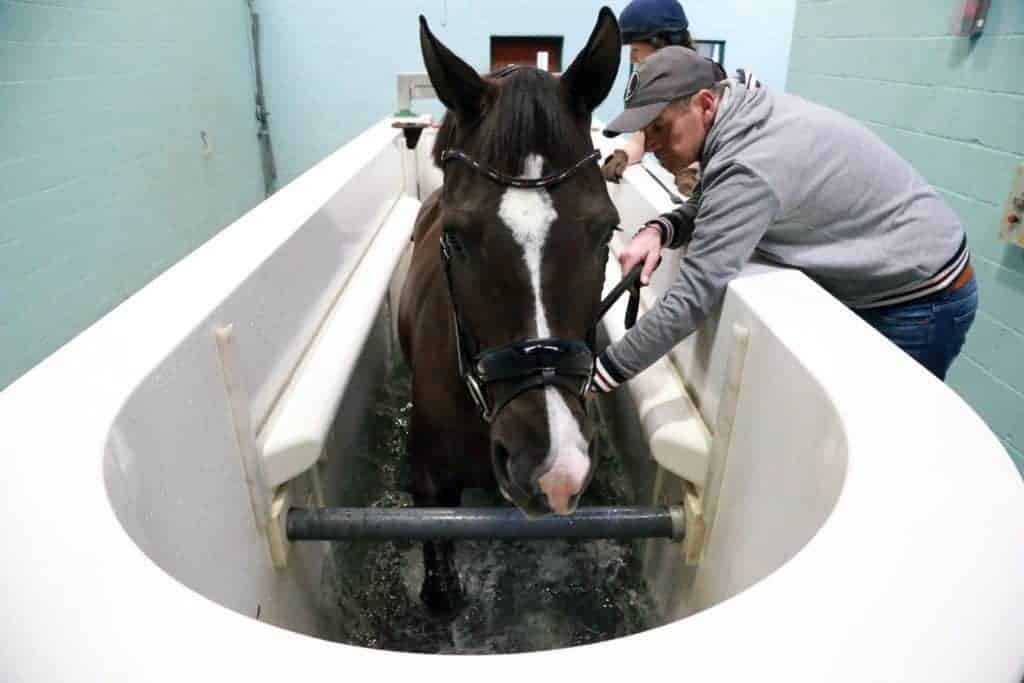
British researchers recently studied how water treadmills can influence a sport horse’s performance and rehabilitation.
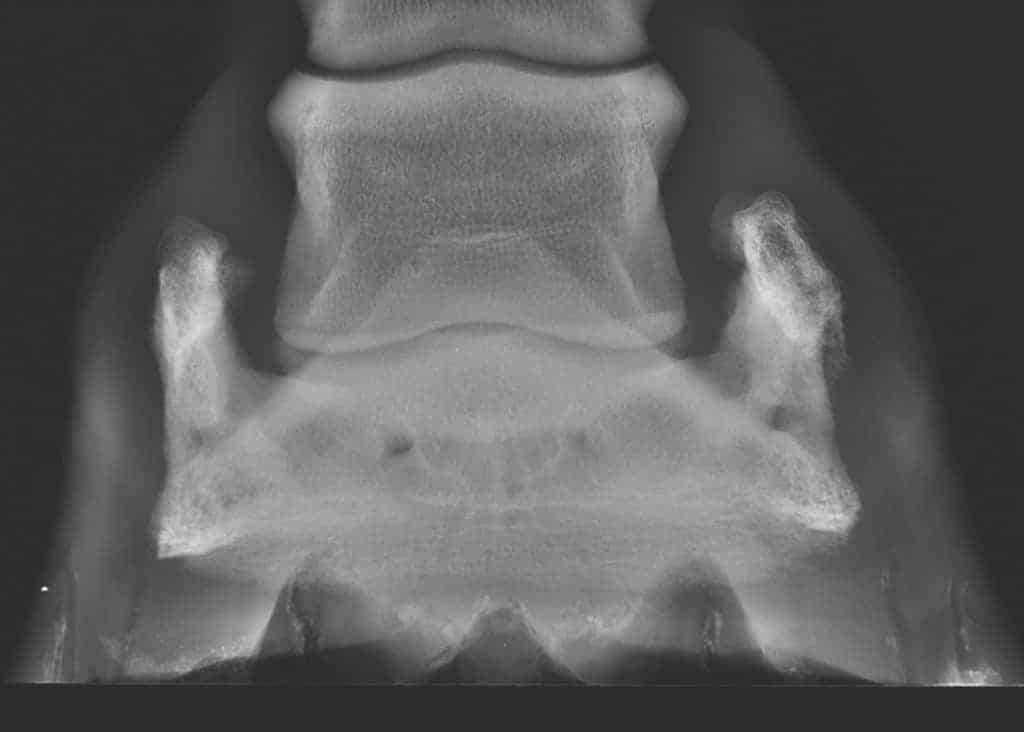
Some horses can develop lameness associated with injury of ossified ungular cartilages or the adjacent coffin bone.
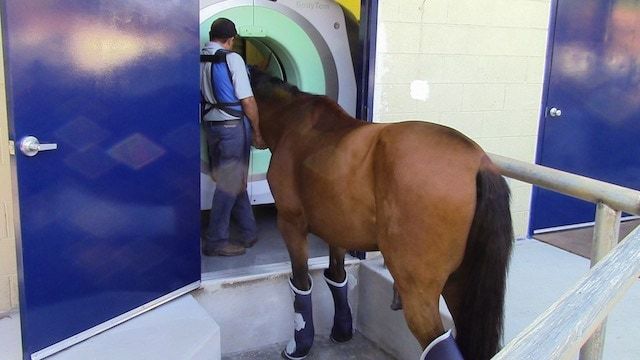
The new CT unit’s gantry is 85 cm in diameter to accommodate large equine body parts, such as the neck.

Recent study results support the hypothesis that omega-3s could modify a joint’s response to inflammation.