A Review of Fatal Fetlock Injuries in California Racehorses
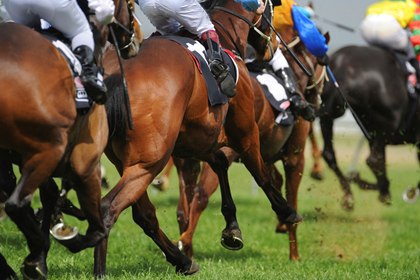
One of the most common sites of catastrophic injuries in Thoroughbred racehorses is the fetlock.

One of the most common sites of catastrophic injuries in Thoroughbred racehorses is the fetlock.

Researchers are still working to fully understand what impact aging has on the equine immune system.

Understanding the horse’s digestion process can help you better manage factors that could cause colic.

Vets caring for Friesians should interpret a few tests differently than they would in the average horse.

Researchers are striving to better understand the balance between tolerable and excessive bone damage.
This rare, chronic wasting disease is characterized by development of granulomas in numerous organs.
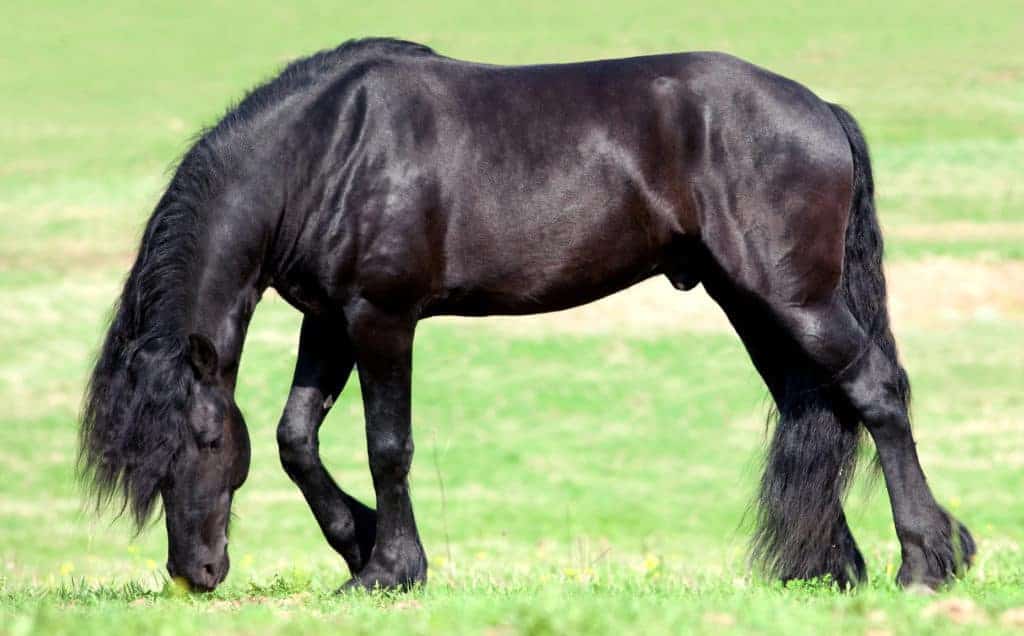
The equine intestinal tract can be divided into large sections based on its overall function.

Covering a variety of horse health topics, the following articles received the most views in 2013.
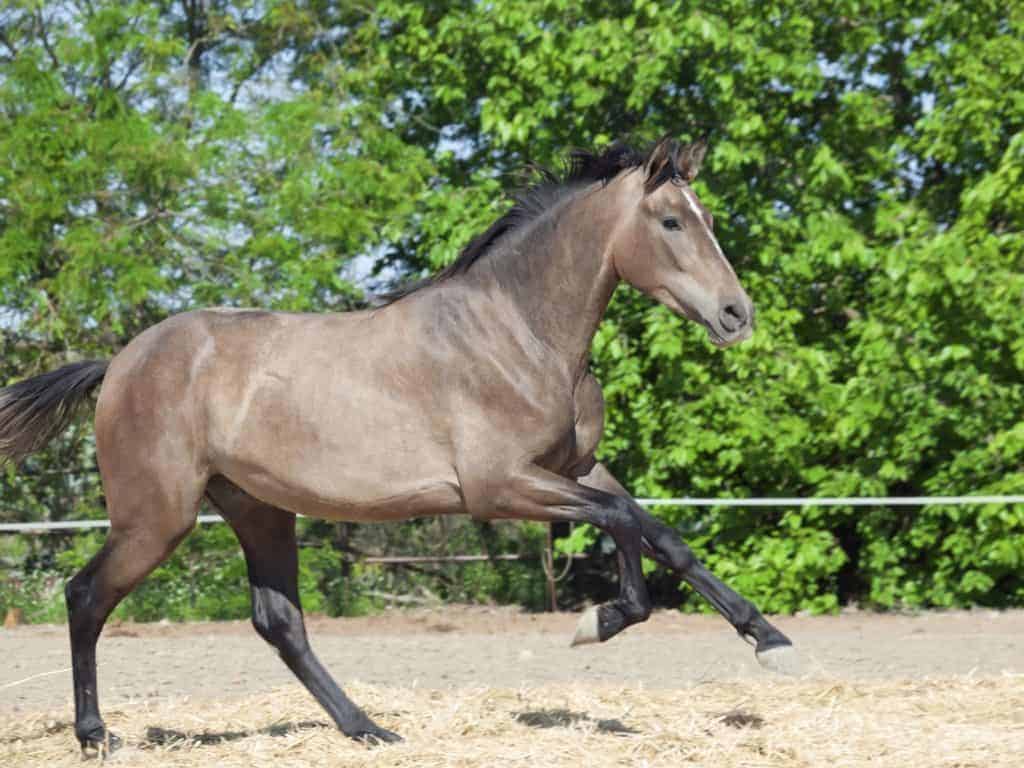
It’s time to take a step back and review the specialized structure and function of the equine body.
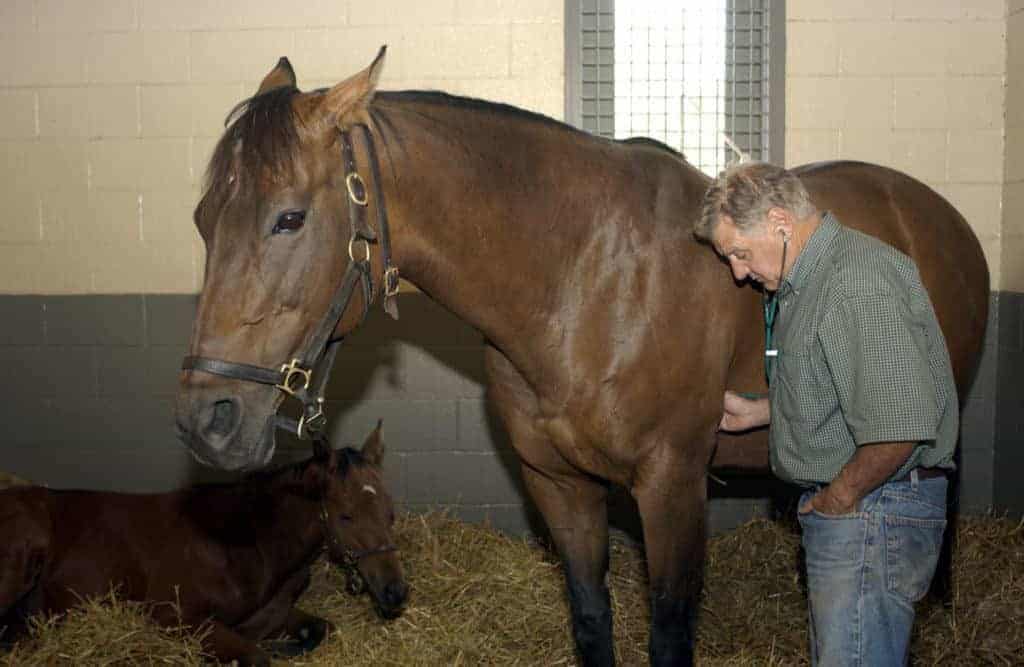
Heart murmurs in horses are often difficult for veterinarians to hear and identify. In this presentation by equine internal medicine specialist Dr. Michelle Barton, learn about equine heart murmurs and their possible associated risks.
My horses eat dirt, even with mineral and salt blocks available to them. Why do they do this?

A look at how and where impaction colic happens and what measures might reduce a horse’s risk.

Equids (horses, asses, and zebras) are the only animals that sleep standing up.

While EMPF is considered a rare disease, researchers found that it appears to be related to a very common one.
Researchers are exploring animal microbiome to benefit both animals–including horses–and humans.
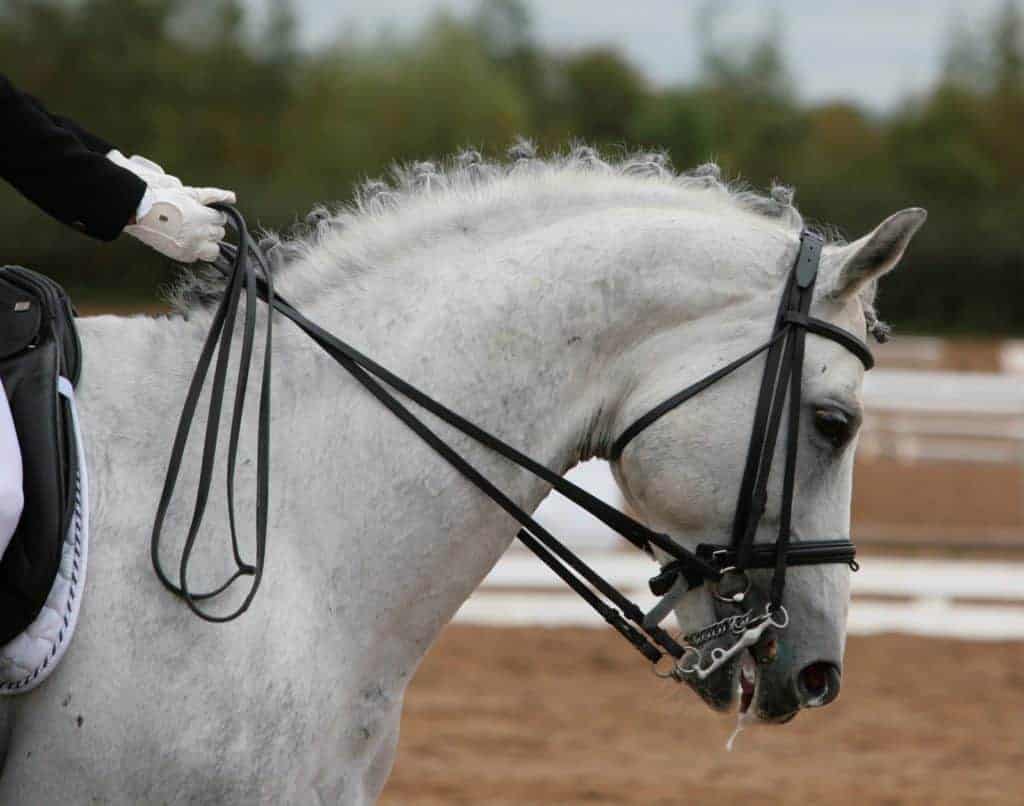
Researchers evaluated the activity of three muscles when horses worked in different head and neck positions.