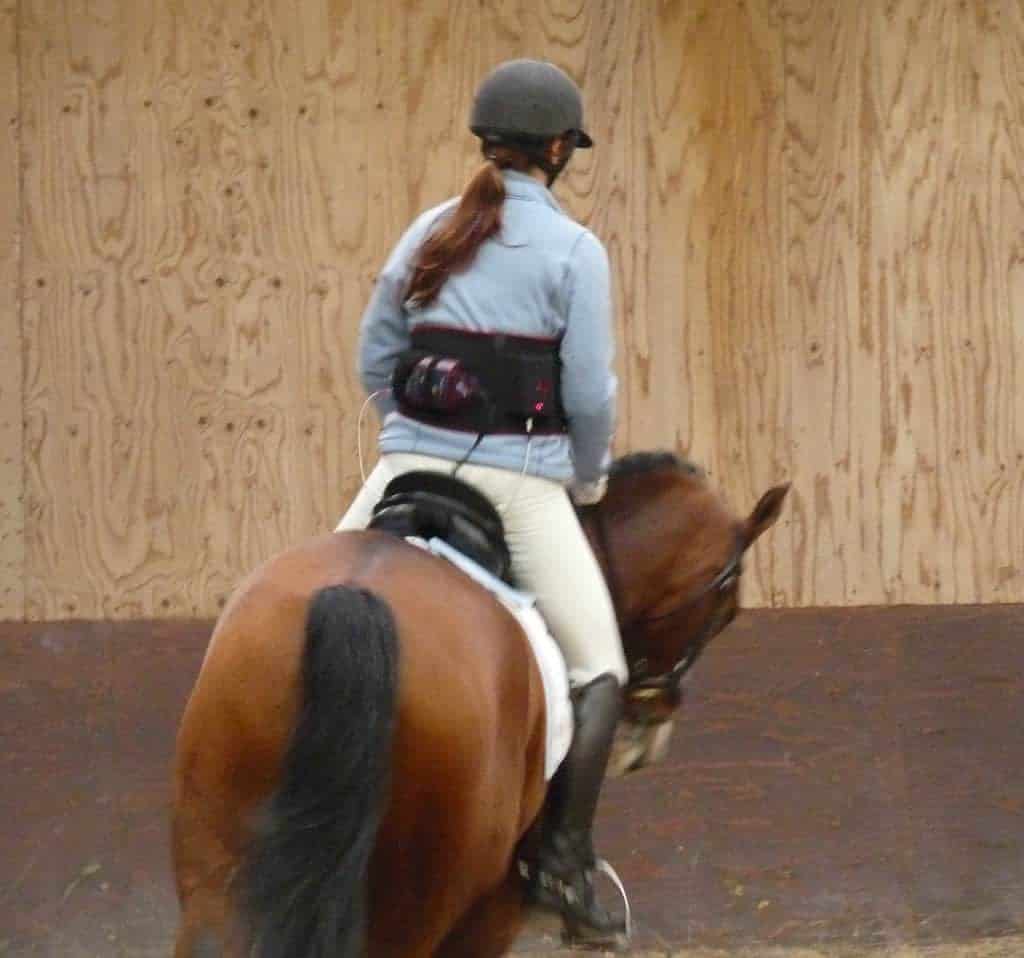
Evaluating Horse, Rider Biomechanic Interaction
Researchers are learning about the kind of weight and pressure humans put on different parts of horses’ bodies

Researchers are learning about the kind of weight and pressure humans put on different parts of horses’ bodies

One study evaluated the effects of needle size and clipping hair on debris found in joints after injection.
Balancing the digestive system is key to maintaining equine health by improving nutrient absorption.
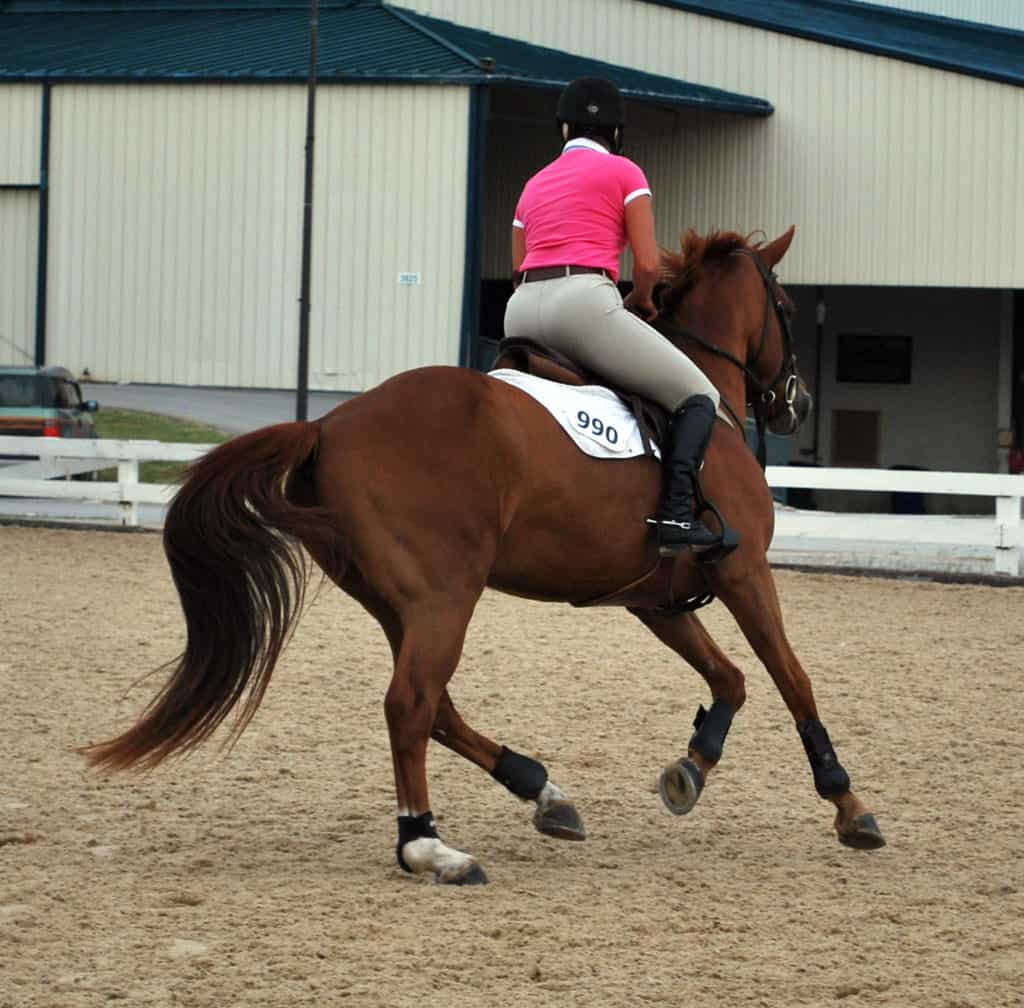
Bracelets and leg weights strengthen and activate certain muscles to help improve hind end gait abnormalities.

Healthy hooves are paramount to a horse’s soundness. This fact sheet lists some common hoof problems, such as hoof abscesses, quarter cracks, bruises, navicular syndrome, underrun heels, and thrush, and how to identify, manage and prevent them.

A stem cell-PRP combination could be more effective than either therapy alone for treating soft tissue lesions
The latest Horse Course, “Muscle Power: Muscle Mass in Growing, Athletic Horses,” is now available to view.
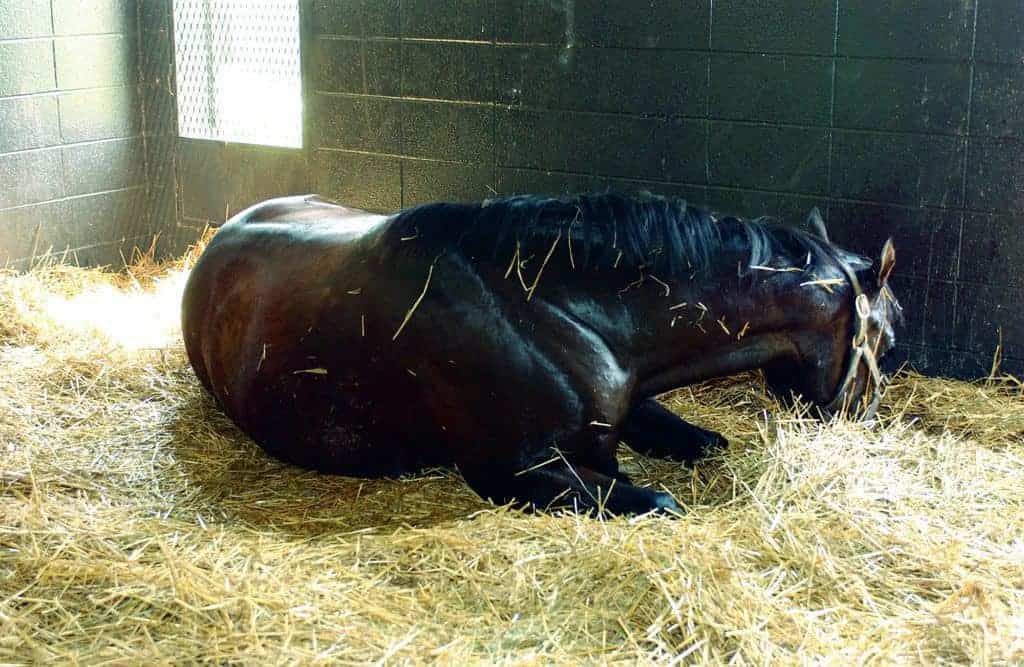
Certain parts of the horse’s digestive tract are associated with higher risks of developing colic.

The second year of a horse’s life brings significant changes not only in his development but also his use.

A number of air quality factors in barns can make it harder for your horse to breathe, compromising his health and performance.
As we step back from our machines and relearn the art of looking at the equine patient as a whole we might realize that some of the most complicated problems have rather simple solutions.
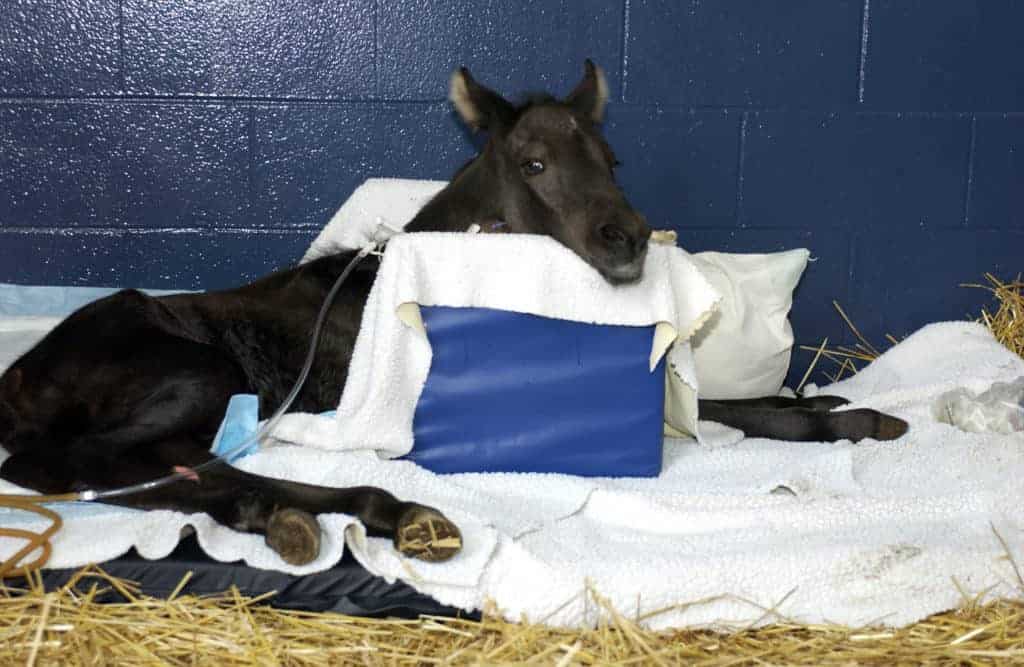
Meconium impaction, ulcers, diarrhea, and other GI problems can arise in foals.
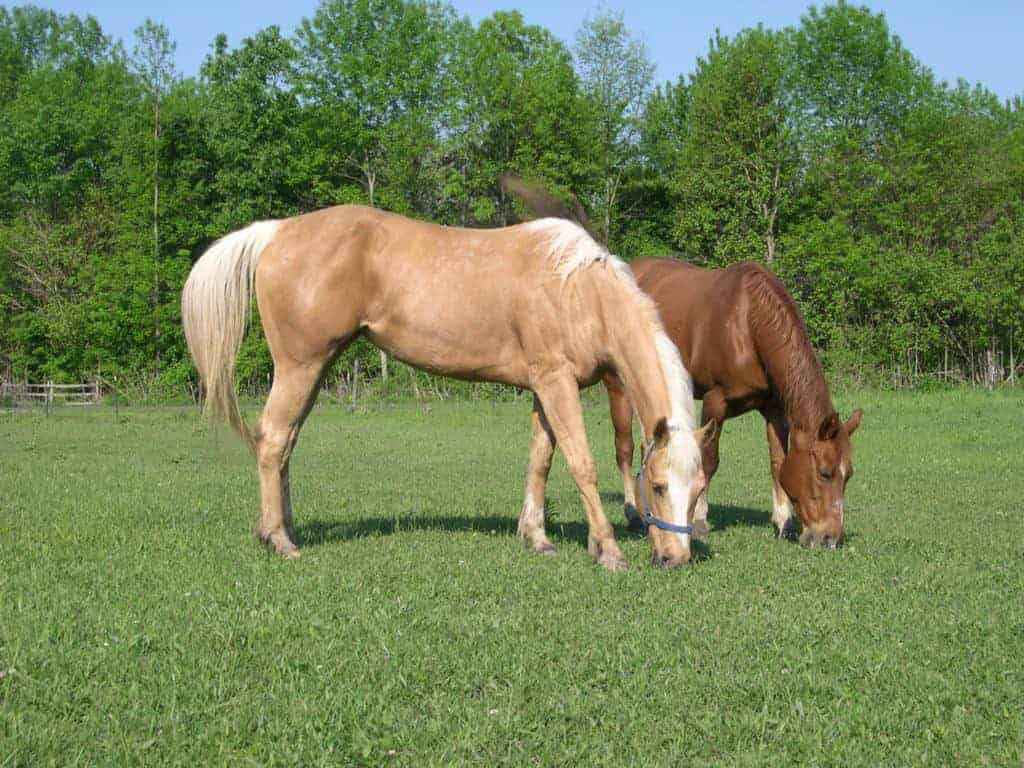
Could a healthy horse in one’s own backyard be a disease risk for other horses?
Stem cell therapy is one of the most discussed regenerative therapies in the horse health community today, and
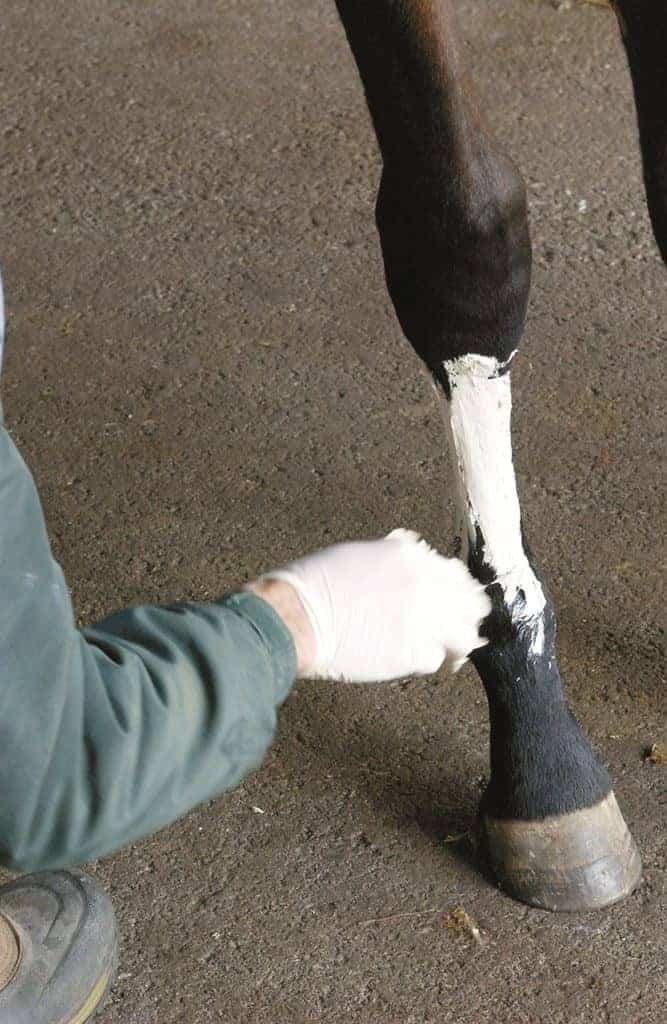
Poultice can help reduce tissue heat and swelling caused by high intensity training and performance.