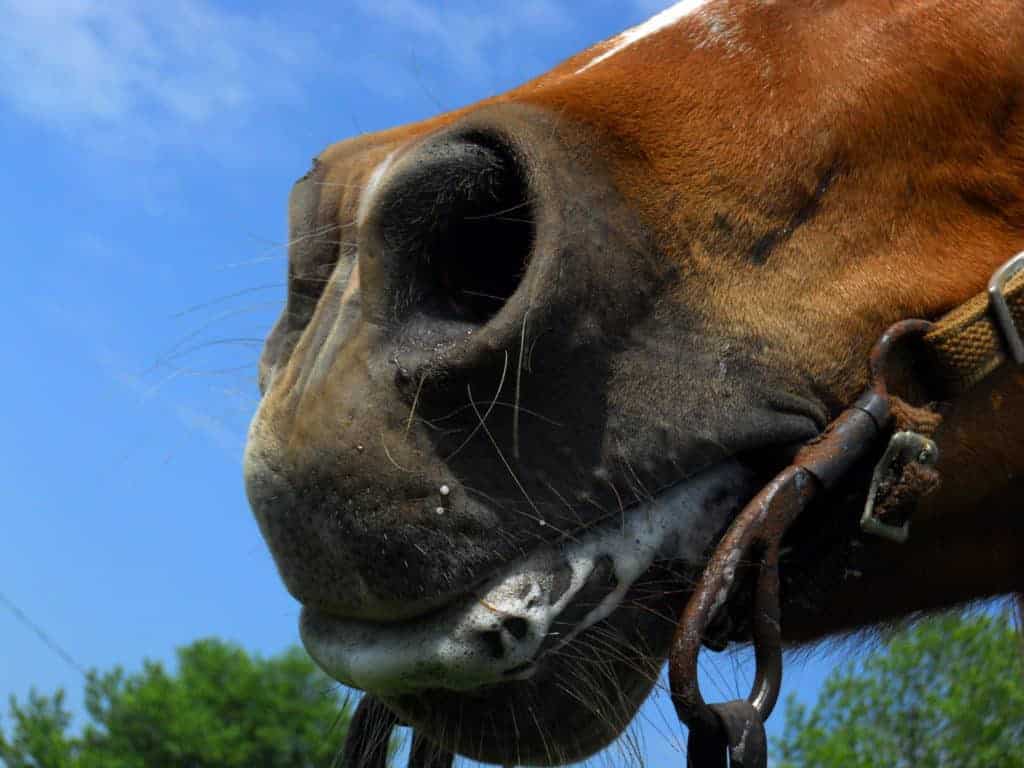
Your Horse’s Breathing: Roaring, Coughing, and Bleeding
A rundown of respiratory diseases commonly observed in performance horses.

A rundown of respiratory diseases commonly observed in performance horses.
A researcher is examining how age-related and geriatric disases affect protein metabolism.
Mixed study results indicate more research is needed to determine dosing frequency and therapeutic window.
On Tuesday, Feb.7, from 6:30 to 7:30 p.m., the New Bolton Center will present “Colic in 3D: The Glass Horse.”
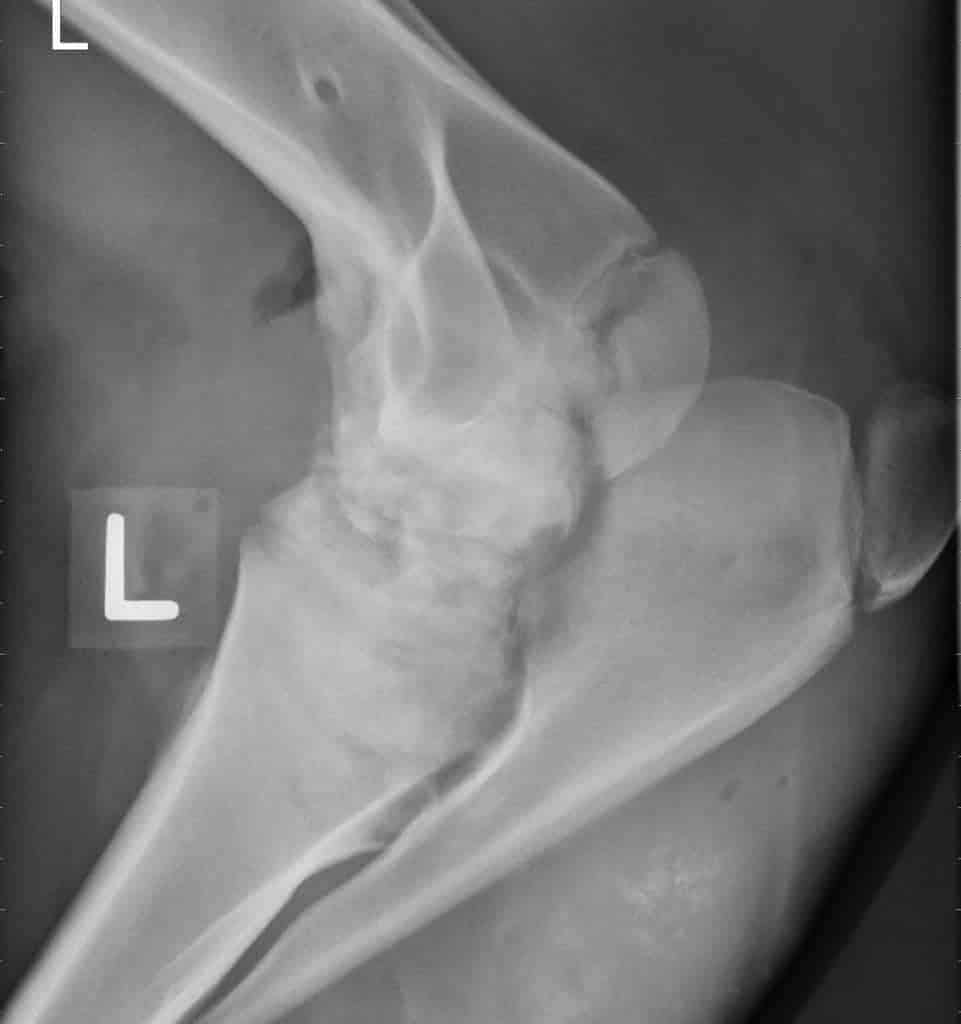
Treatment goals should be to aid in performance without eliminating the joint’s natural response to injury.

Kissing spines are more likely to cause clinical problems in certain breeds, disciplines, and age groups.

Topical anti-inflammatories, hyaluronic acid, and shock wave therapy are among the popular treatment options.

A thorough physical examination and tailored therapeutic approach can help relieve equine neck and back pain.

Certain hoof characteristics can be associated with chronic lameness, while others point to a sound horse.
Topics discussed included diagnostic methods, types of back pain, kissing spines, and treatment methods.
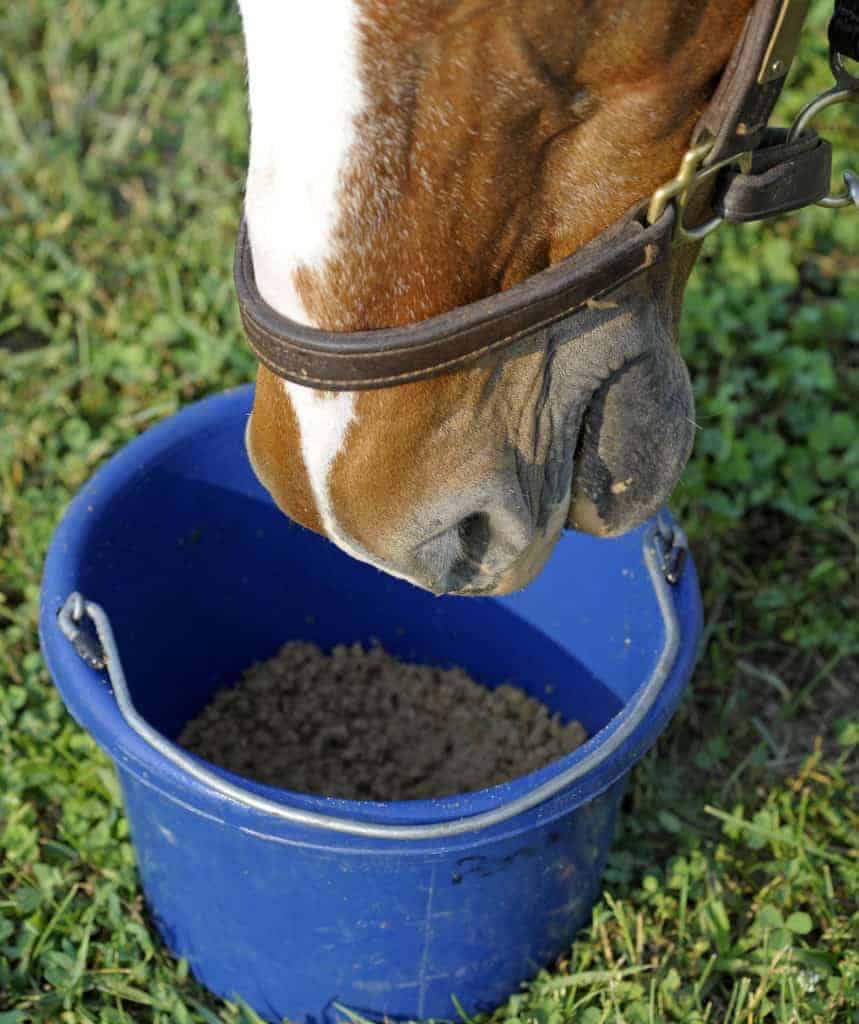
There are more than 100 possible causes for dysphagia–the inability to swallow–in horses.
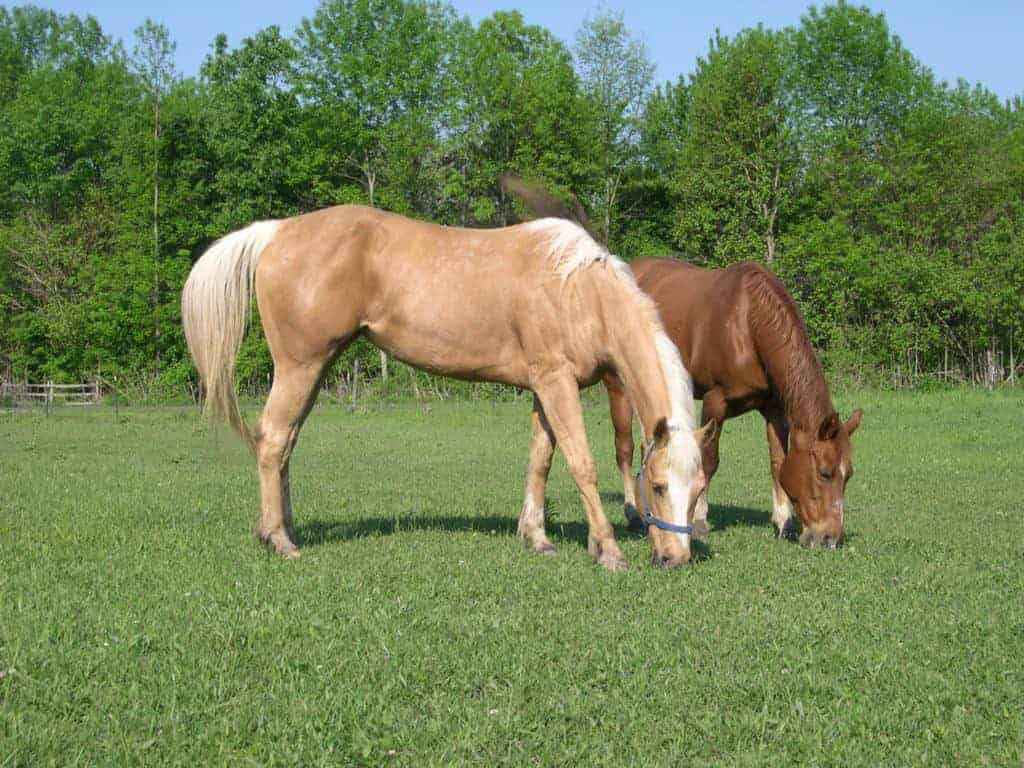
Atypical myopathy–a sudden onset of acute muscle pain and damage–is related to pasture rather than exercise.

Researchers are helping horse farms control and detect equine proliferative enteropathy (EPE).

Certain lucencies should be taken seriously as they appear to have a significant effect on racing performance.

New diagnostic technologies and treatment modalities have revolutionized how vets address equine back pain.
McCoy’s research investigates genetic risk factors for the development of osteochondrosis (OC).