Grasping Insulin Resistance in Horses
Two leading researchers explain insulin’s effects on the body and how to manage the insulin-resistant horse.

Two leading researchers explain insulin’s effects on the body and how to manage the insulin-resistant horse.
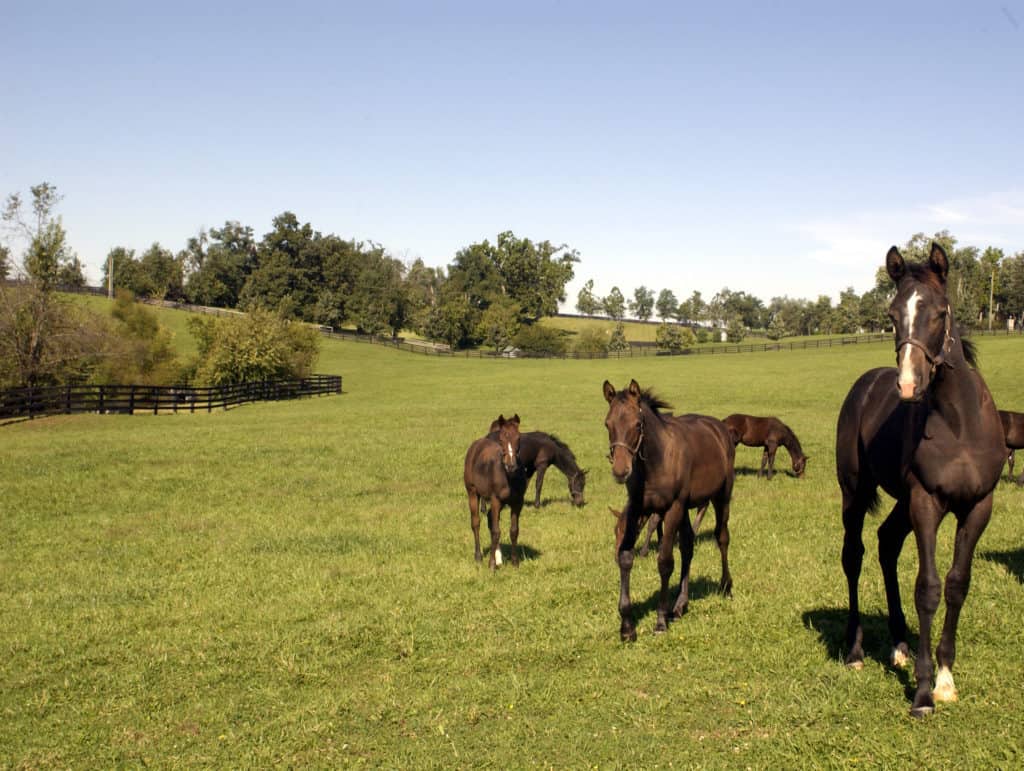
Don’t wait until your foal is weaned to plan a diet that meets his increased energy, protein, and mineral requirements.

Owners who struggle to provide their horses with consistently good-quality forage might be able to improve feed digestibility and topline development by offering these horses a fortified feed, researchers find.

Here’s how to manage senior horses’ aging teeth, joints, lungs, and more.

Can decreasing pasture size also decrease your horse’s weight even if turnout time doesn’t change? A researcher investigated and offers management tips based on her results.

Careful dietary consideration can help make an OTTB’s transition from racehorse to pleasure or sport horse easier on his digestive system.

Use our free adult horse weight calculator to estimate your horse’s weight using body length and heart girth measurements.

Dietary restriction plus a low-intensity exercise program helped improve overweight horses’ insulin sensitivities, which could help reduce their risk of developing laminitis.

Horses and ponies that gain weight are more than twice as likely to develop laminitis than if they lose or maintain their weight, a recently published study revealed.

Diagnosing EMS and taking steps to manage it can allow your horse to live a healthy and productive life.

Although it can be damaging if fed improperly, starch can be an important part of horse diets. Here’s what you should know.

Do you have a skinny horse? Here are some tips you can use to help him return to an ideal weight.

Overweight horses are at risk for a number of health conditions. Here are some tips to use if your horse needs to lose weight.

Researchers found that many old horses are in good body condition. And, at least in certain countries, those that don’t have ideal condition are more likely to be overweight than underweight.
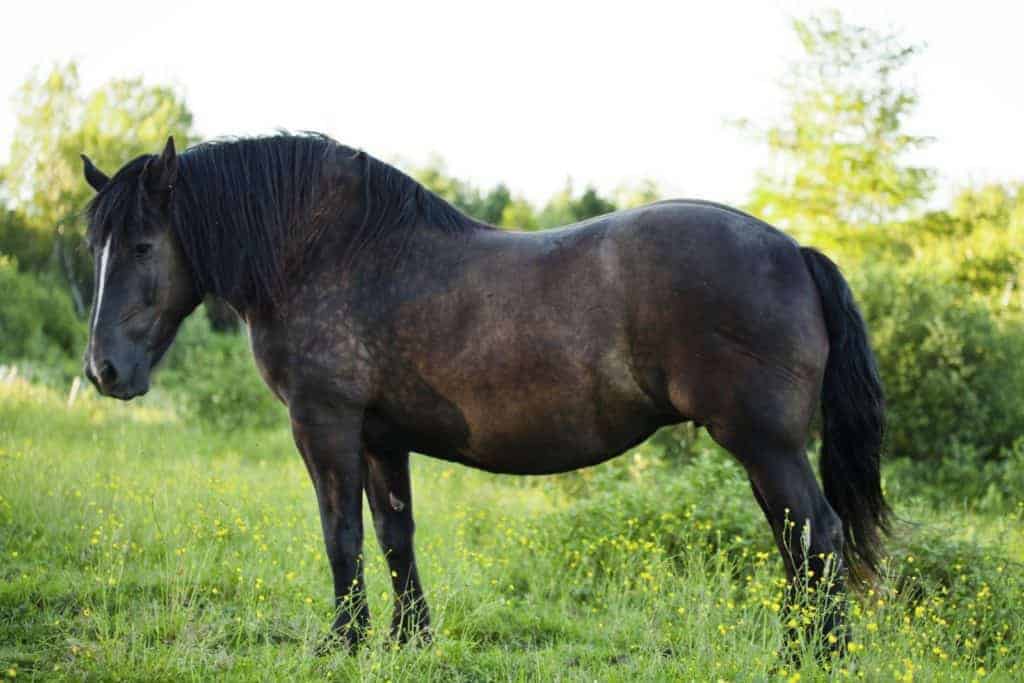
Studies suggest that more than half of certain horse populations in the U.K. are overweight or obese. As such, BEVA urges owners to act now to reduce the risk of their horses suffering weight-related health and welfare risks come spring.
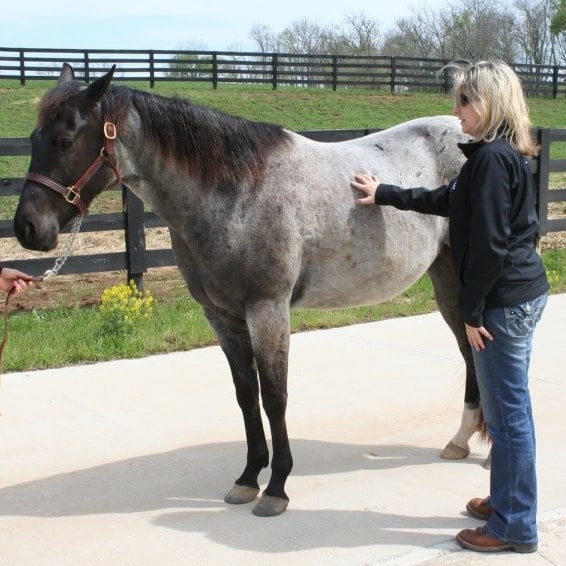
As we understand more about the impact that obesity and emaciation have on equine health, it is imperative that we strive to keep our horses at an optimum body condition.