Caring for and Keeping Older Horses
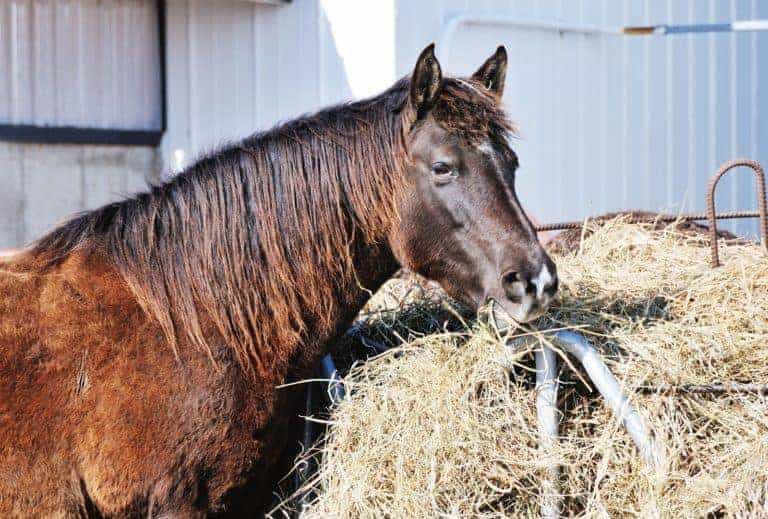
Owners should watch senior horses closely for signs of decline and contact their veterinarians if problems arise.

Owners should watch senior horses closely for signs of decline and contact their veterinarians if problems arise.

Check all these tasks off your list as you transition your horse into the spring riding season.
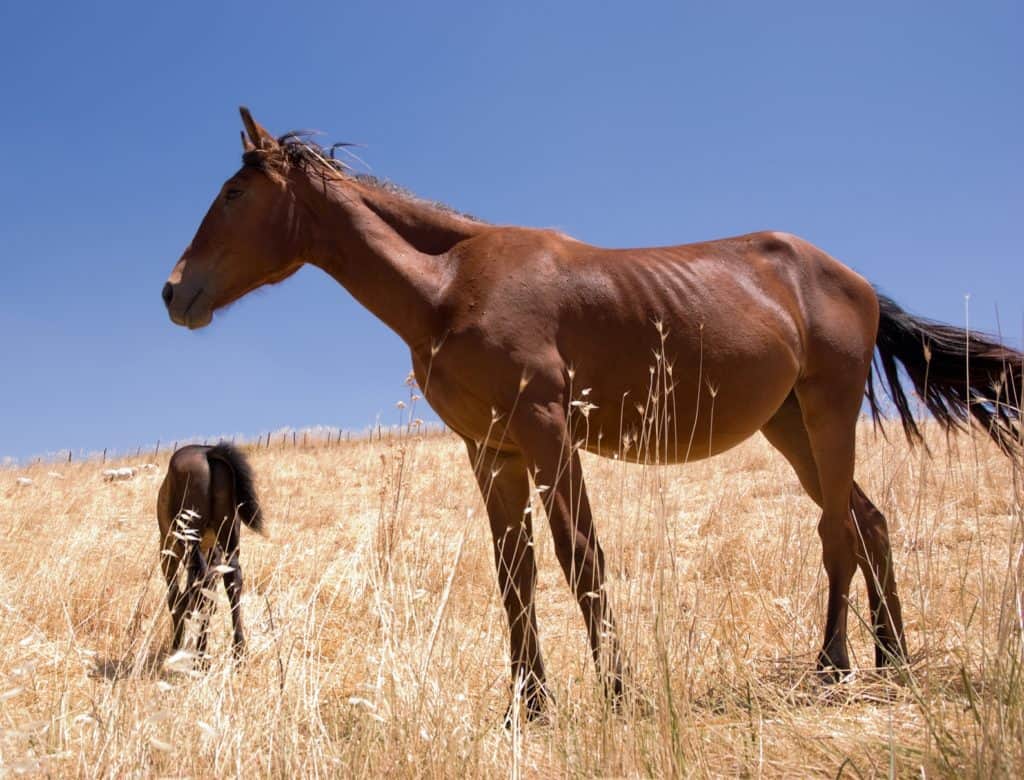
It’s nearly impossible to separate simple malnutrition from the presence of other diseases, one veterinarian said.

Fecal egg count tests (FECTs) allow veterinarians to develop a tailored deworming schedule for each horse.
Lecture topics include nutrition, PPID, parasitology, back pain, toxic plants, natural foot care, and dentistry.
The FDA has approved Quest Plus (moxidectin/praziquantel) for use in breeding, pregnant, and lactating mares.

The equine parasite studies helped secure a $2.1 million, five-year, multiple species grant.

In certain situations, mainly stable herds of adult horses, deworming following FECs can be a cost-effective option.
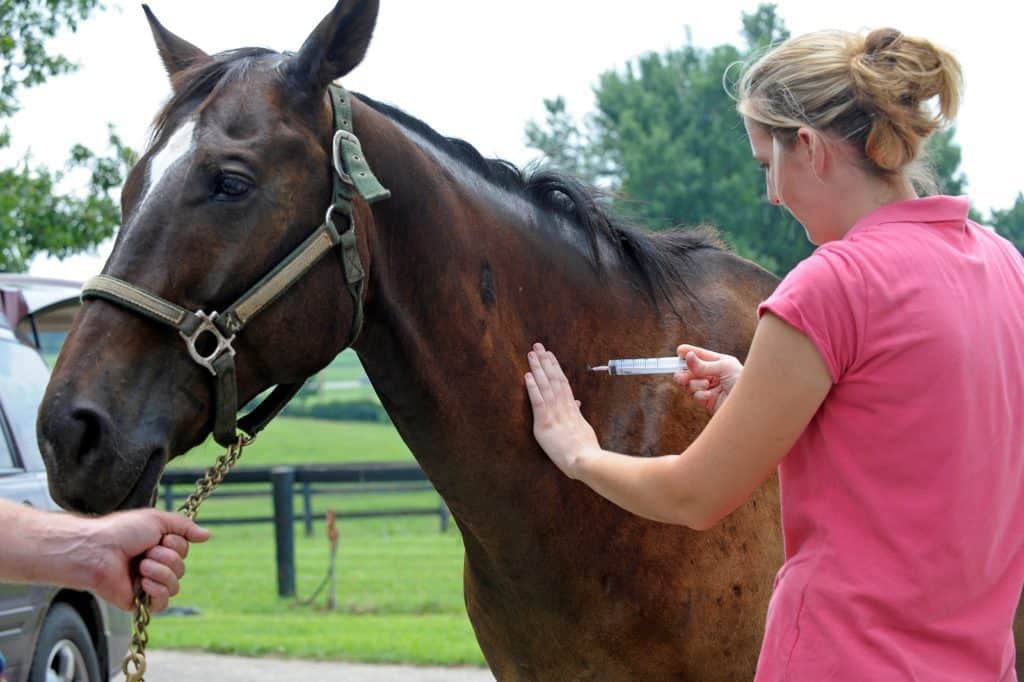
Here’s a rundown on our arsenal of equine disease-fighting drugs and their proper uses.
There are two main parasites–bots and tapeworms–that should be your targets for fall or winter dewormings.
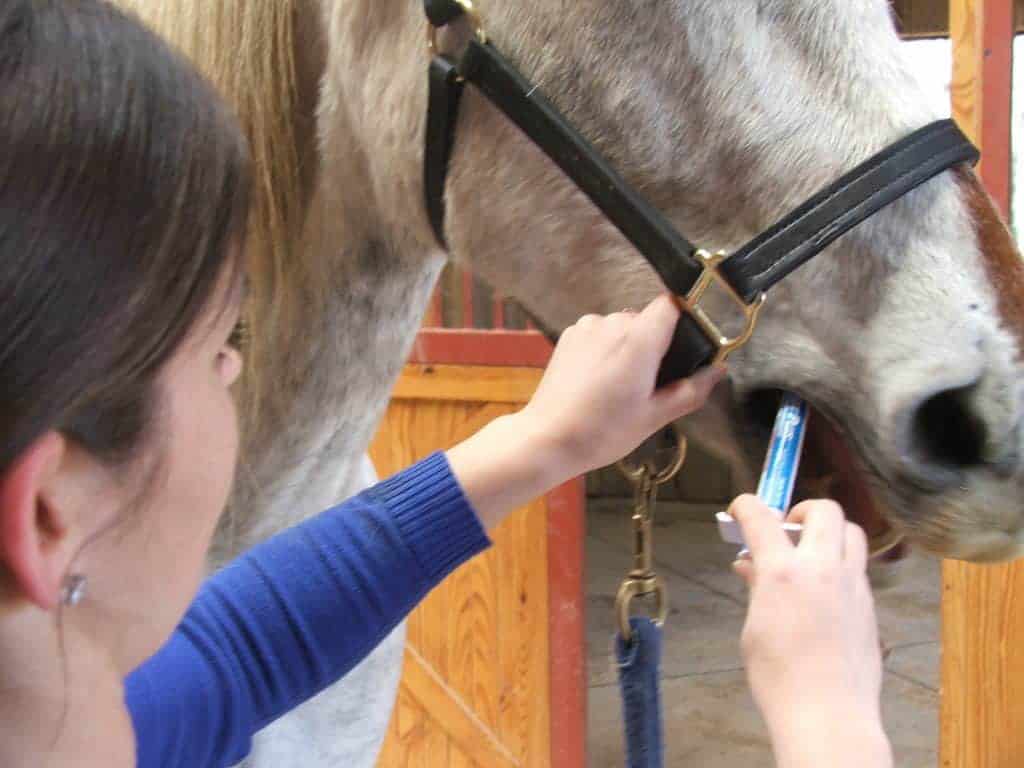
The FDA says responses will help efforts to slow the development of resistance and more.
This symposium will focus on the immune system’s role in equine diseases caused by viruses, bacteria, and parasites.

Being prepared in advance can help horse owners handle this scary situation as well as possible.

Care for horses under the age of 4 with their future health and performance in mind.

Find out what kinds of skin parasites can cause scratches and how these pests respond to ivermectin treatment.

Are you still doing rotational deworming? Learn a new, better way to manage internal parasites in this visual guide!