New Resistance Genes: What’s the Threat to Horses?
A recently discovered resistance gene in bacteria has focused attention on emerging multidrug resistance.

A recently discovered resistance gene in bacteria has focused attention on emerging multidrug resistance.

Understand the costs of veterinary care before you’re faced with a sick or injured horse.

One researcher believes additional studies are needed to improve IAD diagnosis, treatment, and prevention.
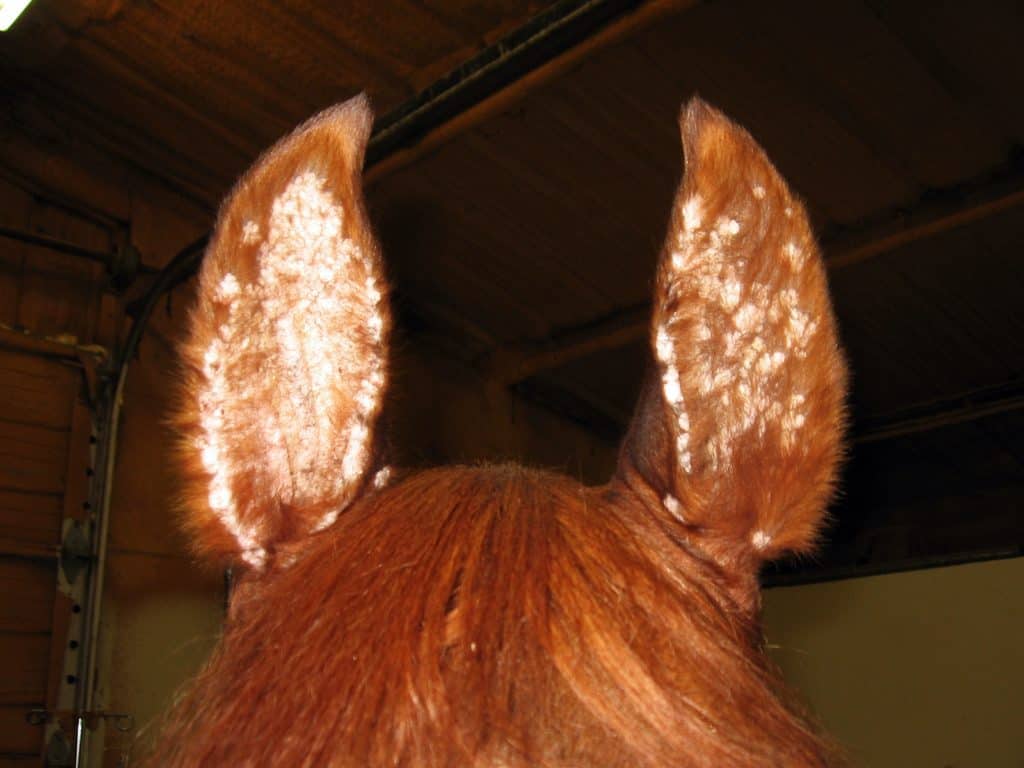
Researchers found that applying 5% imiquimod cream resulted in clinical resolution in 93% of the treated ears.

The Jordanian horse tested positive for boldenone, dexamethasone, meloxicam, phenylbutazone, and oxyphenbutazone.
Carolyn Cooper, DVM, is the director of the Canadian Pari-Mutuel Agency’s Equine Drug Control Program.
The top two finishers at an event in Doha earlier this year have tested positive for human erythropoietin (EPO).
Glaucine, thought to have bronchodilatory and anti-inflammatory properties, is found in the tulip poplar tree.

Researchers in the club’s Racing Laboratory are studying biomarkers for use in drug testing.
The British Equine Veterinary Association was the only organization from the veterinary profession to be recognized.

Representatives educated Congress members about the Thoroughbred Horseracing Integrity Act of 2015.

The enhanced equine security measures are part of the track’s ongoing safety and integrity program.
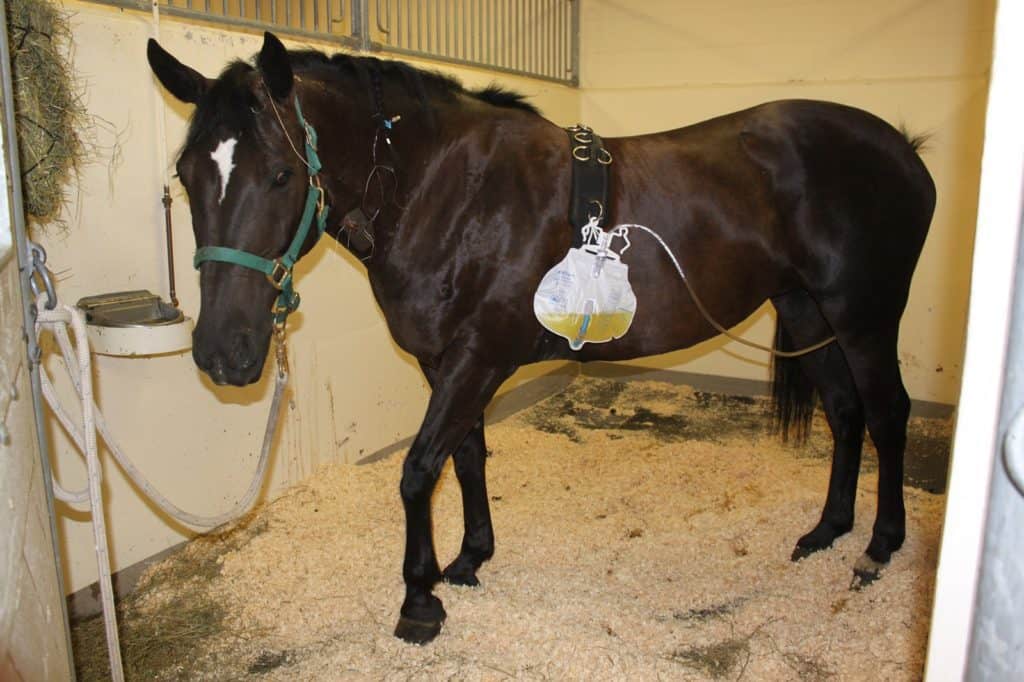
Firocoxib is a non-steroidal anti-inflammatory drug used to treat musculoskeletal inflammation and pain in horses.

Researchers determined that acyline can reduce stallion testosterone concentrations to as low as those of geldings.

The New Mexico Racing Commission will enhance its out-of-competition drug testing program effective immediately.
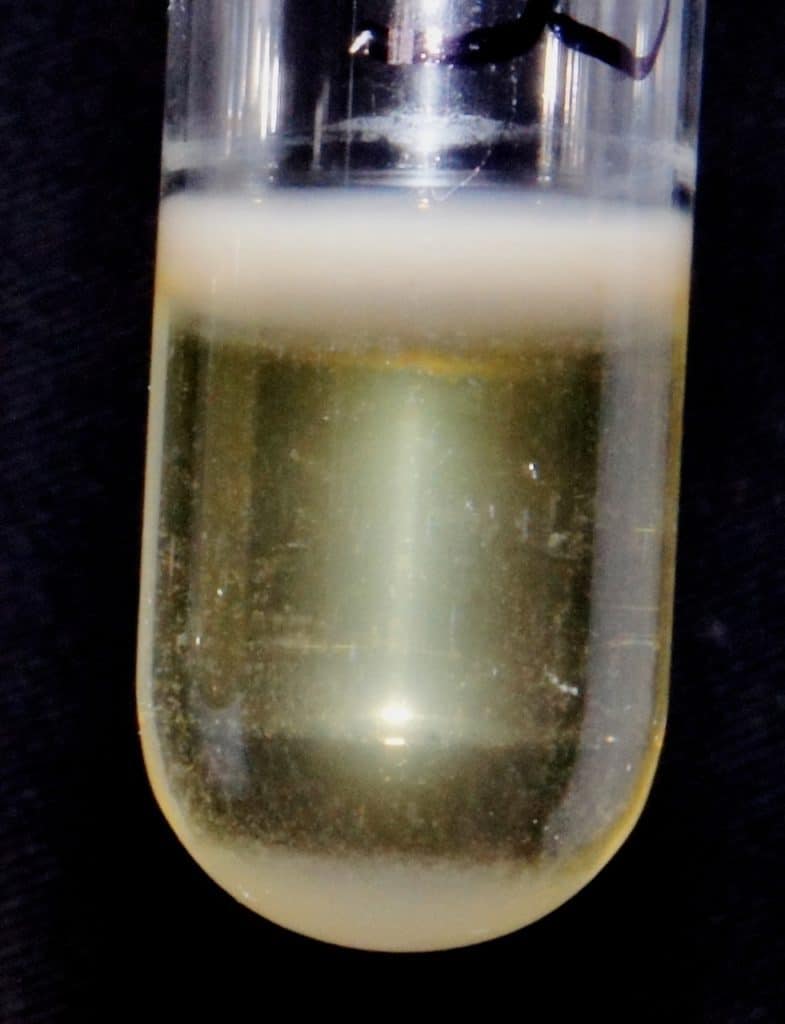
No single agent reliably disrupted biofilm in all tested bacteria, but several were effective against specific species.