BHA Amends Racing Rules on Cobalt, Horse Shoes
The BHA adopted a urinary cobalt threshold of 0.01 micrograms and mandated full sets of shoes for flat turf races.

The BHA adopted a urinary cobalt threshold of 0.01 micrograms and mandated full sets of shoes for flat turf races.

Racetracks in California, Florida, Kentucky, New York, and Ontario have participated since the program began in 2014.
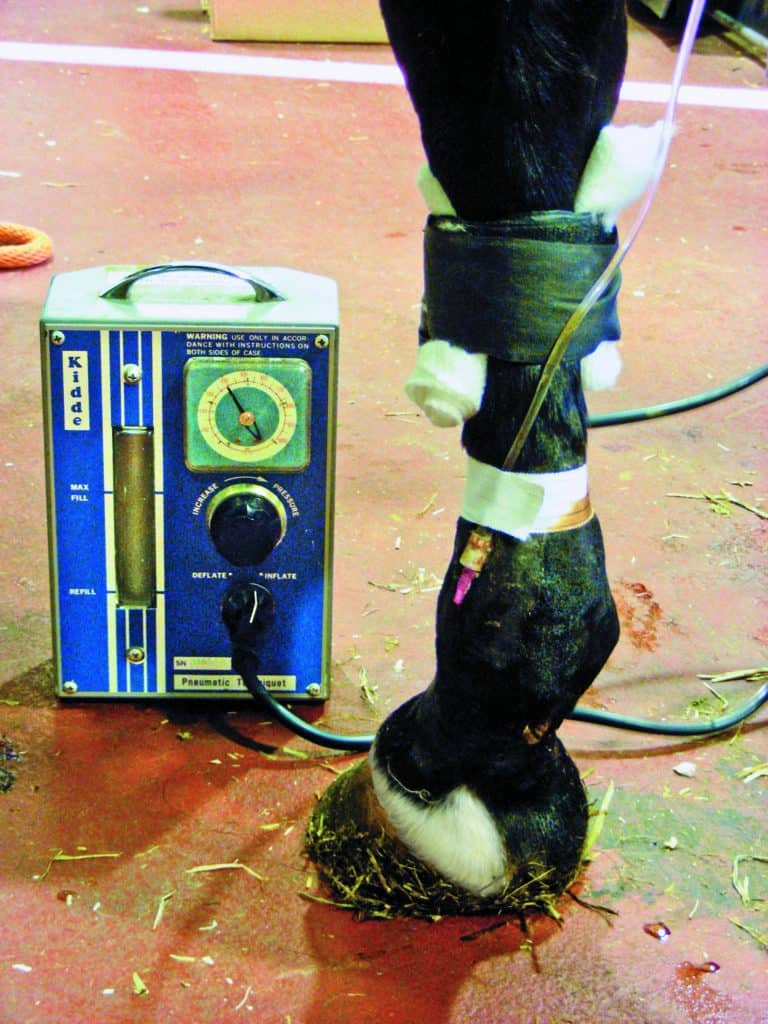
Vets can use amikacin and mepivacaine to safely and effectively treat lower limb injuries in standing, sedated horses.

The board also voted in support of an expanded and more comprehensive out-of-competition drug testing rule.

Is the ointment you’re using on that cut helping or hurting? Remember these tips when treating horse wounds.
Participants learned how to detect, identify, and analyze anabolic steroids and other substances using hair samples.

Veterinarians share their experiences in delivering pain management and discuss the pros and cons of various drugs.

For years veterinarians’ options were limited, but new products are helping them control horses’ pain better than ever.

Studies focused on ophthalmology, gastrointestinal disease, foal medications, pain management, and more.

A recap of studies on topics ranging from prostaglandin treatment of mares to semen quality in stallions.

There are a plethora of non-steroidal anti-inflammatory drugs for horses. Here’s how your vet decides what to use.

Researchers found “remarkably low levels” of E. coli colonization in Sable Island horses’ guts.
The meeting, taking place at the USEF’s annual convention, will focus on drug and medication accountability.

A new rule at Laurel Park requires trainers to report joint injections administered to claimed horses before the race.
Veterinarians worldwide rely on the analgesic to treat animals–including horses–in their care.
Equine Veterinarians Australia says the misuse of cobalt in horses is a serious welfare issue.