Smart Antimicrobial Use in Equine Surgical Settings
Learn why experts are questioning routine antibiotic use in equine orthopedic surgery and how alternative strategies can help reduce infection risk.

Learn why experts are questioning routine antibiotic use in equine orthopedic surgery and how alternative strategies can help reduce infection risk.

Reserve antibiotics in equine reproduction for proven infections, not routine use. Vets should utilize alternative treatments to reduce AMR risk when possible.

To reduce antibiotic use in equine practice, vets should limit prophylactic treatment and prescribe only for confirmed infections.

One expert calls antimicrobial resistance a threat to global horse health. Here’s how equine vets can improve diagnostics and use antibiotics wisely to combat this crisis.

Horse owners need to learn to identify subtle signs of pain in horses. Then owners and veterinarians can help them live more comfortably. Sponsored by Dechra.

Some medications are critical for horses’ health but don’t taste great. Here are tips from an equine nutritionist to encourage them to eat their pills.

Researchers found ciclesonide is effective when treating young racehorses with moderate equine asthma over a short period of time.

Researchers found that a schizophyllan and hyaluronan supplement might help veterinarians and owners manage EGUS.

Many conditions besides colic can cause coliclike signs. And with colic, delayed treatment or misdiagnosis can have serious consequences. Here’s what you need to know.
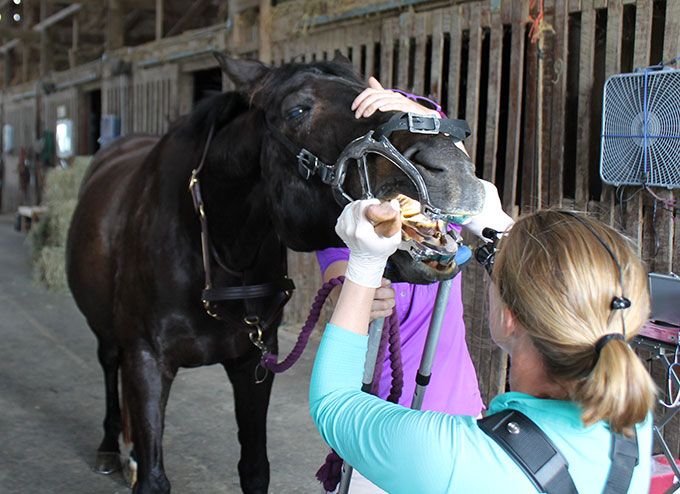
Your veterinarian needs a good look into your horse’s deep, dark mouth to perform a thorough dental exam. The answer? Proper sedation.

Probiotics might help reestablish healthy balances in the horse’s gut microbiome without causing harm.

Researchers believe this dewormer might still be effective in horses with PPID, formerly known as equine Cushing’s disease, despite their altered immune function.

Here’s how you and your veterinarian can be good antimicrobial stewards and preserve the long-term efficacy of antibiotic use in horses.

Researchers believe this product could serve as an alternative to conventional antibiotics, helping combat antibiotic resistance.

Antimicrobial-resistant infections continue to challenge veterinarians and compromise horse health. Here’s what practitioners are doing to curb it and how you can help.

Throughout the week, learn how to use antimicrobials to control harmful bacteria in horses safely. Brought to you by W.F. Young.