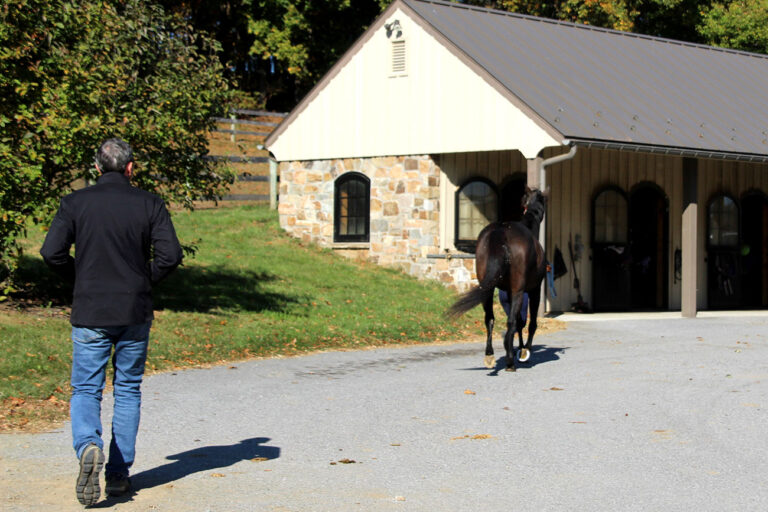
Responsible Use of Antibiotics in Equine Reproduction
Reserve antibiotics in equine reproduction for proven infections, not routine use. Vets should utilize alternative treatments to reduce AMR risk when possible.

Reserve antibiotics in equine reproduction for proven infections, not routine use. Vets should utilize alternative treatments to reduce AMR risk when possible.

To reduce antibiotic use in equine practice, vets should limit prophylactic treatment and prescribe only for confirmed infections.

One expert calls antimicrobial resistance a threat to global horse health. Here’s how equine vets can improve diagnostics and use antibiotics wisely to combat this crisis.

Dr. Katie Ellis and Dr. Howland Mansfield discuss what imaging modalities veterinarians might use to accurately diagnose joint disease in horses.

Horses with EMS are often overweight or obese and also at an increased risk of developing laminitis. Implement these 5 strategies to manage your EMS horse more effectively.

Consider these 4 behavior-science-based approaches to help your horse load safely.

Horse owners need to learn to identify subtle signs of pain in horses. Then owners and veterinarians can help them live more comfortably. Sponsored by Dechra.

Some medications are critical for horses’ health but don’t taste great. Here are tips from an equine nutritionist to encourage them to eat their pills.

Review how CEM spreads between horses, the most recent outbreaks, and biosecurity measures to prevent outbreaks in breeding and other horses.

Owner-provided information and a thorough lameness examination can help veterinarians start meaningful investigations into front foot lamenesses.

Although horses have long been exposed to the virus, its rare detection in a Pennsylvania horse is not currently a reason for concern.

An equine nutrition expert addresses toplines, horse protein needs, and if whey is the way to go.

Consider the benefits of including veterinarians in your horse’s preventive care this spring.
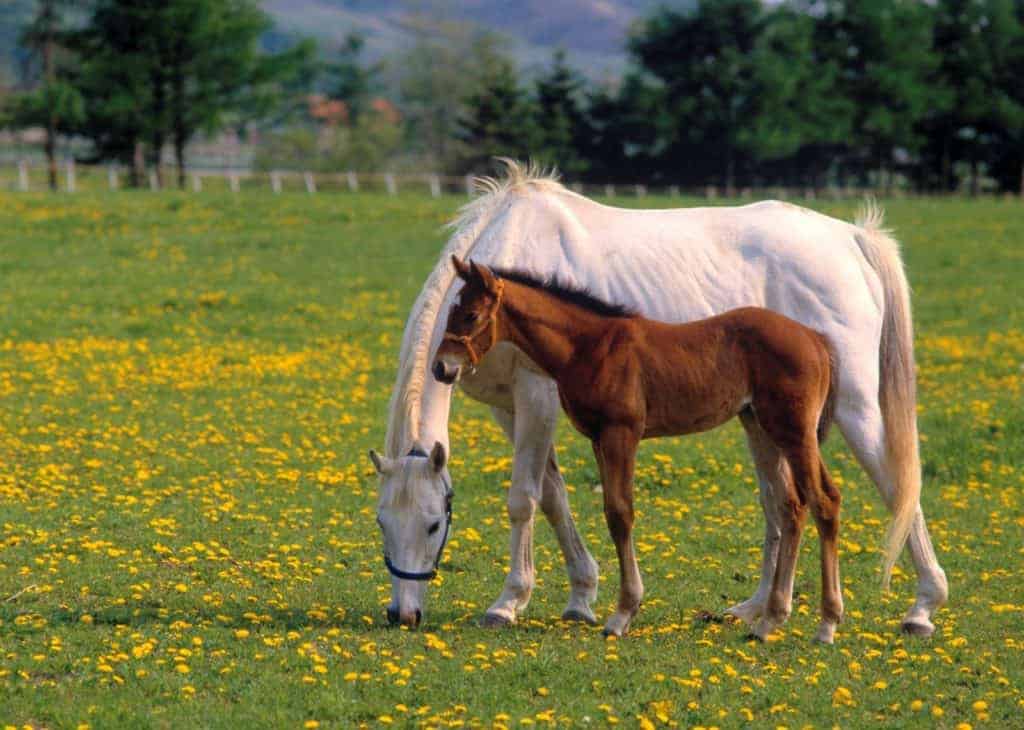
Learn how to adjust your mare’s diet to support a healthy pregnancy, ensure adequate milk production, and maintain her body condition during this critical time.

Learn how to tailor your mare and foal’s feeding program from late pregnancy to weaning with expert guidance.

Two equine biomechanics researchers share insight on how to properly use equine training aids such as elastic bands, longeing systems, and various rein rigs.