Study: Treating Moderate Equine Asthma With Ciclesonide
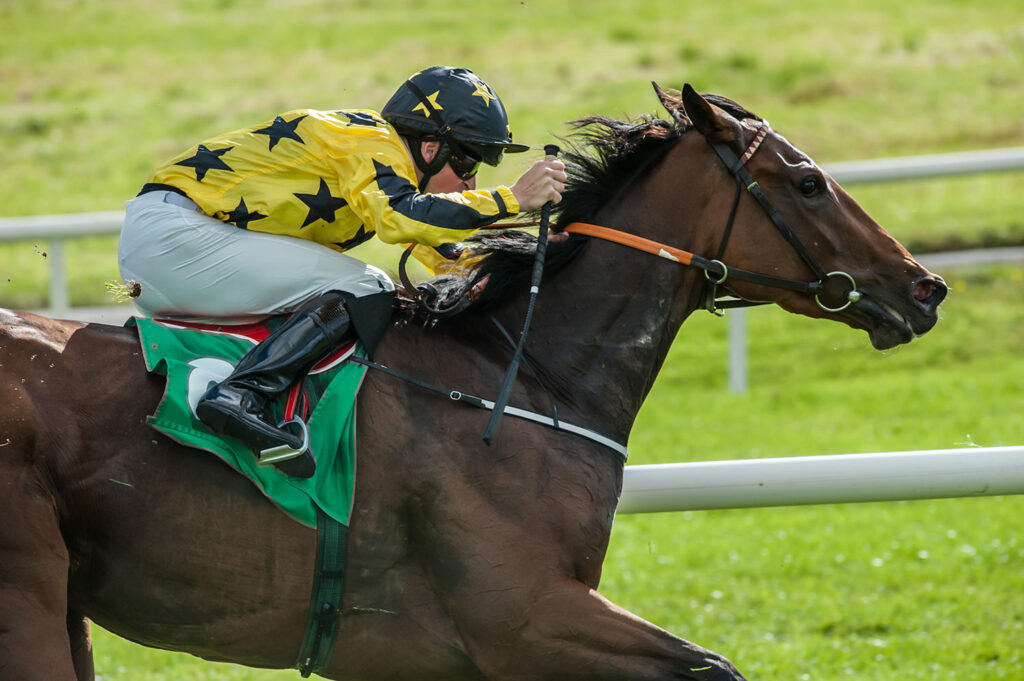
Researchers found ciclesonide is effective when treating young racehorses with moderate equine asthma over a short period of time.

Researchers found ciclesonide is effective when treating young racehorses with moderate equine asthma over a short period of time.

Testing asymptomatic horses for EHV-1 at equestrian events is crucial for early detection and preventing potential outbreaks.

Researchers found that a schizophyllan and hyaluronan supplement might help veterinarians and owners manage EGUS.

Researchers are currently working to develop an RNA vaccine for EHV-1 and -4. Here’s what they know so far.

A USEF veterinarian shares important biosecurity information for those planning to host or attend competitions this year.

The new vaccine in development paves the way for more effective immunization against the diarrhea-inducing virus in equine neonates.
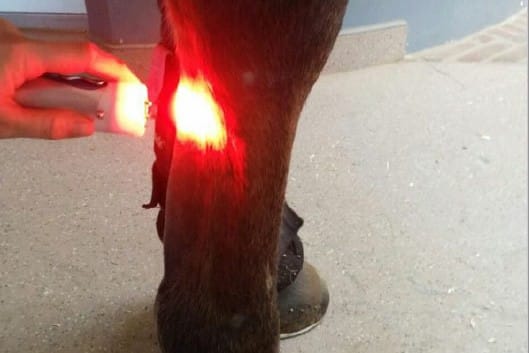
Learn more about Class IV laser treatments, the current research, and opportunities for further advancement.

Horses give us plenty of cues when they’re dealing with early illness. To help you recognize them and intervene accordingly, here is a 10-point list of warning signs.

Should you adjust your horse’s diet if he will have time off during winter? What changes are safe to make? An equine nutritionist explains.

A horse’s ridden or competitive career doesn’t have to end after an osteoarthritis diagnosis. Two experts share tips for conditioning these animals.

Researchers in the U.K. say finances, emotion, and logistics all affect the outcome in cases of severe colic in horses.

Dr. Patty Graham-Thiers describes the safest ways to help a horse lose weight without overrestricting his forage intake and increasing his risk of gastric ulcers.
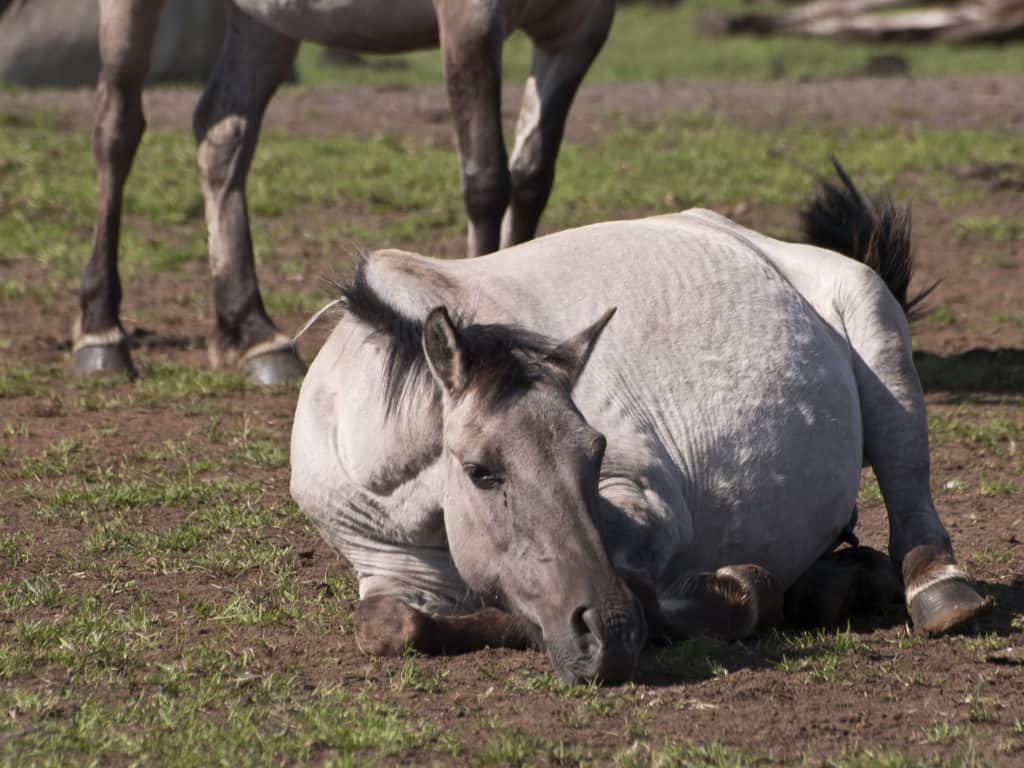
Many conditions besides colic can cause coliclike signs. And with colic, delayed treatment or misdiagnosis can have serious consequences. Here’s what you need to know.
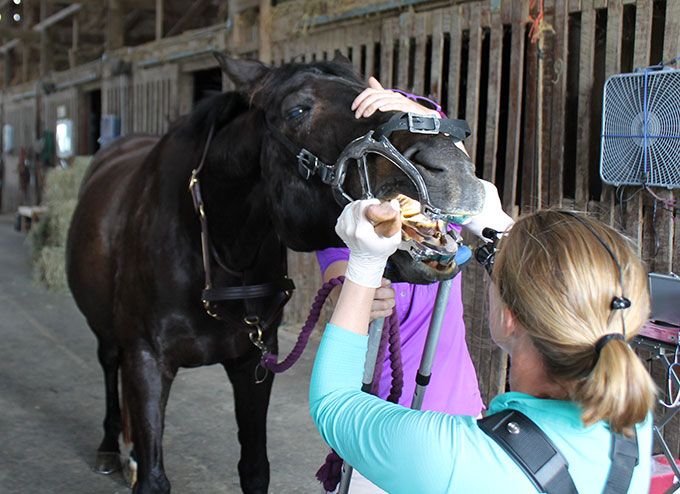
Your veterinarian needs a good look into your horse’s deep, dark mouth to perform a thorough dental exam. The answer? Proper sedation.

When faced with the decision of whether or not to send your senior horse into colic surgery, consider these factors.

Dr. Kelly Vineyard describes the best ways to help an older horse with poor dentition gain weight without putting him at risk of choke or GI problems.