Law Panelists Note Progress in Racehorse Drug Reform
Panelists said public perception is based on biased representation by press and industry organizations.

Panelists said public perception is based on biased representation by press and industry organizations.

The Jockey Club recommended that all U.S. racing jurisdictions pledge to adopt a uniform medication program.
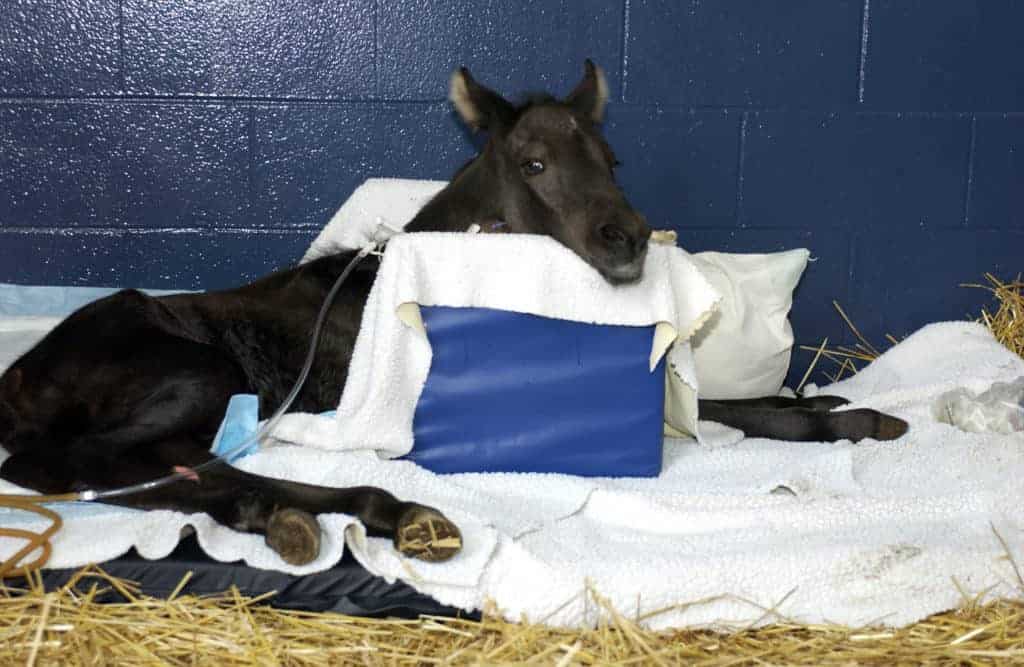
Dr. Chris Sanchez reviews recent top research papers published focusing on foal health.
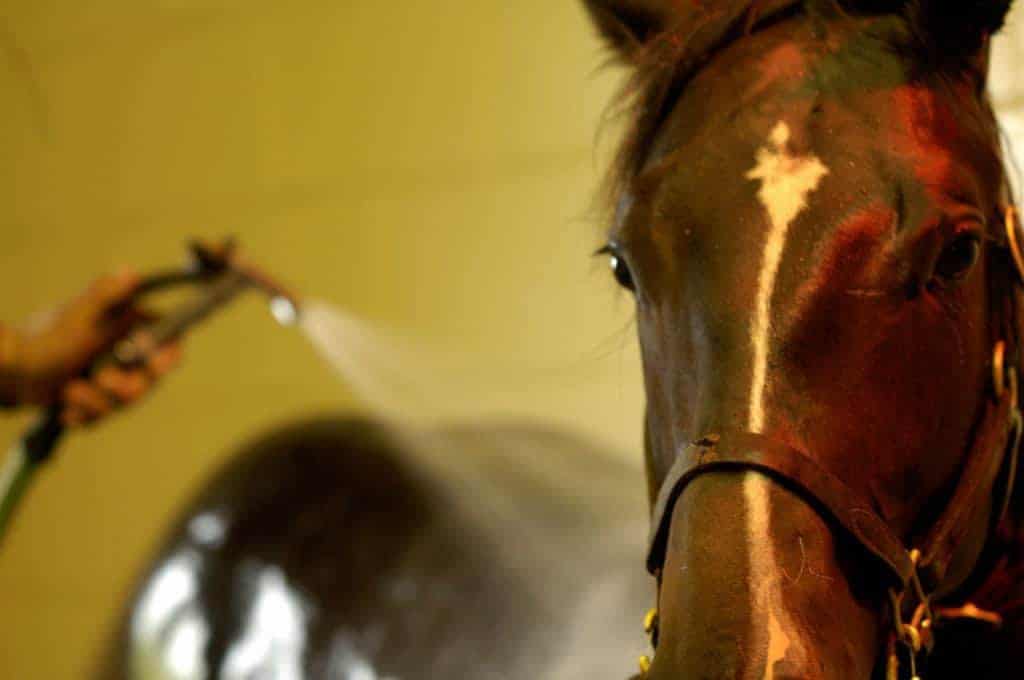
What are some signs that a horse has overheated?
The genetic integrity of North American-bred horses doesn’t seem to have been affected by race-day medication.

The Jockey Club will provide funds to some racing jurisdictions to step up out-of-competition drug testing.
The BHA concluded its investigation into “Sungate,” a veterinary product which contains an anabolic steroid.

A total of seven horses have tested positive for EEE in North Carolina thus far in 2013.

Many of horse racing’s top owners again pledged to race their 2-year-olds without race-day medication.
RCI voted to approve model rules that create a points system and enhanced penalties for drug violations.

Reflective equipment use doesn’t appear to affect the occurrence or absence of near misses with traffic.

Did you know the rate of death for horses under general anesthesia is 100 times greater than humans? Horse size and history makes a difference. Learn that and more about field anesthesia from specialist Dr. Nora Matthews of Texas A & M.
The policy requires horses attending “hendra vaccinated events” to be fully vaccinated against the virus.

Two unvaccinated horses residing in western Idaho have tested positive for West Nile virus (WNV).
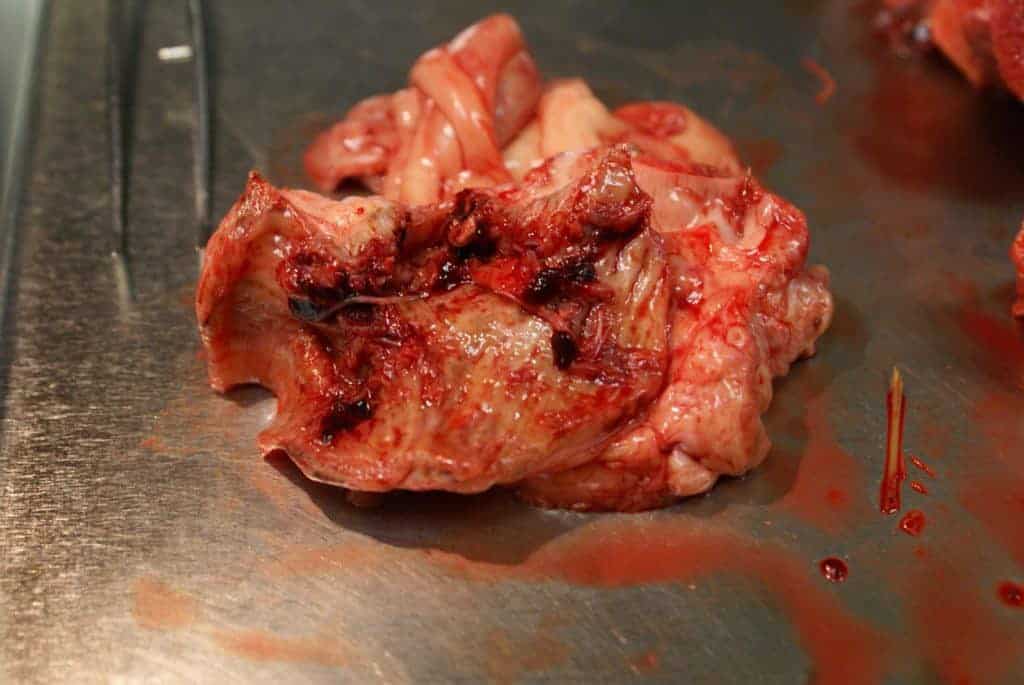
Strongylus vulgaris (the bloodworm) is the most pathogenic parasite infecting horses worldwide.
An official explains why confidentiality is used when setting medication thresholds and withdrawal times.