Biosecurity for Hospitals and Horse Farms
When a horse is sick, good biosecurity could mean the difference between an isolated infection and an epidemic

When a horse is sick, good biosecurity could mean the difference between an isolated infection and an epidemic

The Derby winner was cleared for exercise after undergoing surgery for a hairline fracture in his left hock.

Grazing muzzles can be effective at reducing pasture intake, sometimes reducing intake by as much as 85%.
Some important medical conditions are being overlooked by some owners and caretakers of geriatric horses.
My horse will be hauled to a state affected by the recent equine EHV-1 outbreak. Should I be concerned?
My horse has a swollen 24-inch “vein” on the middle of his underbelly and all the way up to his genitals…

The second year of a horse’s life brings significant changes not only in his development but also his use.
Protecting a foal from infectious diseases begins before birth.
When a horse needs surgery, what’s his prognosis for a full recovery? What problems can occur during recovery?

Choosing the right mats and/or bedding for your barn will help keep horses comfortable and stalls clean.

A number of air quality factors in barns can make it harder for your horse to breathe, compromising his health and performance.
Gluck Equine Research Center’s Dr. John Timoney co-authored a paper on vaccines for Streptococcus equi.
Tune in on September 1 for an Ask the Vet LIVE online Q&A about Avoiding Respiratory Problems in the Barn.

Mapping airborne particles in horse barns could help minimize the risk and/or prevalence of airway disease.
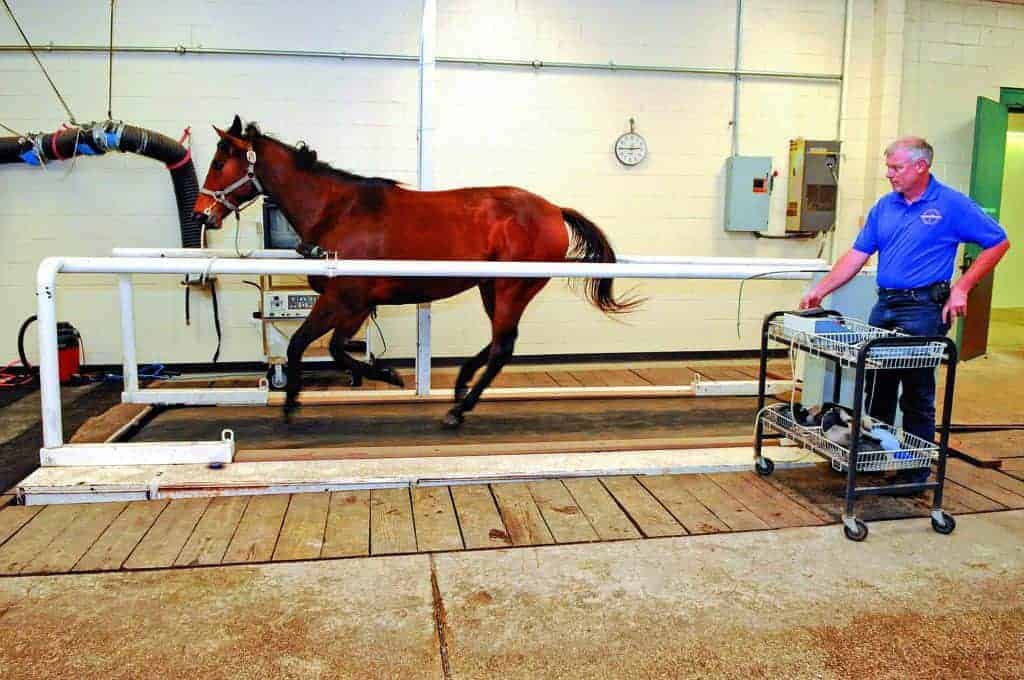
Researchers determined that few injuries occur to horses during treadmill exercise.
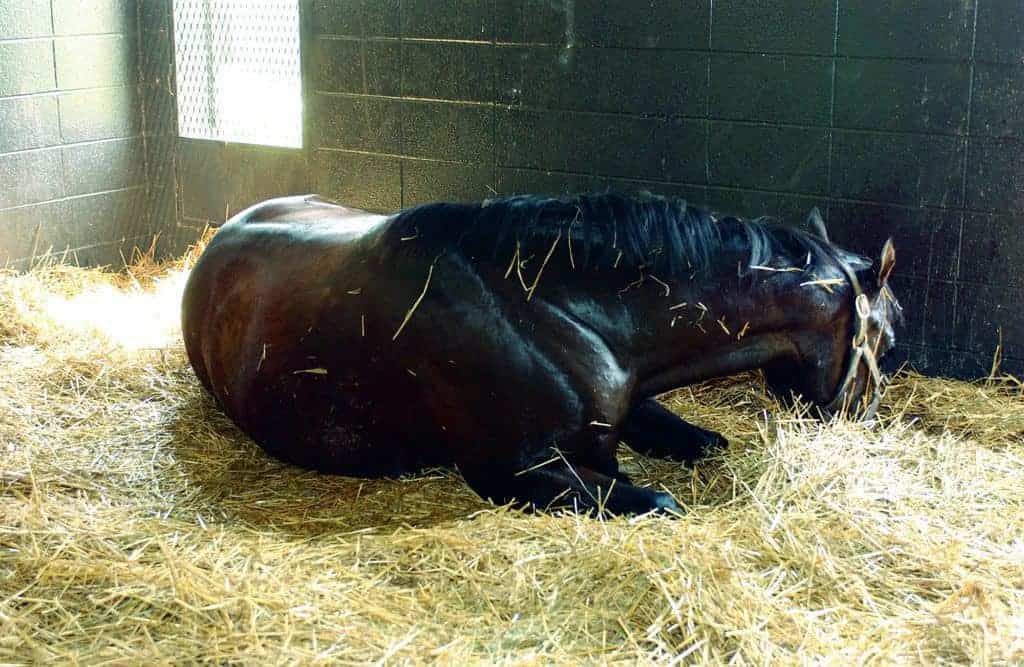
What are the most important things to consider and employ when dealing with a horse affected by chronic colic?