Summer Riding: When the Rider is Hot, the Horse is Hotter
A hot humid day. One rider. One horse. Both are exercising at a moderate level. Who is more likely to overheat?

A hot humid day. One rider. One horse. Both are exercising at a moderate level. Who is more likely to overheat?
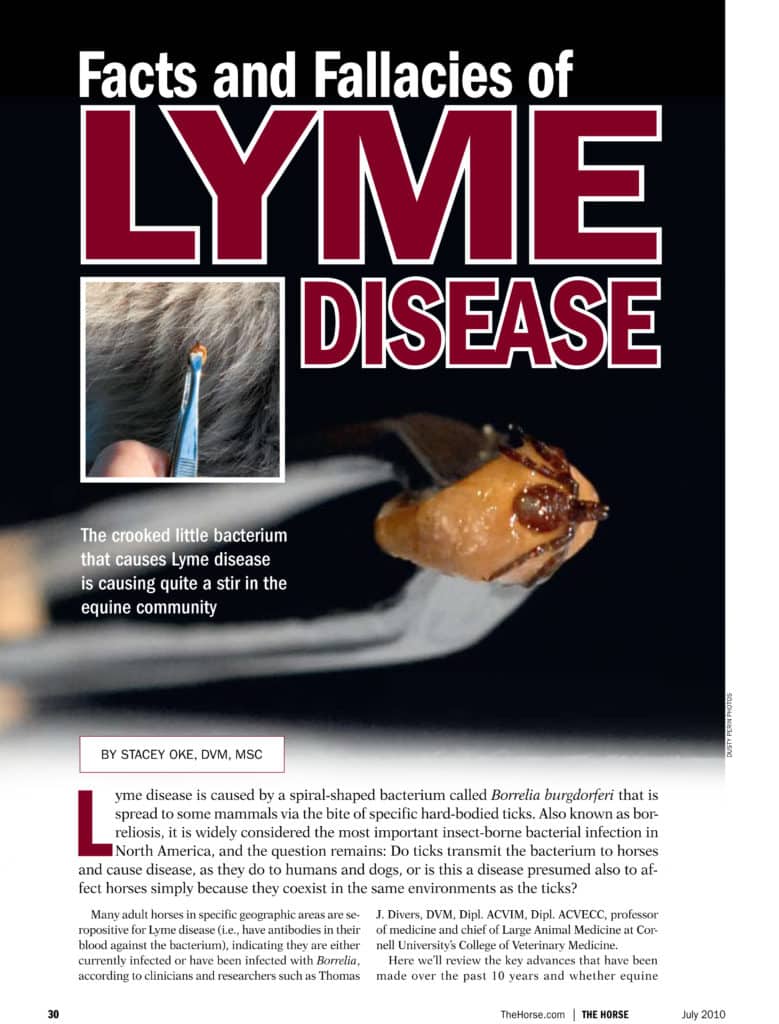
Lyme disease is caused by a spiral-shaped bacterium called Borrelia burgdorferi that is spread to some mammals via the bite of specific hard-bodied ticks. Also known as borreliosis, it is widely considered the most important insect-borne bacterial infection in North America. But it is unknown whether ticks transmit the bacterium to horses and cause disease or because the two coexist.
We’ve all heard the statistics about an aging America. The elderly represent the fastest growing-proportion of the U.S. population. In recent years horses have experienced a similar population shift.
A large portion of the equine population (about 15%) is composed of horses older than 20 and, even at this age, many remain actively involved in equestrian sports, reproduction, or as companion

Discussion of equine medication use and compounding concerns with pharmacist Scarlet Thomas.
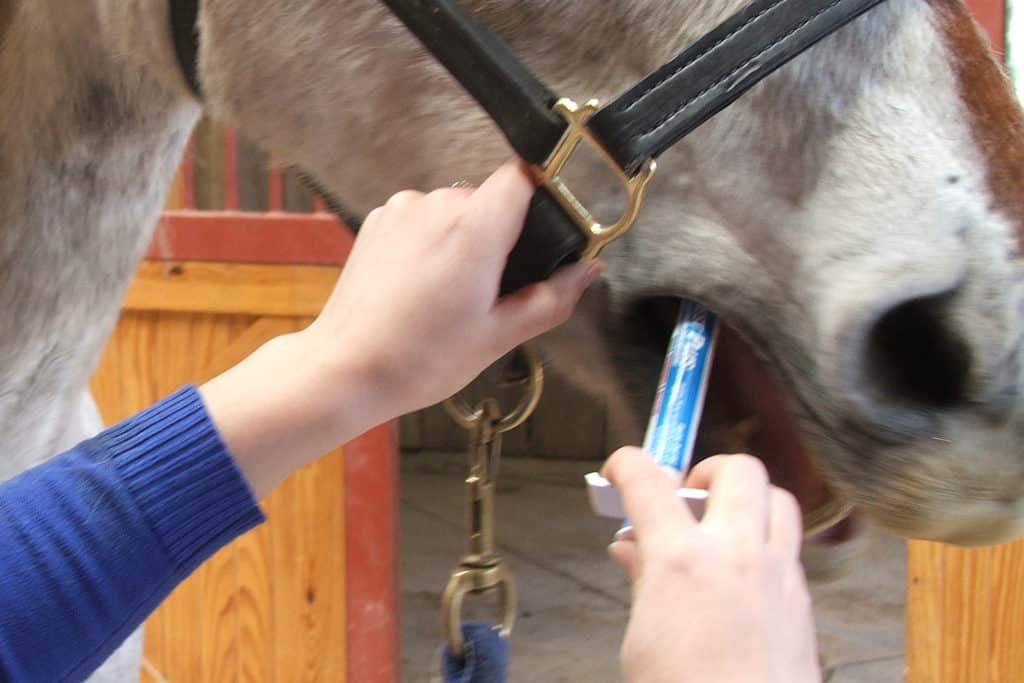
Discussion of the changing recommendations for horse deworming strategies (focusing on strongyles) and how you can help prevent resistance to dewormers.
Therapeutic drugs such as antibiotics, anti-inflammatory and pain relief medications, anesthetics, and antiparasitic drugs can dramatically improve the health and well-being of horses. However, many horse owners are unaware that virtually all drugs can cause unintended side effects, or adverse effects, that sometimes can be serious.
It is important to thoroughly clean and disinfect stalls where mares foal. Disinfectants such as phenolic compounds will kill rotavirus, as well as salmonella, R. equi, and other equine pathogens.
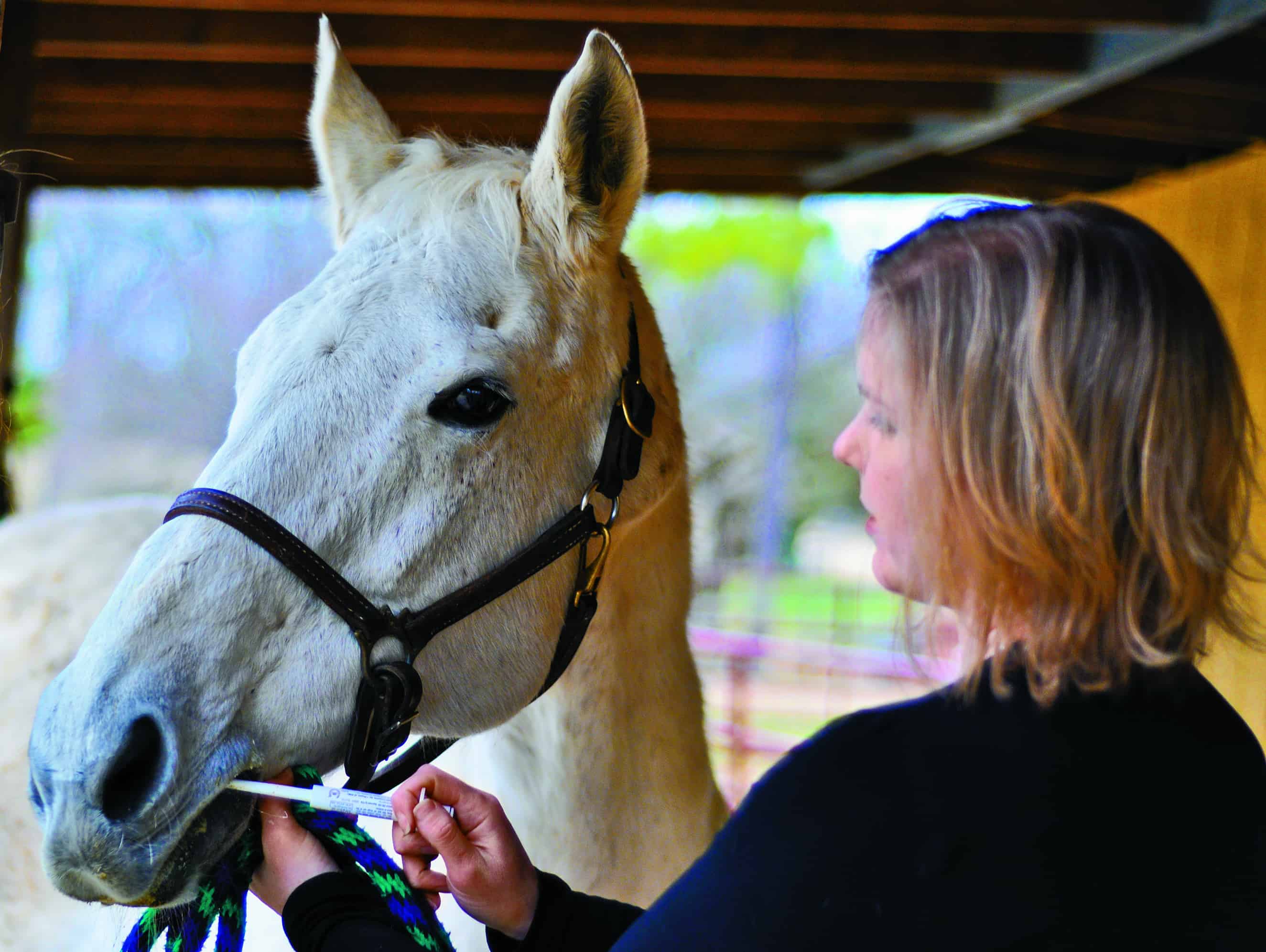
How do you battle parasites in your horses despite increasing resistance to common deworming medications?
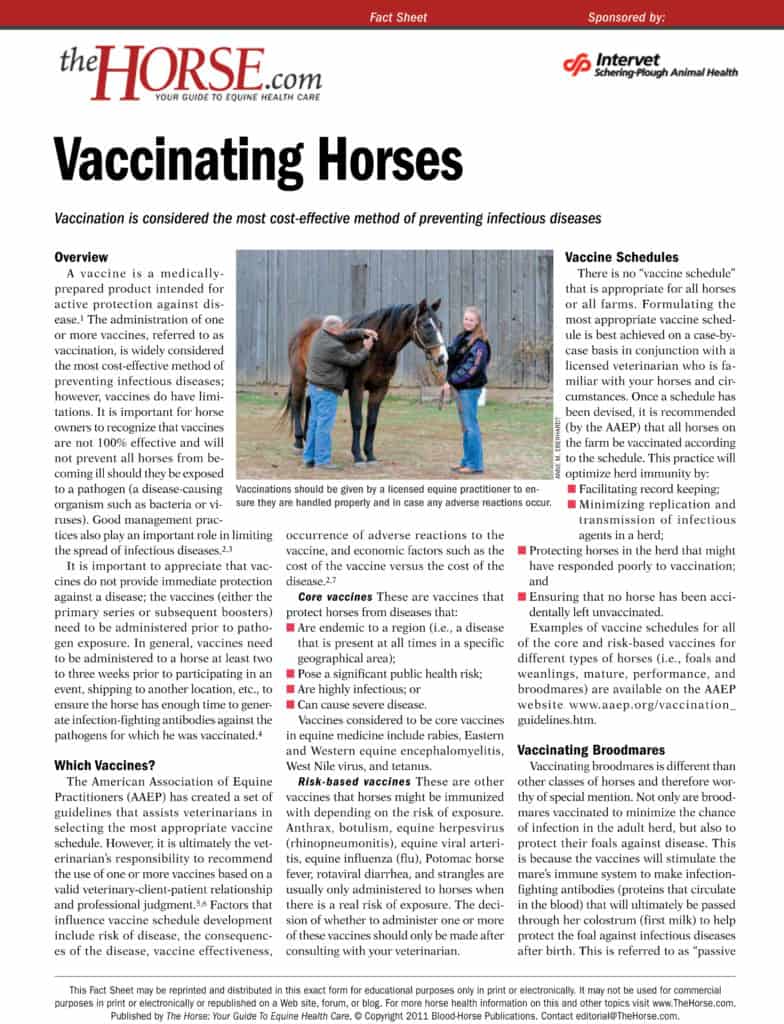
Vaccinating horses is generally considered to be the most cost-effective method of preventing infectious diseases; however, vaccines do have limitations.

The term “easy keepers” refers to horses and ponies that maintain or gain weight on a minimum amount of food.

Equine joint injections can help veterinarians diagnose lameness or medicate a horse’s painful joint.

Cloning is defined as the process of creating a genetically identical copy of another cell or organism (i.e., bacteria, plant or animal) through non-sexual means.

In veterinary medicine, particularly equine practice, the recognition, classification, management, and overall importance of pain and pain management have only recently been described.

After a snowy winter, temperatures in Central Kentucky are seasonably warm once again. Grass is green, birds are singing, and equine parasites are stirring back to life. This is the time of year when horse owners and farm managers become aware of worms and make plans to combat them.
For horse owners and others who care for horses, recognizing the differences between what is normal and what is abnormal about them forms the basic foundation for good animal husbandry and veterinary medicine.