Common Colic Questions
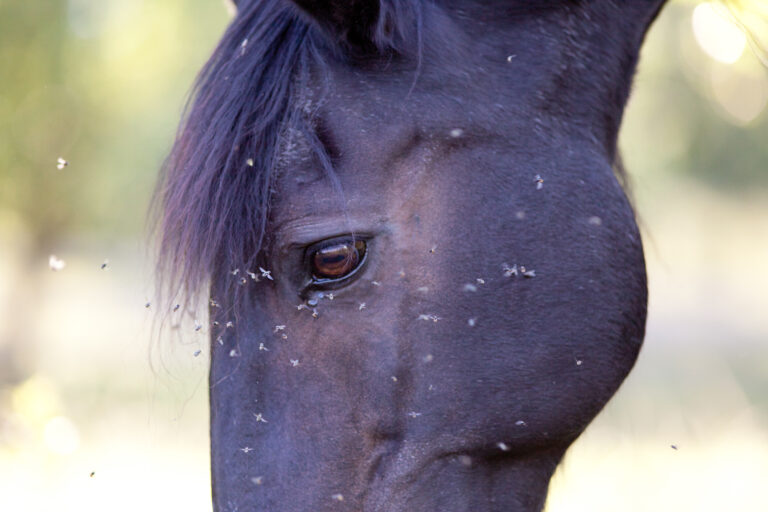
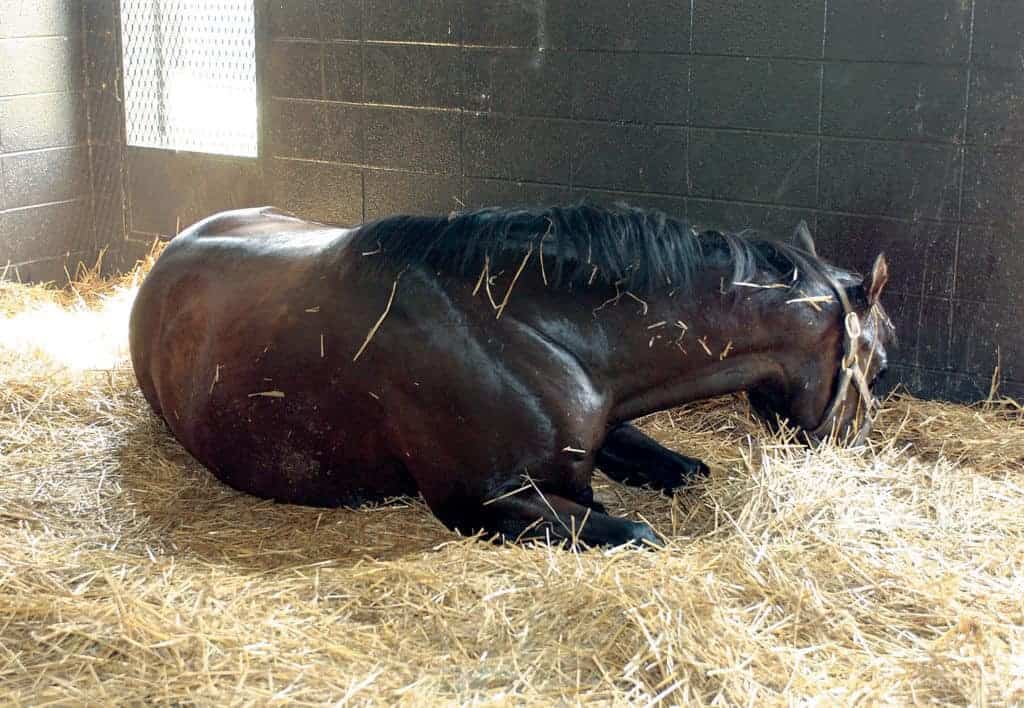
All about equine colic, from when to call the vet to how well horses recover from surgery.

All about equine colic, from when to call the vet to how well horses recover from surgery.
UK Healthcare, in partnership with University of Kentucky colleges of Agriculture and Public Health and 40 community, equine, and medical organizations, continues its five-year educational campaign, Saddle Up Safely, with the development of a horse-related injury brochure.

Learn how the United States is safeguarding its horse population against foreign diseases with quarantine protocols for World Equestrian Games equine athletes.
Castration is one of the most common surgical procedures that equine veterinarians perform day in and day out. Although the procedure is relatively simple, it does come with a high amount of complications.
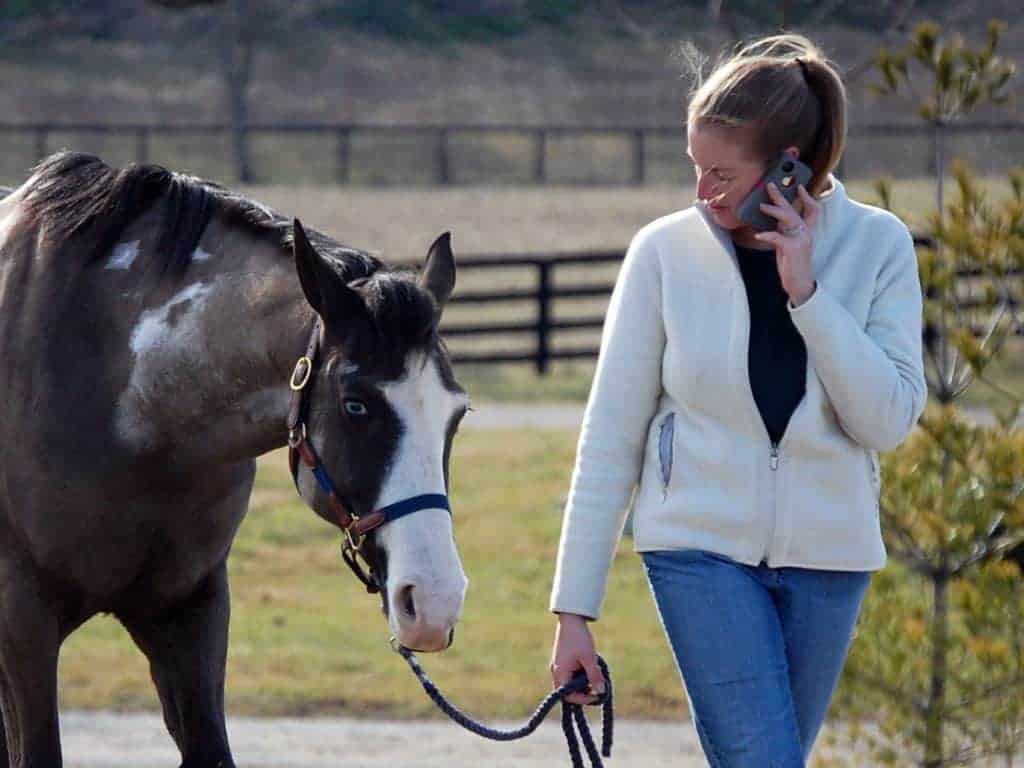
It’s important an owner knows how to help his or her injured horse until the veterinarian arrives.
The movement of horses internationally is underscored with the upcoming Alltech FEI World Equestrian Games (WEG) Sept. 25-Oct.10 at the Kentucky Horse Park.
Being familiar with your horse’s normal resting temperature, pulse, and respiration rates (TPR) help you recognize when things are abnormal. The TPR vitals help you determine “how abnormal.”

From arena footing to walking paths, the Kentucky Horse Park improvements put the horse first.
A recent study by University of Kentucky researcher Mary Rossano, MS, PhD, assistant professor in Animal and Food Sciences, suggests that two commonly-used dewormers (fenbendazole and moxidectin) might no longer be as effective against small strongyles as once thought.

Quarantine, confinement, and stress can affect World Equestrian Games (WEG) horses.
Since you can’t tell your horse to “Take a deep breath,” listening to your horse requires some technique to hear lung sounds.
The crooked little bacterium that causes Lyme disease is causing quite a stir in the equine community.
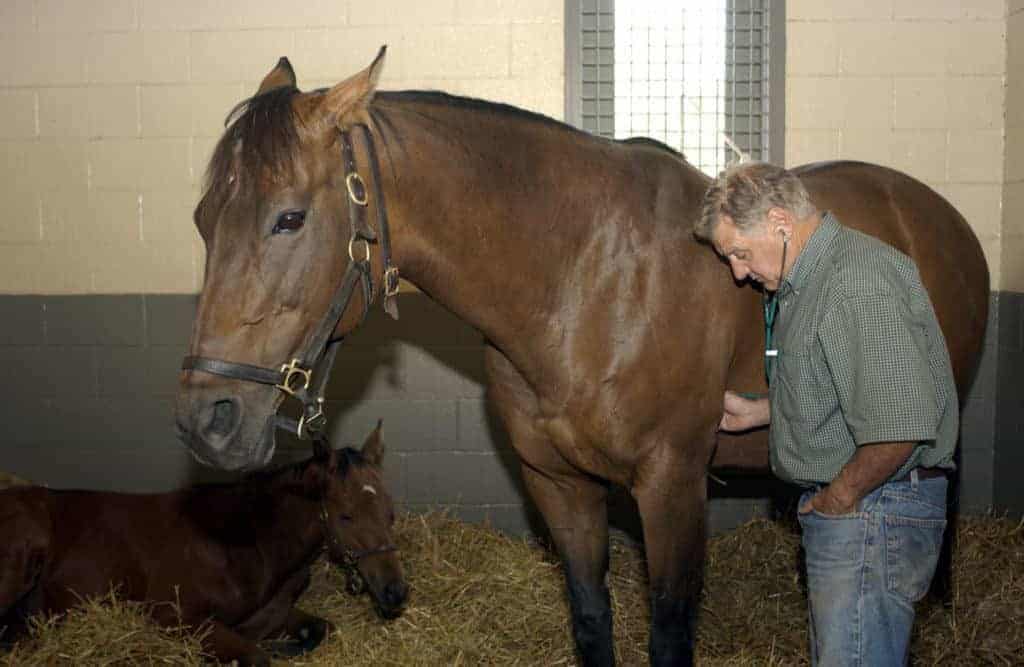
Knowing how to identify abnormalities in your horse’s heart rate and rhythm will help you and your veterinarian treat him or her when illness strikes.
Unlike heart and respiratory rates, abdominal sounds do not punch a specific time clock for generating “gut sounds.” The rhythmic peristaltic churning of food mixed with fluids within the gut varies in slower waves depending on meal time, the meal itself, and the level of activity. You don’t actually “time” bowel sounds, but you do want to know if they are present.
According to a research group based in Australia, if you feed your horse spores of the fungus Duddingtonia flagrans, the spores pass harmlessly through the digestive tract and are deposited in the feces along with eggs shed by adult intestinal parasites.
An adverse event can be broadly defined as an undesirable occurrence after the use of a vaccine, drug, animal device, insecticide, medicated feed, etc. Multiple federal agencies are involved in taking reports of adverse events in animals, which can make it difficult for owners and veterinarians to easily notify the appropriate agencies. Adverse reactions can range from a minor swe