Tips for Maintaining Your Horse’s Weight This Winter
Learn about the importance of hydration, fiber, and caloric intake during the winter months.

Learn about the importance of hydration, fiber, and caloric intake during the winter months.

A once-heavy senior horse is struggling to hold condition after dental work. Our nutritionist weighs in.

The cross-country phase of eventing comes with risk, but new research aims to keep horses and riders safer.

Knowing how to look inside your horse’s mouth safely can help you catch problems early.

On or off? Hot or cold? Lightweight or heavyweight? We’ll answer these questions and more.

A veterinarian describes how he formulates a rehabilitation plan for a horse recovering from an injury.
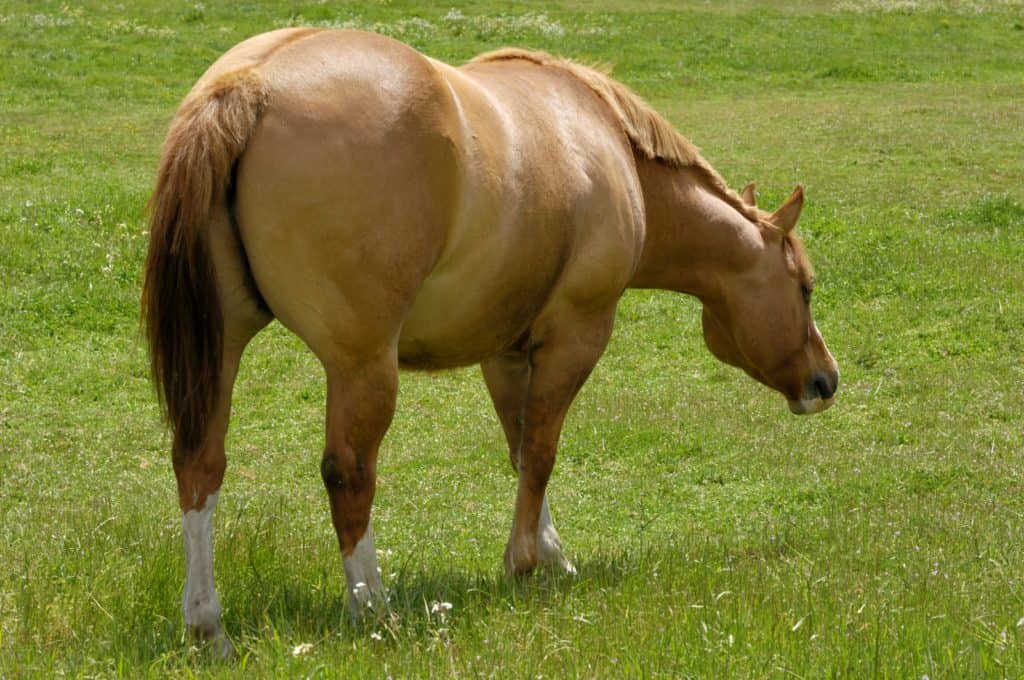
Using a focus-on-forage approach, a veterinarian specializing in equine nutrition explains how she plans a diet for easy keepers.

Practitioners use electrotherapy methods ranging from vibration and lasers to shock wave in equine injury rehabilitation.

A veterinarian explains how to increase a horse’s weight safely.

Controlled exercise, as discussed with your veterinarian, can be part of a successful rehabilitation program.

Equine hydrotherapy generally allows for patient-specific approaches to rehabilitation and training.

Learn about the diseases veterinarians recommend protecting your horse against and how vaccination could save your horse’s life.

Researchers tested a vaccine model that could help them develop effective protection against equine hepacivirus.

Your horse’s diet and gut health could play a role in his immune response, though age, stress, and obesity are likely bigger factors.
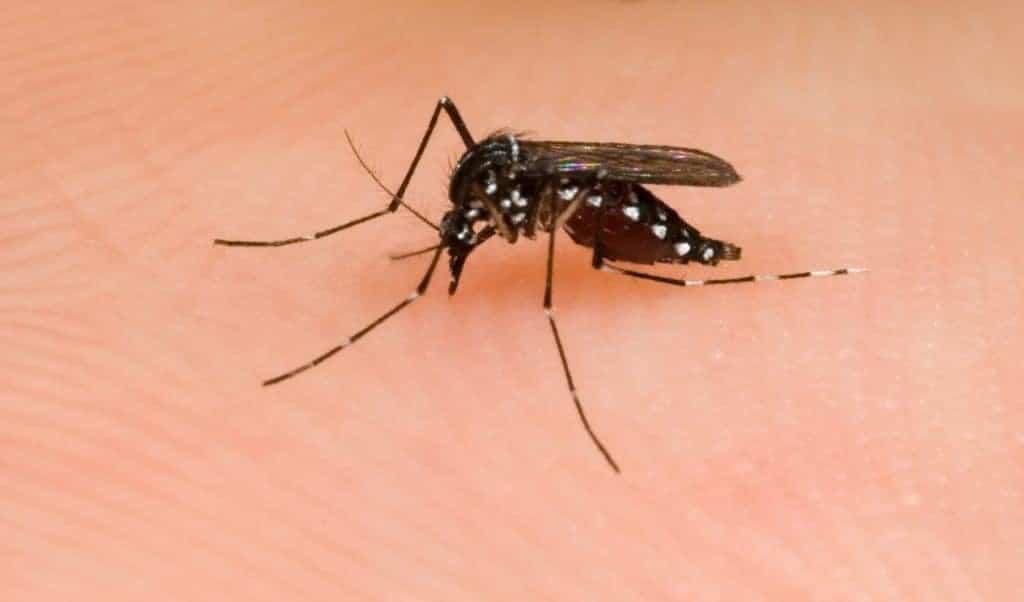
West Nile virus is still a threat to horses, but veterinarians say vaccination rates are down.

Determining exactly which vaccines a horse needs can be confusing. Here are some basic do’s and don’ts to make sure you’re providing the disease protection your horse needs.