Soft Tissue Injury Awareness Week, Sponsored by Butterfly
Look for educational information about soft tissue injuries in horses on TheHorse.com starting November 21.

Look for educational information about soft tissue injuries in horses on TheHorse.com starting November 21.
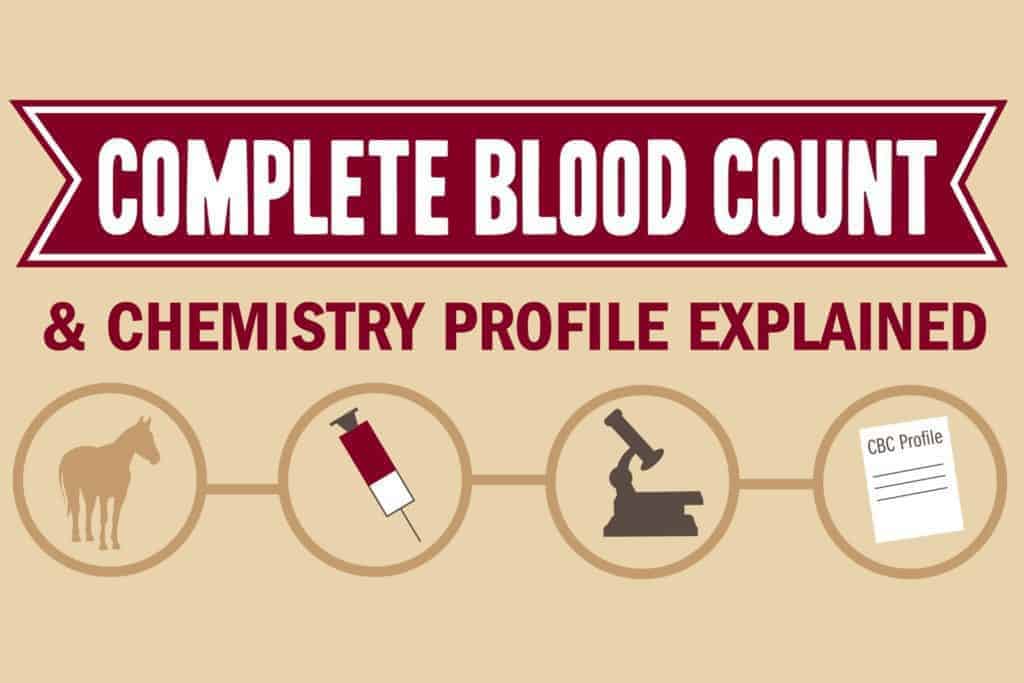
This step-by-step graphic will guide you through your horse’s blood test results.

Keeping donor and recipient mares in moderate body condition might improve survival rates of transferred embryos.

Time is life for a foal. Here’s a look at the top causes of illness in newborn foals and how to manage a sick foal.

Is my horse at risk of catching pigeon fever from another horse at my trainer’s barn?

Learn about the signs of pain in horses—and how sedation can help—in this archived podcast.
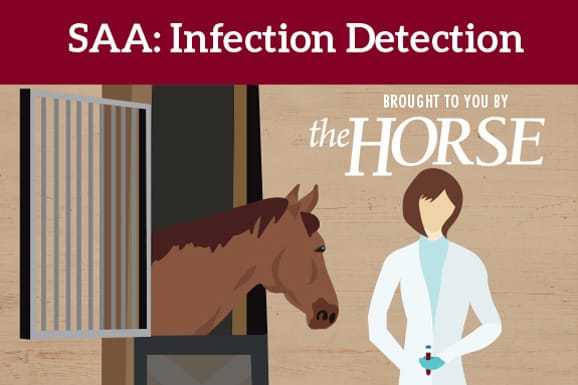
Learn about serum amyloid A and how veterinarians can use it for early identification of inflammation in horses.

The key concepts behind 6 orthobiologics available to equine veterinarians.
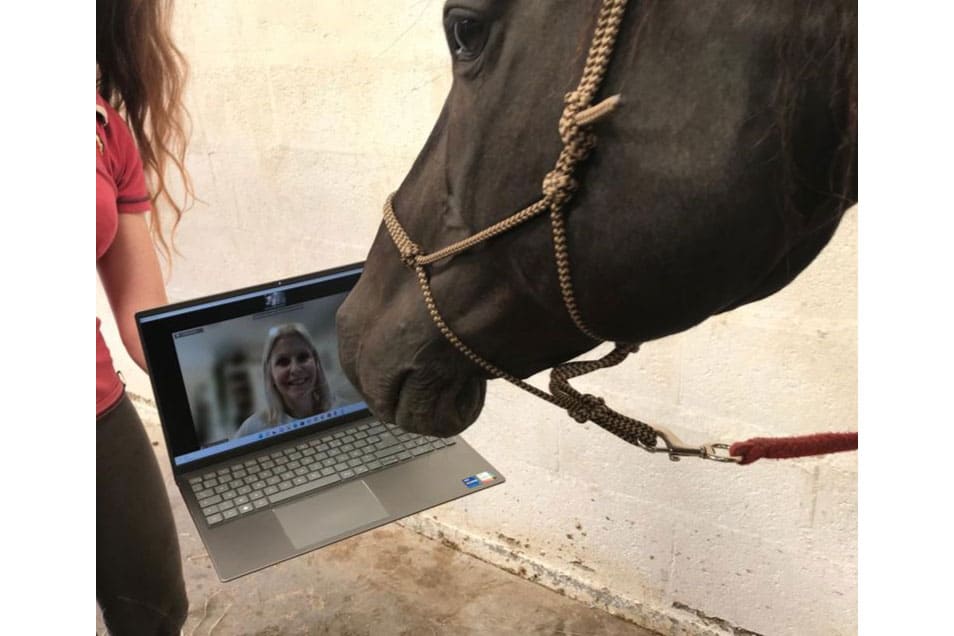
Christa describes equine nutrition challenges during her cross-country trip on horseback from Paris to Florence.

If you house your horses in a barn, keeping it well-ventilated is an essential part of their care.

Keep dust to a minimum in arenas, barns, and paddocks for both aesthetic and health reasons.

Aging mules and donkeys need to be managed just as carefully as horses. Here’s what you need to know.

Here’s what researchers know about the use of bisphosphonates and future opportunities for further investigation.

Take a look at five common body clipping patterns used on horses.

An equine nutritionist explains how to make sure your summertime easy keeper remains healthy this winter.

Horses with injured stifles have the best chance of returning to full work following a scientifically planned rehabilitation process.