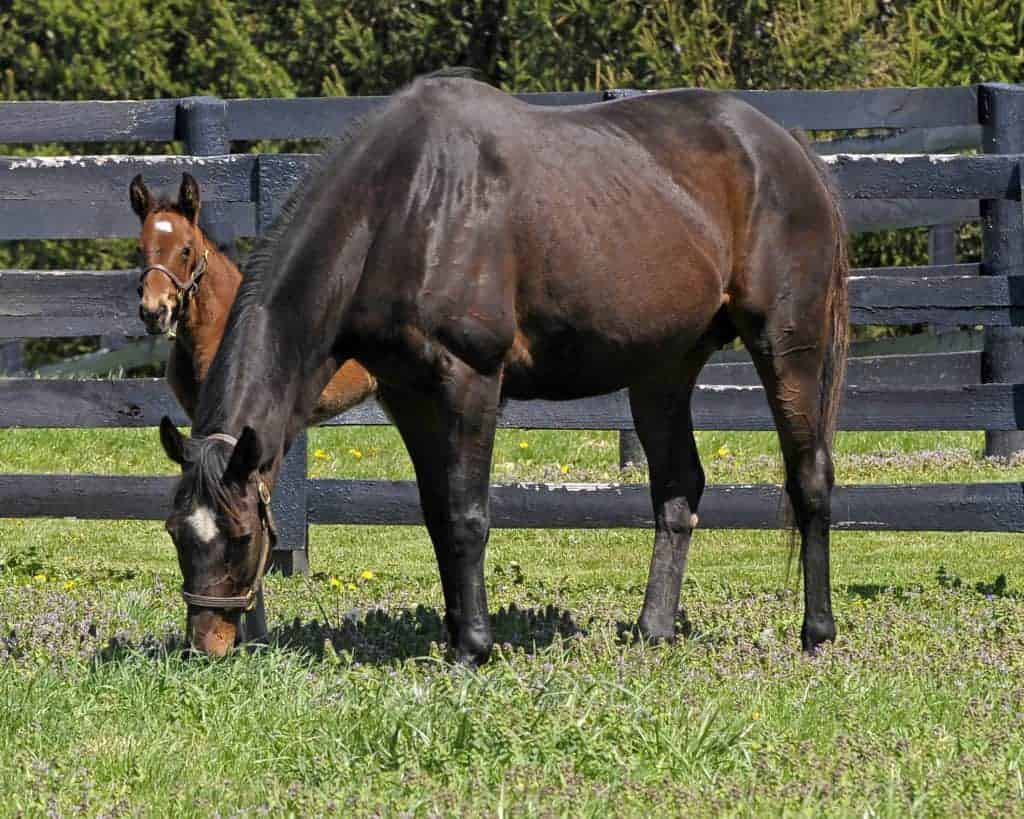
Treating Endometritis in Horses
Learn how two experts treat endometritis—an inflammation of the uterine lining and the leading cause of infertility in broodmares—in this Ask TheHorse Live excerpt.

Learn how two experts treat endometritis—an inflammation of the uterine lining and the leading cause of infertility in broodmares—in this Ask TheHorse Live excerpt.

Dr. Jena Ward describes how veterinarians determine if a mare is fit for breeding.

Horses are expensive, but you can use these strategies to forecast expenses without sacrificing compassionate care.

Dr. Carleigh Fedorka explains why veterinarians might have trouble getting a mare pregnant.

Smart storage of hay, feeds, meds, and gear can help keep horses safe, prevent waste, and reduce fire, pest, and injury risks in the barn.
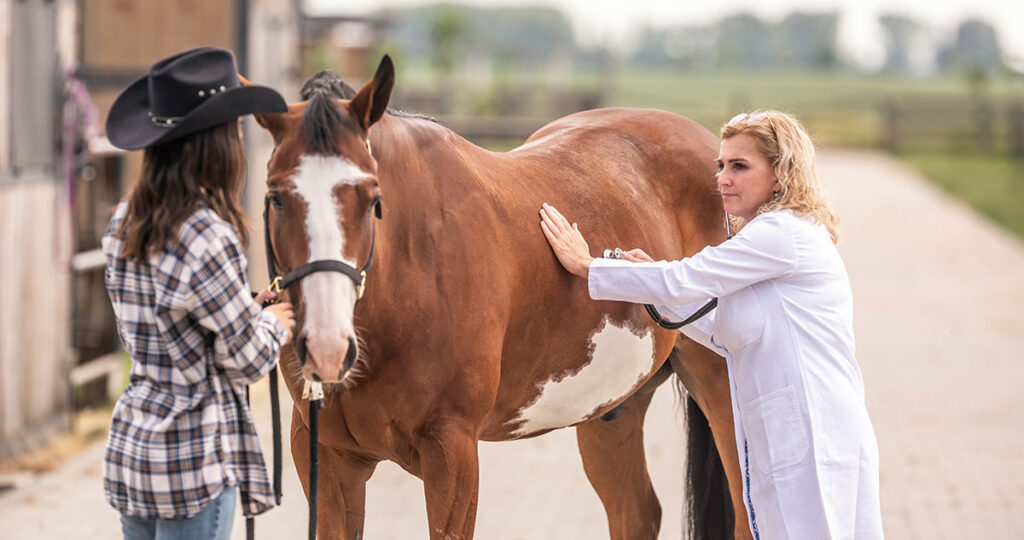
Financial planning and practical management help owners provide effective care for horses with chronic conditions or long-term injuries. Sponsored by CareCredit.

Researchers say bump kinase inhibitors show promise in treating horses with this neurologic disease.
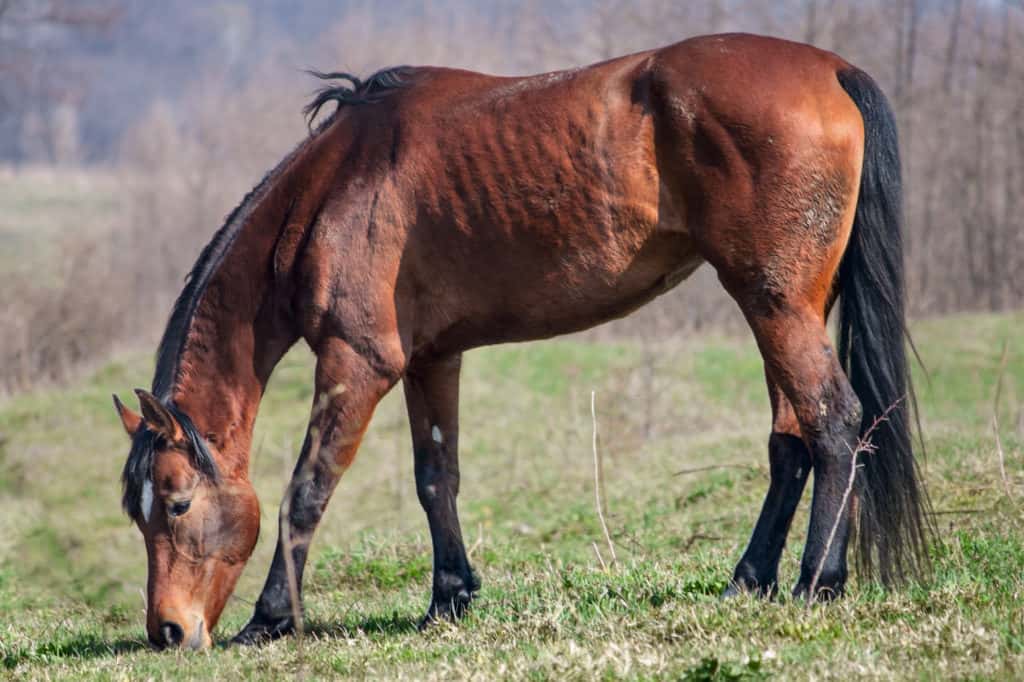
An equine nutritionist offers care and feeding tips to help owners prepare thin senior horses for cold weather.

Dr. Wendy Krebs explains why your veterinarian should test a horse for sedatives and NSAIDs during the prepurchase exam.

Dr. Wendy Krebs explains the common costs associated with purchasing a horse and early ownership in this Ask TheHorse Live excerpt.

Equine hepatitis viruses EqHV and EqPV-H can cause chronic or acute liver disease in horses. Early diagnosis, biosecurity, and prevention are key.
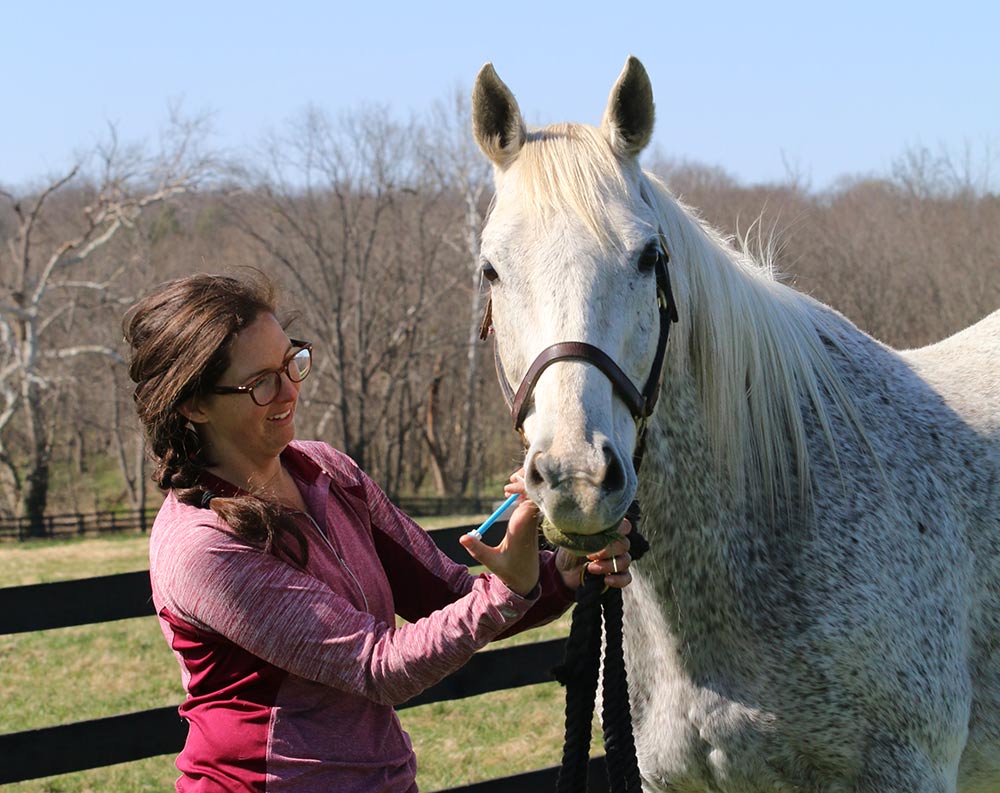
Dr. Martin Nielsen explains how testing and strategic deworming programs support effective parasite control and protect horses’ long-term health.

One expert explains how exposure to dust can negatively affect equine respiratory health and how owners can reduce their horses’ risk.

Veterinarians weigh in on the do’s and don’ts of wound care, from discovery to recovery.

Learn what you should discuss with a horse’s seller before you purchase in this Ask TheHorse Live excerpt.

Buying your first horse? Avoid common mistakes such as skipping a prepurchase exam and overlooking the financial realities of horse care.