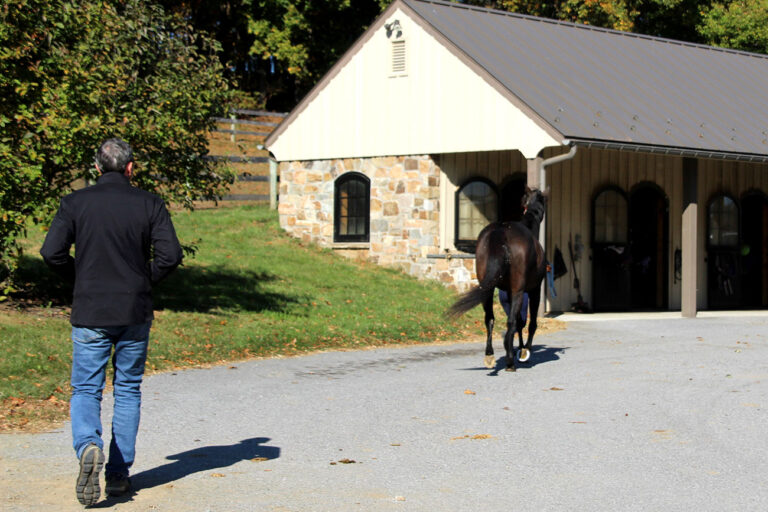
Equine Innovators: EHV-1 Explained: What the Science Tells Us
Equine veterinarians break down equine herpesvirus-1 transmission, testing, neurologic disease, and prevention.

Equine veterinarians break down equine herpesvirus-1 transmission, testing, neurologic disease, and prevention.

Here’s how one veterinarian manages horses diagnosed with navicular syndrome to keep them comfortable in a performance career.

Find out what might happen if your horse eats that wreath hanging on his stall door.

These horsekeeping tips can help keep your farm running smoothly and horses healthy when winter weather arrives.

Learn how veterinarians differentiate neurologic conditions in horses from musculoskeletal lameness and how exams, imaging, and technology help guide diagnosis.

A look back at what scientists have recently learned about pain management in horses.

Understand why adhering to your veterinarian’s carefully designed laminitis-care plan is critical to your horse’s welfare and well-being.
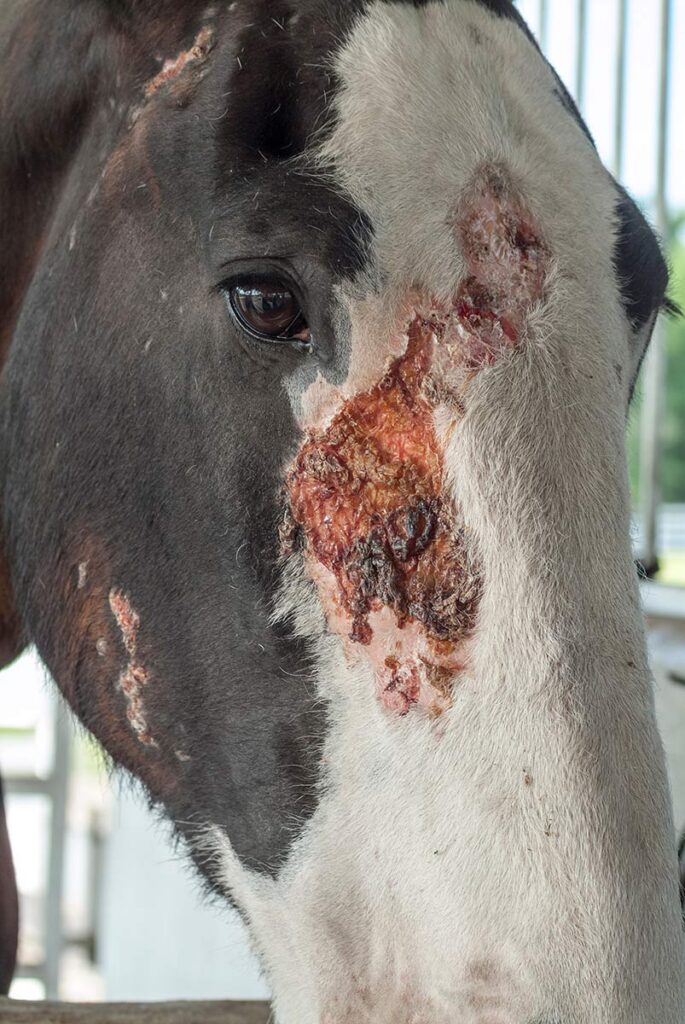
Researchers have identified natural and innovative therapies that could reduce reliance on antibiotics in horses, with global health benefits.

An equine nutritionist explains how different energy sources function in your horse’s feed and how to incorporate them to improve his performance.

Know how your horse’s body reacts to cold weather and train accordingly to make the most of the chilly months ahead.

Fevers flag a health problem in horses, but what should you do when you can’t determine the cause? Here’s how veterinarians handle this frustrating problem.

Dr. Holly Helbig and Dr. David Levine describe how they use SAA and other biomarkers to spot infection early, guide treatment, support biosecurity, and monitor horses in real time.

From nutrition considerations to preventing mud, it’s time to get ready for the long stretch of winter conditions.

Here’s what you need to know about stopping the spread of this highly contagious virus.

Some horses might become hard keepers as they age. Here’s how to feed senior horses to maintain weight and support healthy muscles and joints.
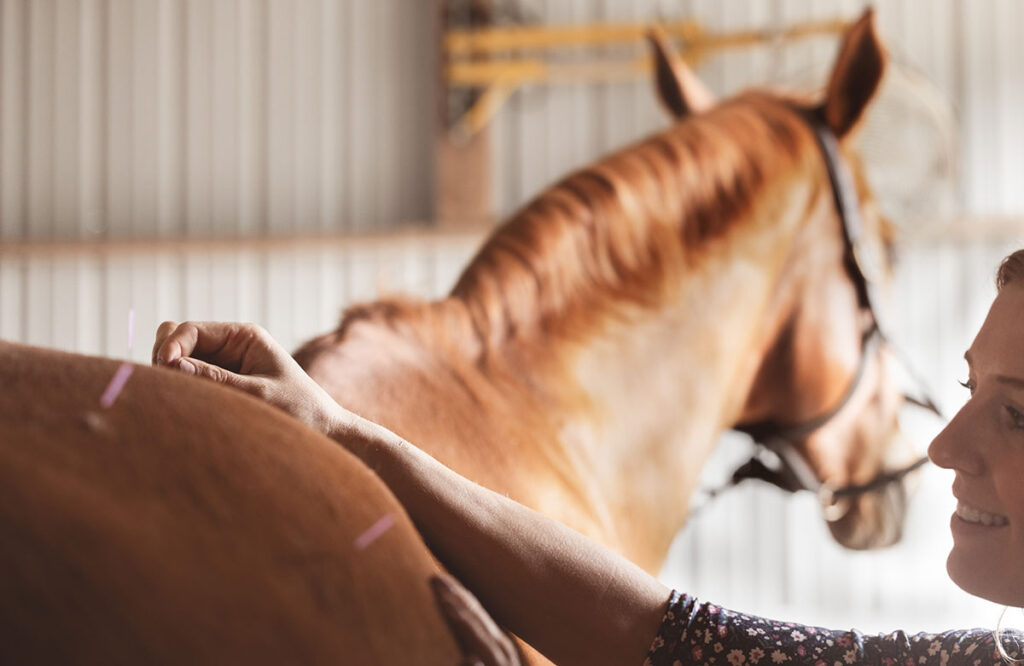
Veterinarians use complementary therapies alongside conventional care to ease pain, aid recovery, and support performance. Read more in The Horse‘s Winter 2025 issue.