Consider the reasons your horse needs to gain weight and learn how to help safely and effectively
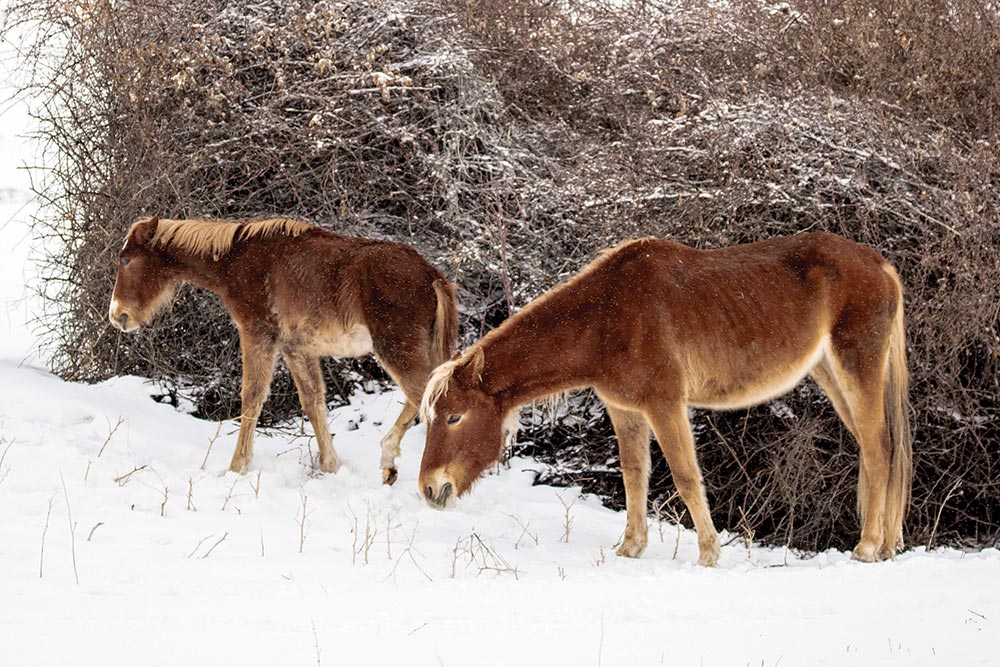
Horses are individuals and, therefore, how you manage and feed one might not work for the next. For example, in a barn of 20 horses doing the same work, diets almost certainly vary, even when weight and workload match.
Nutritionists often call this difference keeper status. They classify horses as easy, average, or hard keepers based on how readily they gain and maintain weight.
Defining A Hard Keeper
“The terms ‘easy’ and ‘hard keeper’ are relative,” says Devan Catalano, PhD, assistant professor of equine science and equine extension specialist at Colorado State University, in Fort Collins. “When we say a horse is an easy keeper, what we mean is that relative to the average horse they’re metabolically thrifty and need less calories to maintain their weight. On the flip side, a hard keeper requires more calories than the average horse to maintain that same weight, despite other variables such as breed or workload being the same
This story requires a subscription to The Horse magazine.
Current magazine subscribers can click here to and continue reading.
Subscribe now and gain unlimited access to premium content.
Subscribe NowWe at The Horse work to provide you with the latest and most reliable news and information on equine health, care, management, and welfare through our magazine and TheHorse.com. Our explanatory journalism provides an understandable resource on important and sometimes complex health issues. Your subscription will help The Horse continue to offer this vital resource to horse owners of all breeds, disciplines, and experience levels.