Practical Ways to Manage Easy-Keeping Horses
Learn tips and tricks for navigating the difficulties of managing overweight horses.

Learn tips and tricks for navigating the difficulties of managing overweight horses.
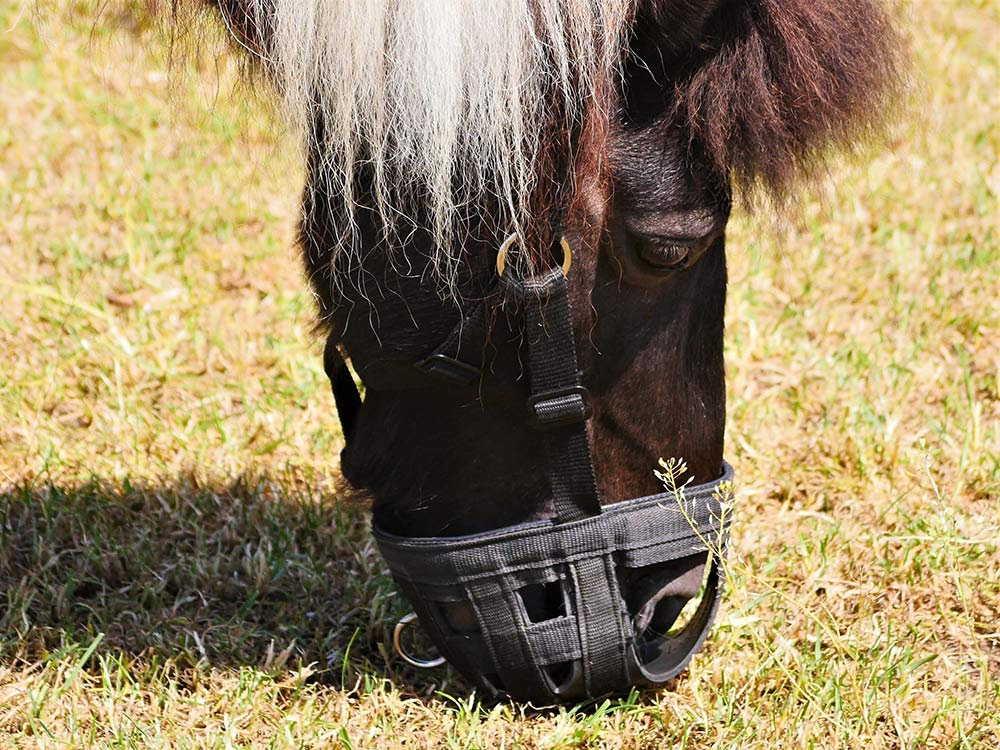
Grazing muzzles lowered insulin in a small study, but owners still need to consider pasture carbohydrates and their horses’ response when planning turnout.
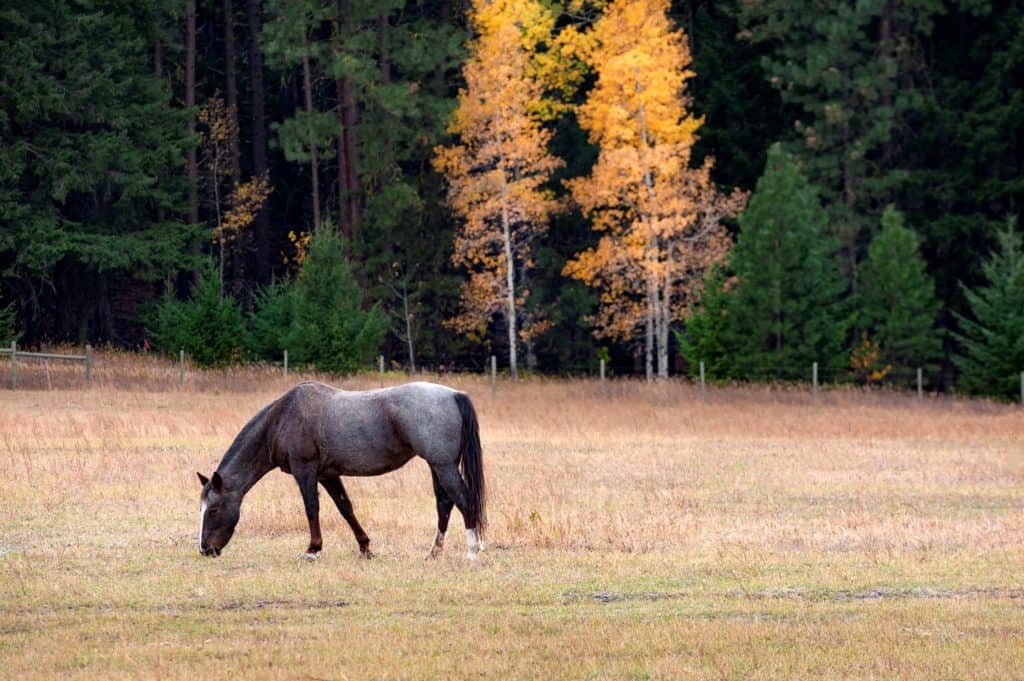
Nutritionist Dr. Clair Thunes shares advice on how to reduce your horse’s risk of colicking this fall.

An equine nutritionist explains how a broodmare’s nutritional needs change during her pregnancy.
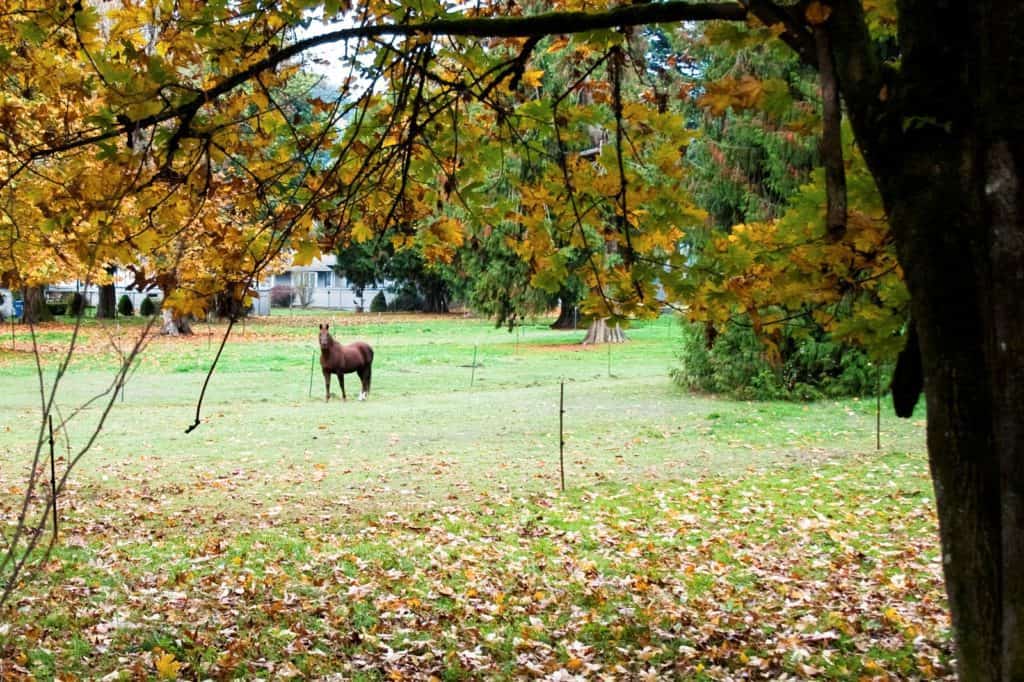
Is it okay for my horse to eat leaves that have fallen from trees in his pasture?

When switching your horse to a forage-focused diet, first obtain a hay analysis and choose a ration balancer that fills the nutritional gaps.

Find out what causes watery feces in horses and whether you should be concerned.

Learn about 5 key physical indicators of forage quality and how to gather a hay sample and interpret a chemical analysis.

An equine nutritionist shares how to calculate your horse’s annual hay intake and how to reduce hay waste to help stretch your budget.

Tall fescue can remain toxic to certain horses later into the year than many owners realize. Learn why experts recommend testing pastures year-round.

Learn about some of the common plants toxic to horses and their effects.

A nutrition expert offers advice for ensuring free-fed horses don’t overeat hay.

Choose safer times of day and grasses for your horses’ turnout while safeguarding their feet from laminitis.
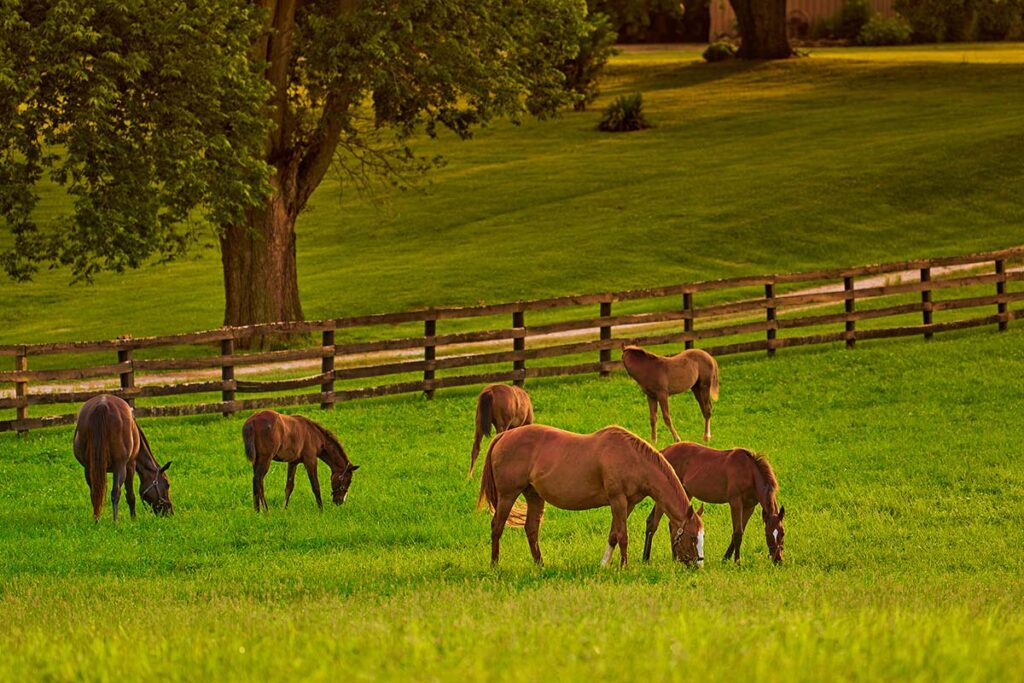
Consider these factors when thinking about your horse’s pasture forage quality.
Bob Coleman, PhD, talks about how to get the most out of your hay—from purchase and storage to reducing hay waste.
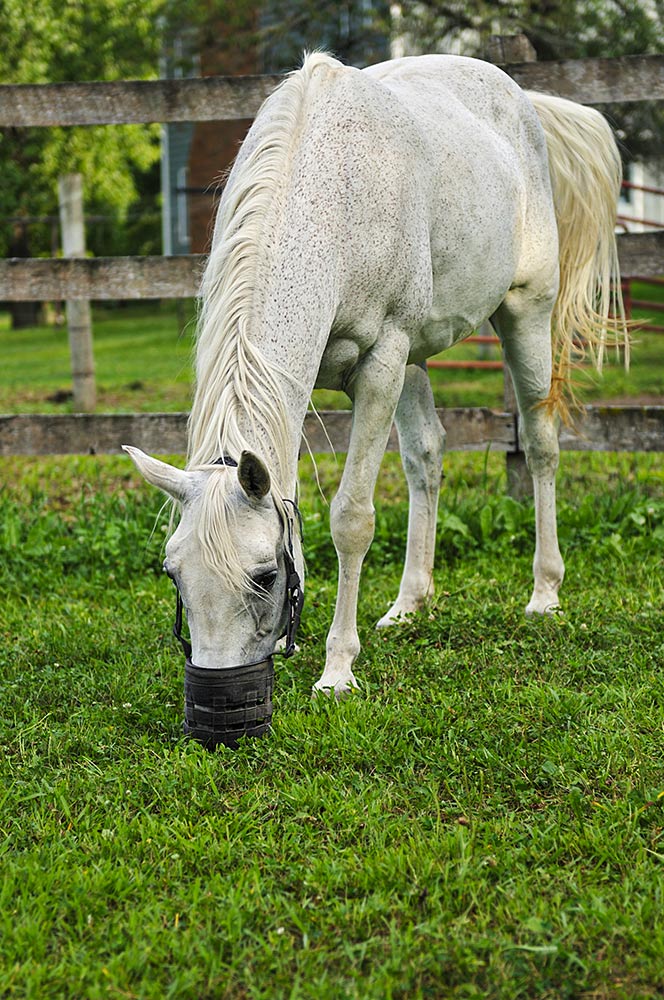
New research on insulin dysregulation highlights how pasture NSCs, forage intake, and grazing muzzles can help reduce laminitis risk in horses.