Feeding Picky Metabolic Horses
A researcher describes the importance of low-NSC diets for horses with metabolic problems and gives 3 tips for helping metabolic picky eaters gain weight.

A researcher describes the importance of low-NSC diets for horses with metabolic problems and gives 3 tips for helping metabolic picky eaters gain weight.
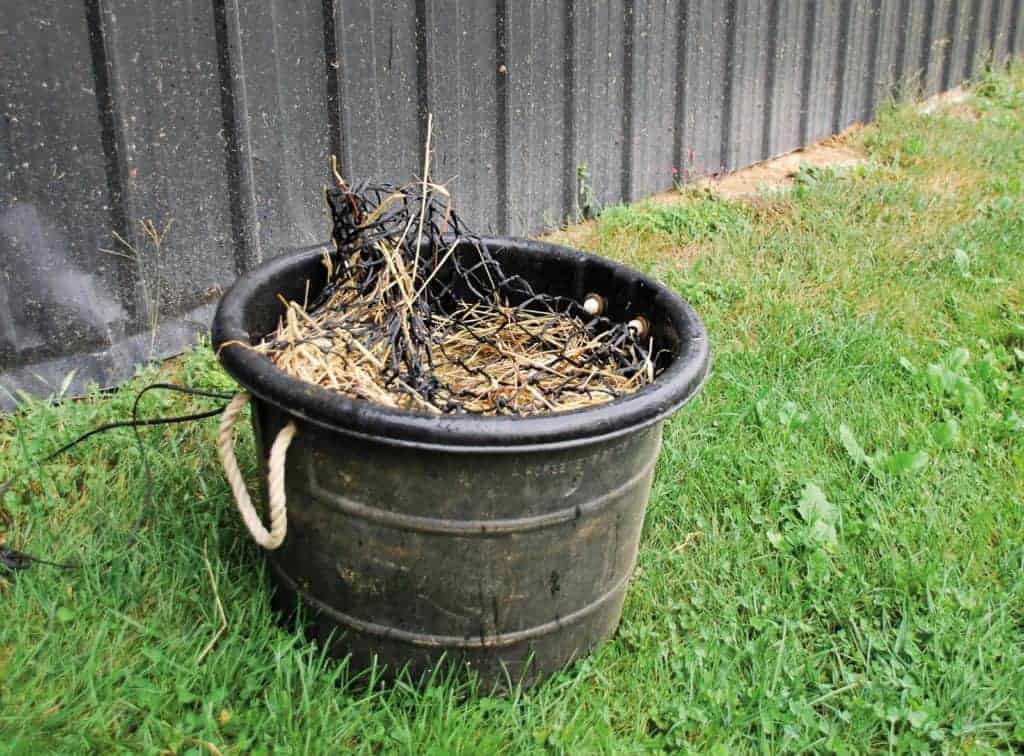
Hay soaking can help horses with equine metabolic syndrome, but owners should understand how it might affect the rest of the diet.

Forage should be the basis of your horse’s diet. Here’s what factors to consider when choosing a forage.
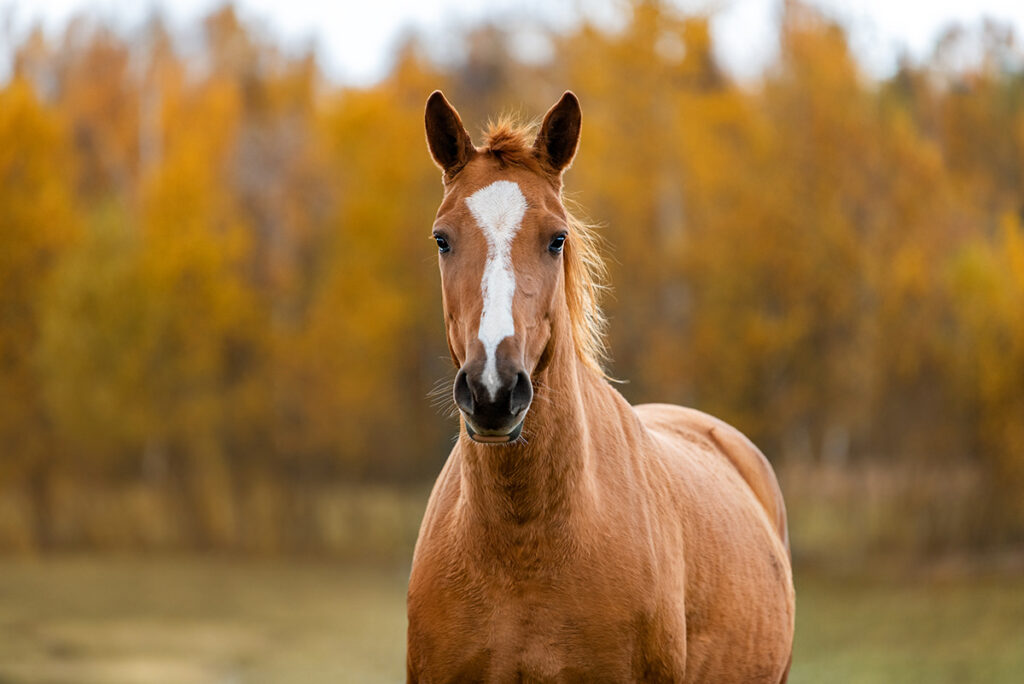
Here’s why equine metabolic syndrome can affect horses with a healthy body condition and how you can monitor and manage these animals.

Learn what, when, and how to feed horses with metabolic issues such as EMS, ID, and PPID.

An equine nutritionist explains her approach for a group of horses needing a low-sugar diet that still spend time on pasture.

Moisture meters can help you determine when to bale and store your horses’ hay and can protect against barn or storage building fires.

Selecting the right forage and concentrate for your horse and reassessing supplements can help reduce feed costs.

Discover why this common pasture grass is good for grazing but bad for broodmares.

Read the pros, cons, and surprising facts about slow feeders, including haynets, haybags, and hayboxes.
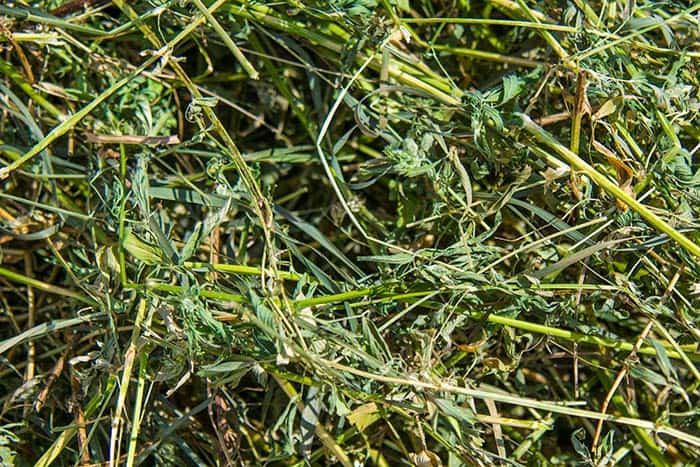
An equine nutritionist outlines dietary adjustments to consider when managing gastric ulcers.

One expert explains how to prevent glandular gastric disease in your horse by managing his routine. Sponsored by Kelato.

Horses on all-day pasture have more opportunities than stalled horses to meet their behavioral needs. Here’s what you need to consider.

Don’t wait for the first snowflakes to prepare your horse property for the cold, dark, and wet months ahead.

Is your horse’s hay meeting his nutritional, health, and welfare needs? Learn how to make informed forage decisions.

How to ensure the late-gestation mare is getting enough nutrients to meet both her needs and those of the developing fetus.