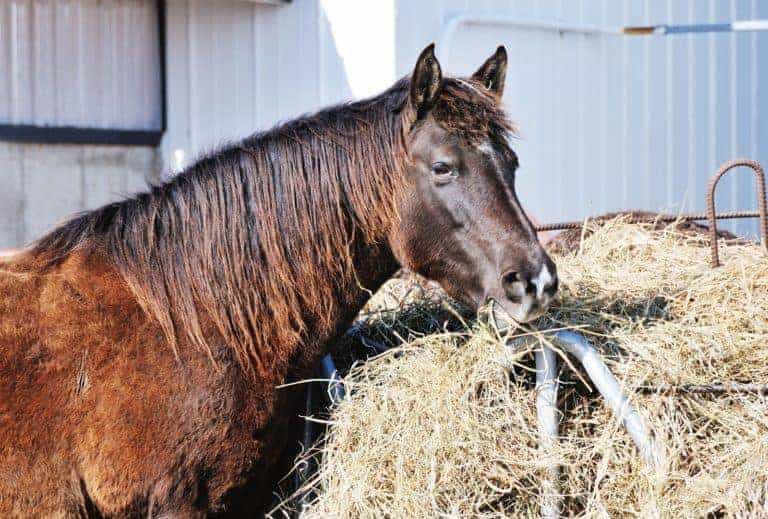
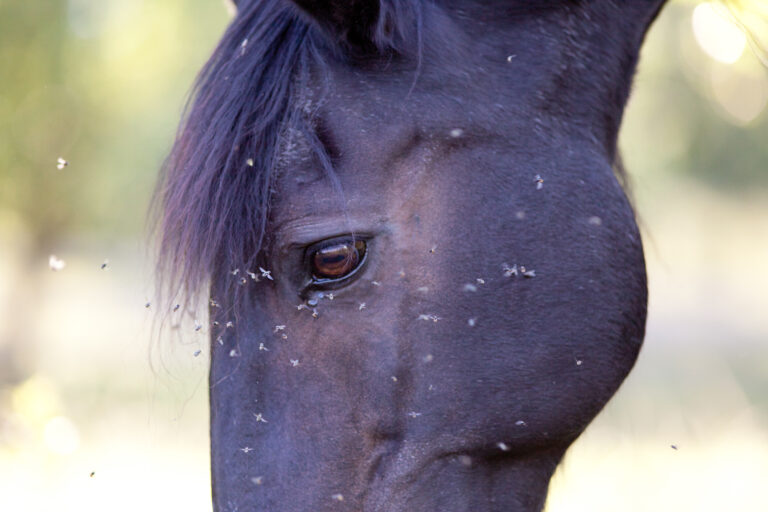
Surgical Technique Effective for Treating Corneal Edema
Treated horses had less corneal fluid swelling than before, did not develop any corneal ulcers, and retained vision.

Treated horses had less corneal fluid swelling than before, did not develop any corneal ulcers, and retained vision.

Confinement is difficult but often necessary for healing. Learn how to keep horses healthy while on stall rest.

Racing performance was unaltered regardless of which technique was used to correct soft palate displacement.
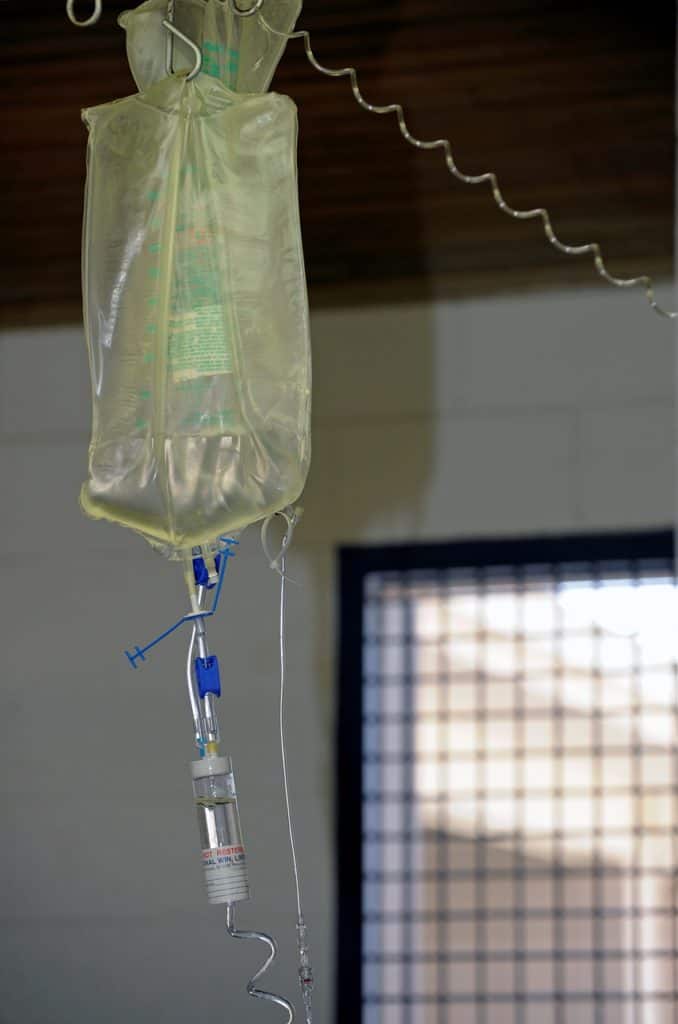
Researchers found that many horses recovering from colic surgery probably don’t require as much water as once thought.
Ten horses that suffered severe burns in the Yarloop bushfire in January have been discharged from the hospital.

Survival rates were high, and a surgical procedure could help prevent recurrence of this type of colic.
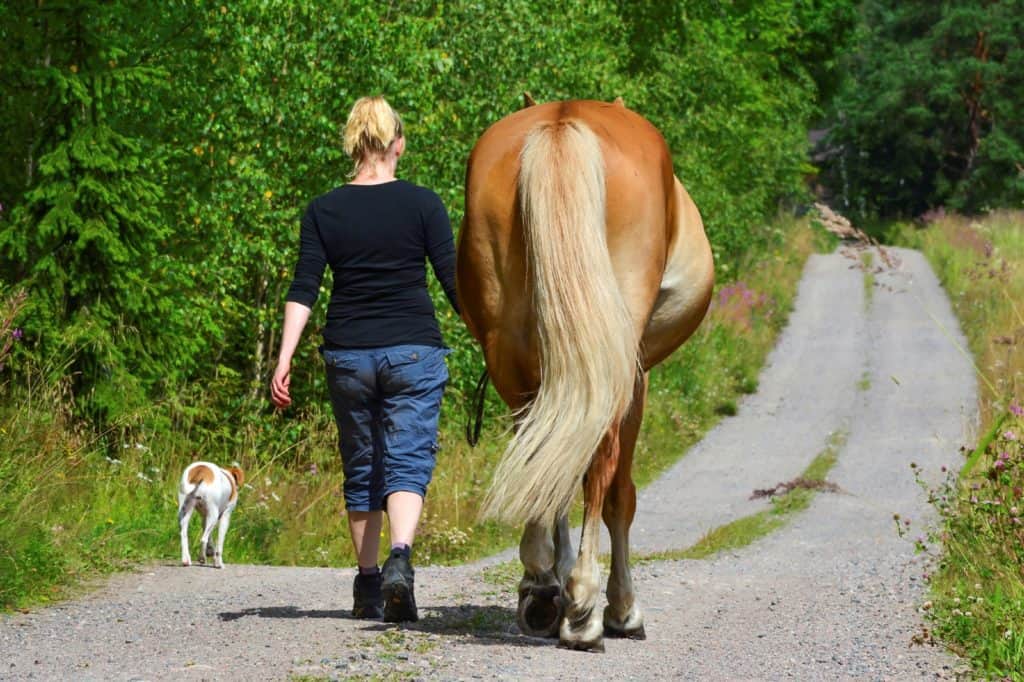
Suspensory ligament disease, a leading cause of poor performance in horses, can be challenging to manage.
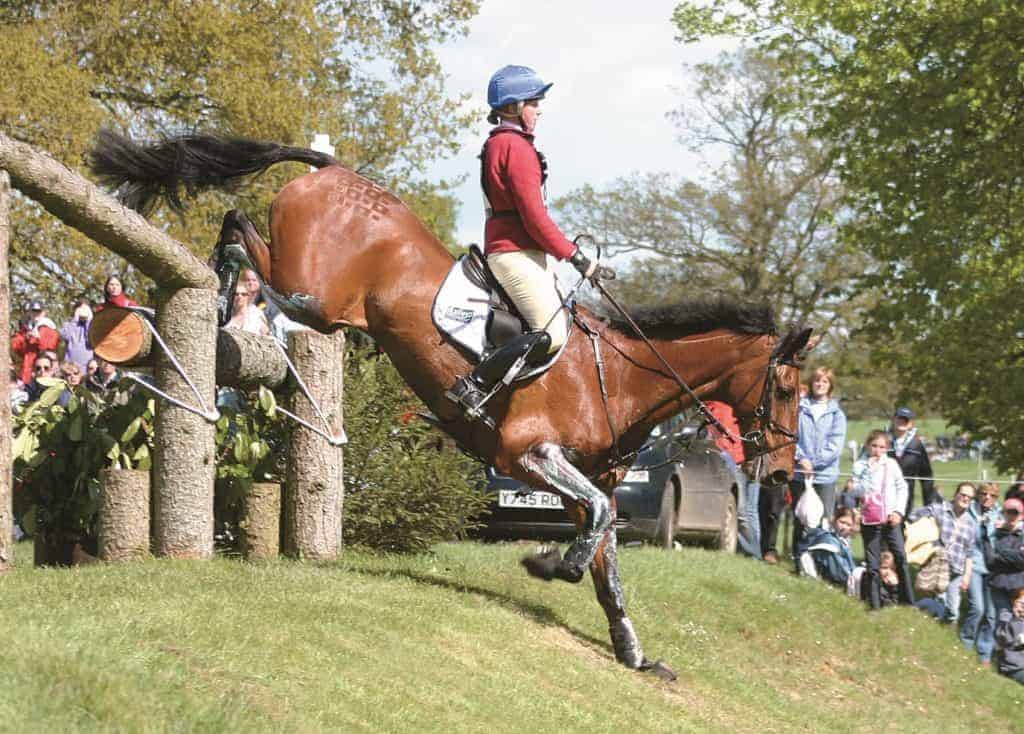
A look at three of the most common tendon and ligament injuries in horses and how to treat them.
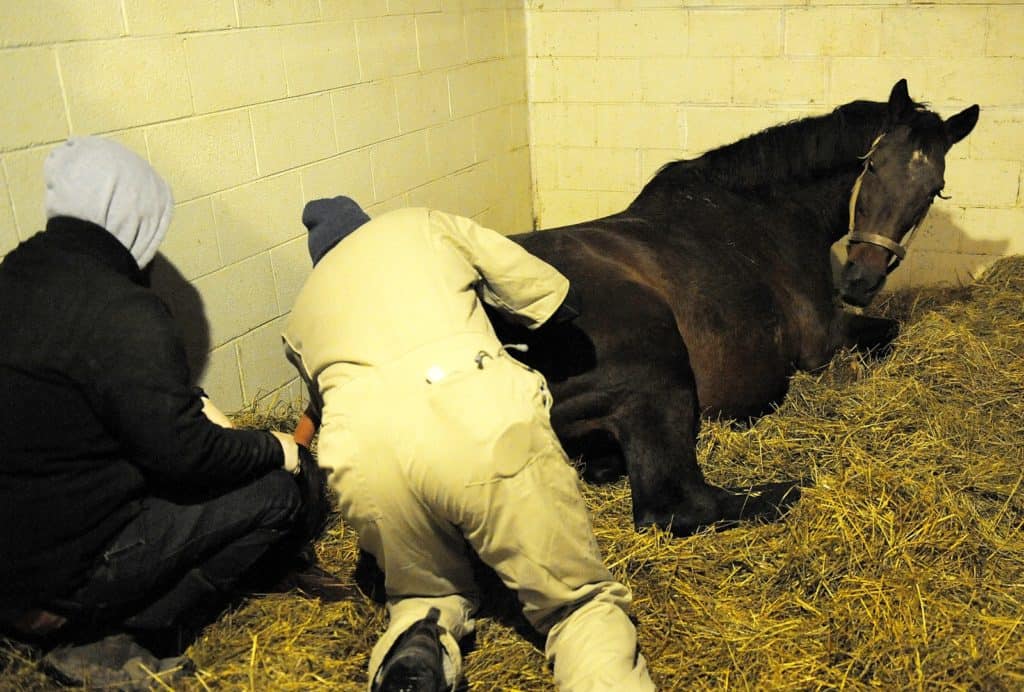
Eighty-one percent of mares survived with treatment and 77% of mares bred the subsequent year carried a foal to term.

Researchers say a screw fixation procedure can help sport horses return to function after a central tarsus fracture.

For gelding, postoperative problems can range from mild swelling to devastating intestinal prolapse.

A horse with a vertebral fracture without severe neurologic disorders could be a good candidate for surgical repair.

Diet, exercise, biomechanics, and genetics all play a role in disease development, researchers say.

Recent study results suggest that shock wave can help horses return to function faster than surgery or rest alone.

Recaps of studies on colic outcomes, treatments for joint problems, respiratory surgery, and more.
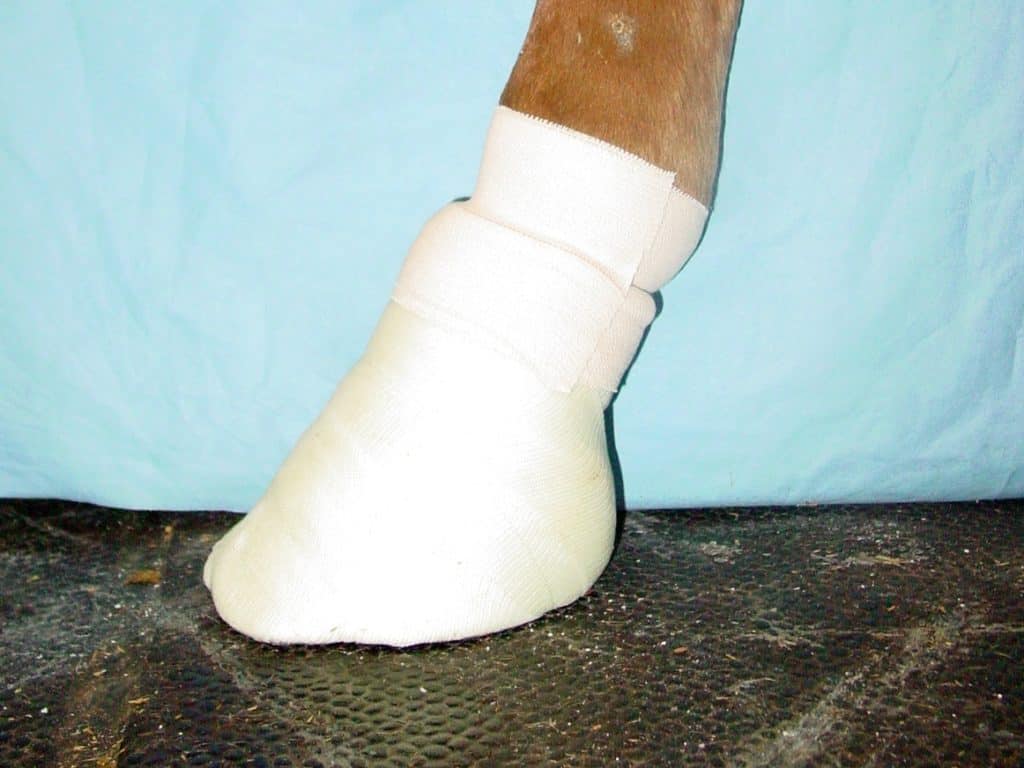
Hoof casts immobilize joints, maintain the hoof-pastern axis, reduce the need for frequent bandage changes, and more.