Study Supports Stent Use After Colic Surgery
Researchers found that antimicrobial-impregnated dressing could help reduce the incidence of surgical site infection.

Researchers found that antimicrobial-impregnated dressing could help reduce the incidence of surgical site infection.

Dr. Jim Schumacher shares strategies for assessing and treating equine head injuries.

Of the 420 respondents, 349 people (83%) said they have rehabilitated an injured horse.

A vet reviews the different lesions practitioners might encounter during a colic and whether they warrant referral.

Owners now have the option of purchasing insurance policies to cover some of companion horses’ medical expenses.

Learn how veterinarians treated an 18-month-old Andalusian colt that suffered nasal collapse after a training accident.
Equally as important as knowing if you’d send a horse to surgery is understanding what to prepare for once he’s home.

A special splint and cast can produce good fracture healing and pasture soundness in ponies, donkeys, and small horses.

Developing an understanding of post-colic feeding practices can help your horse on the road to recovery.
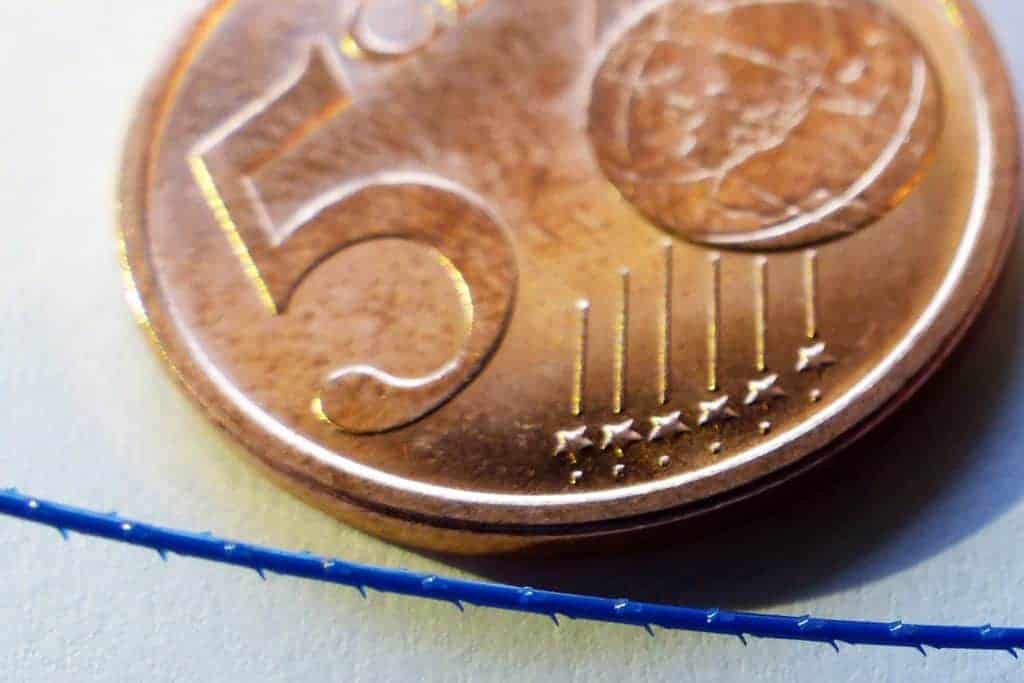
Barbed sutures eliminate the need for knot-tying and distribute tension on the suture line more evenly, researchers say.
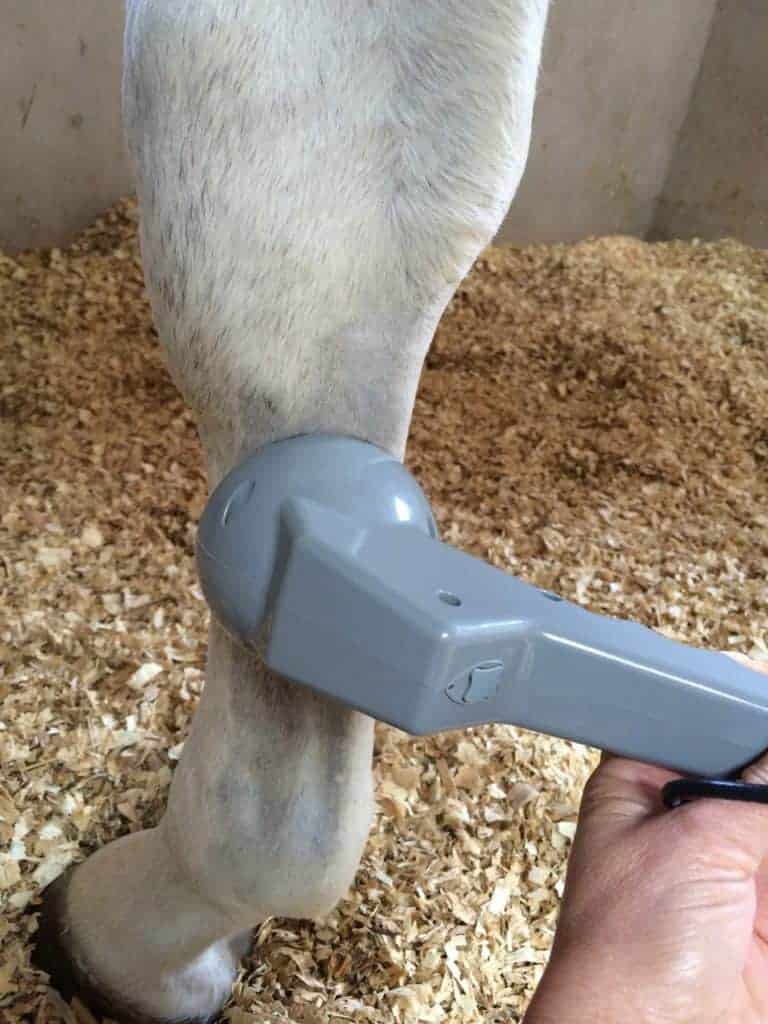
The amount of laser light reaching internal structures depends on the horse’s hair and skin thickness and color.

The $65 million facility will be named for renowned equine surgeon and researcher Dr. Wayne McIlwraith.

Dr. Dean Richardson will describe Penn Vet’s system for recovering high-risk horses from anesthesia on June 6.
Veterinarians and farriers recently collaborated on a case of bilateral keratomas in a 6-year-old Holsteiner mare.
In a long-term study, researchers showed that 92.5% of horses discharged had returned to work four to eight years after surgery.

Many respondents said they’d have to consider the possible outcomes before sending a horse to colic surgery.