Colic: Better Treatment Options, Better Outcomes
Thanks to advancements in colic diagnostics and treatment, a horse’s chances of survival and return to normal activity following surgery have never been better.

Thanks to advancements in colic diagnostics and treatment, a horse’s chances of survival and return to normal activity following surgery have never been better.

Both medical and surgical management resulted in more than 94% of treated horses surviving to discharge from one hospital, researchers found.
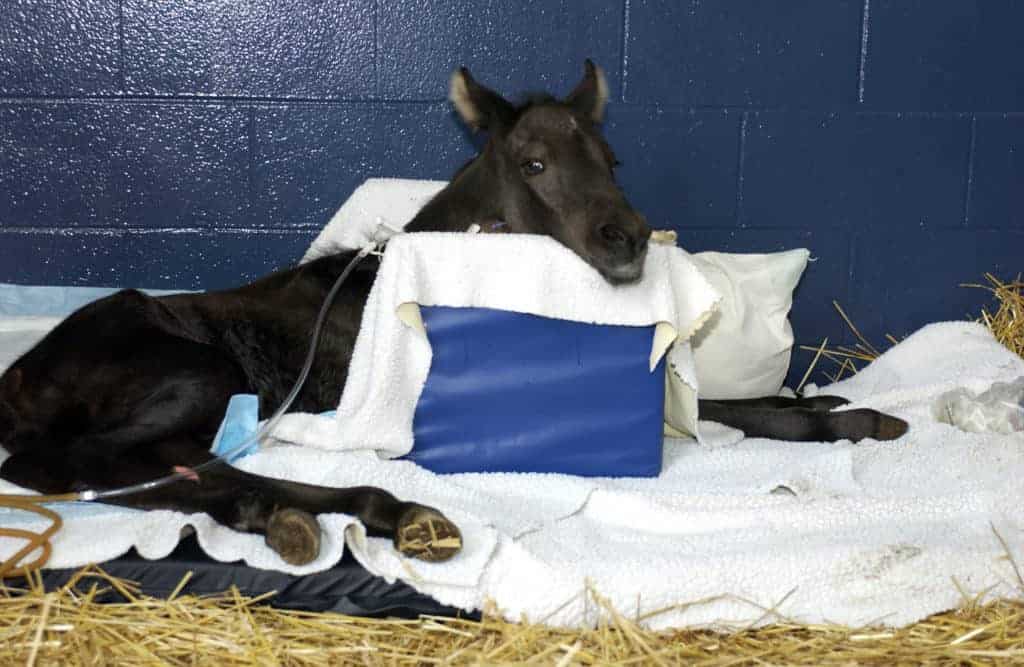
Researchers found that surgical correction of a patent urachus or infected umbilical remnants often has a good outcome.

During AAEP’s Kester News Hour, Dr. Rob MacKay reviewed his favorite studies of 2017, covering EPM, EHV, SAA, and more.

Horses that developed salmonellosis following colic surgery and survived to discharge did as well as those that did not develop salmonellosis.

Learn about keeping OTTBs healthy and happy as they move into new disciplines. We’ll cover feeding, vet care, handling, and more!

This racecard data will provide transparency for bettors and help generate data for equine health and welfare research.
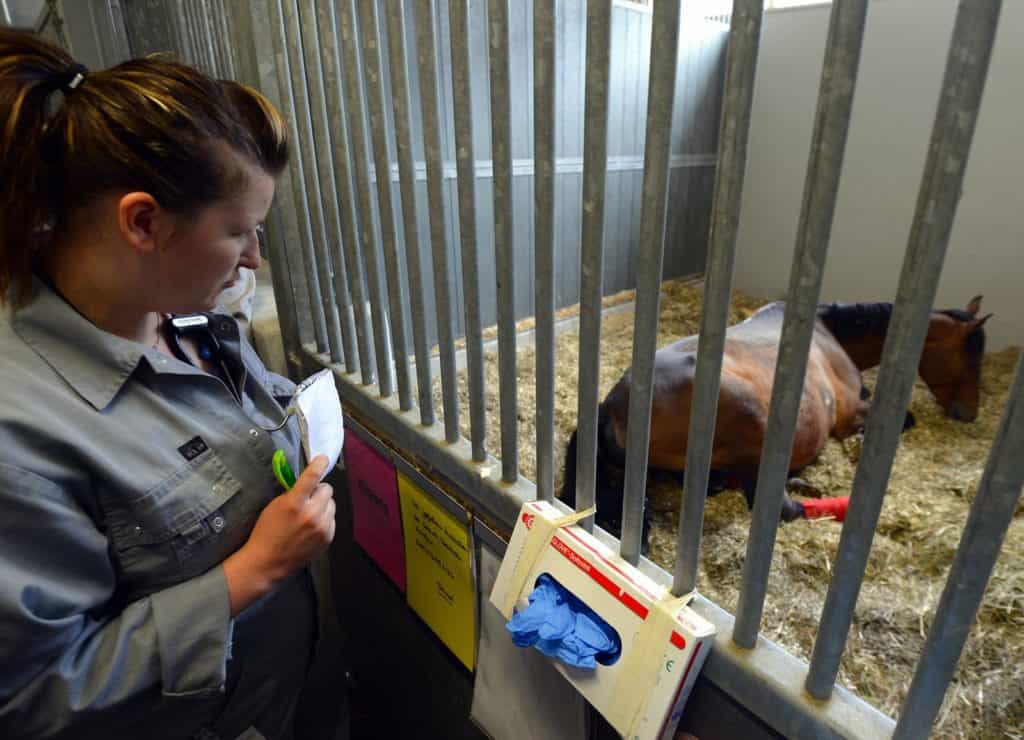
Resistant infections were most common in horses coming out of surgery and that have had previous antibiotic treatment.

This approach remains an important tool for helping manage a variety of equine conditions/ injuries.

Study horses returned to full health after tendon and ligament injuries and treatment without adverse side effects.

This rare, but potentially catastrophic, complication occurs in less than 1% of colic surgery patients.

Mares discharged from the clinic following surgery have an excellent prognosis for survival and producing foals.

Haptoglobin in peritoneal fluid and SAA in serum and peritoneal fluid and were associated with nonsurvival.

Of 22 horses that underwent a second surgery, 19 survived and were discharged from the hospital, researchers found.
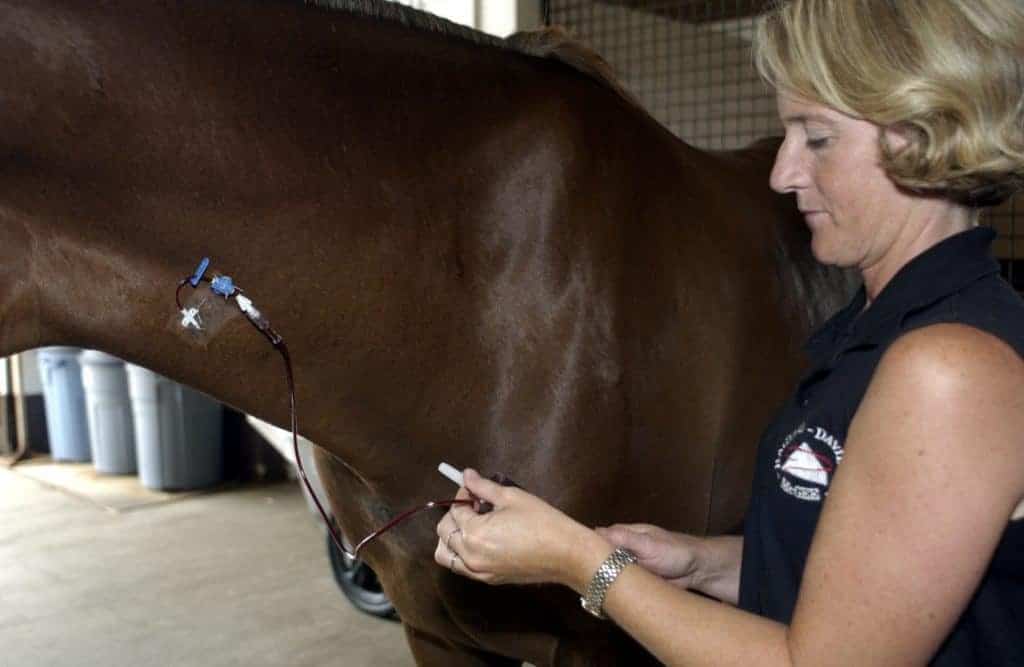
If levels continue to increase for more than three to four days post-surgery, complications could be brewing.

Chronic colic in horses presents a unique challenge and creates a diagnostic puzzle for veterinarians to piece together. Here’s how they approach it.