Top Equine Surgery and Lameness Studies of 2018
Dr. Wes Sutter recaps studies on MRI for diagnosing hock problems, tieback surgery, evaluating suspensory ligament branch injuries, nerve blocks, and more.

Dr. Wes Sutter recaps studies on MRI for diagnosing hock problems, tieback surgery, evaluating suspensory ligament branch injuries, nerve blocks, and more.

Researchers found no apparent link between previous surgery and catastrophic injury, but they did identify associations with medication use and lameness.

While surgery alone can improve septic navicular bursitis prognoses, recent study results suggest outcomes can be even better if surgery is combined with antimicrobials and therapeutic shoeing.

Researchers found that treating suspensory ligament branch tears surgically generally yielded a good prognosis and proved superior to noninvasive management. However, they cautioned, surgical intervention is lesion-specific and not applicable to all suspensory branch injuries.
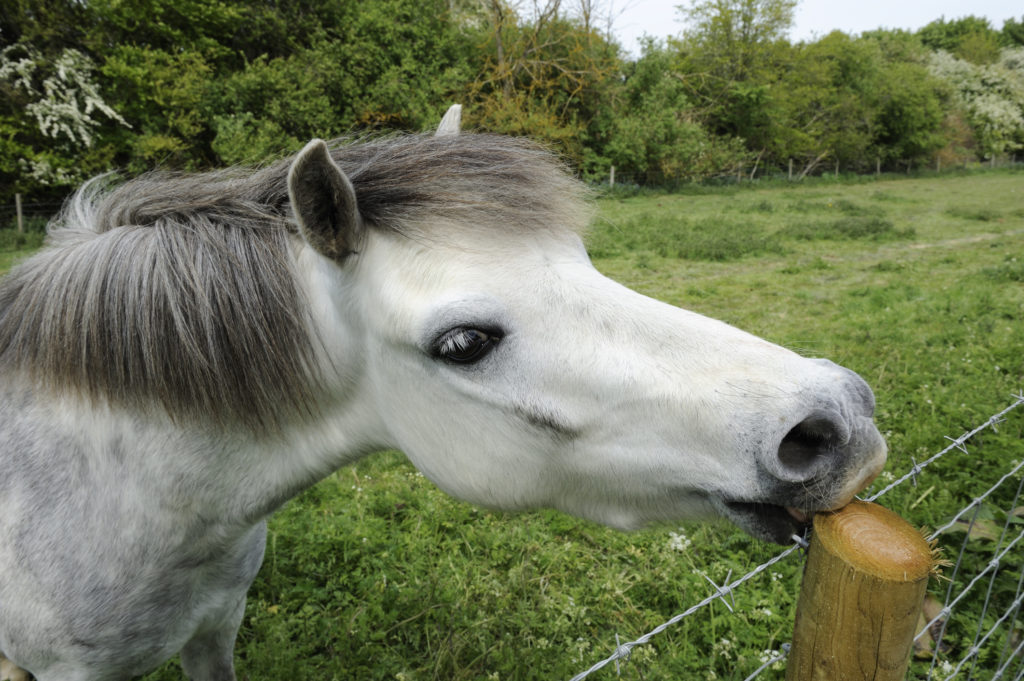
While wire ingestion was once considered a death sentence, researchers recently found that surgery can save some affected horses, especially if the foreign body is identified and treated early.

In the first of this two-part series, we’ll explore full-body rehabilitation options, from the horse’s head to tail.

The veterinary technician is often the primary staff member responsible for overseeing recovery from anesthesia.

There’s not one particular approach for rehabilitating injured joints. Here are a few of the options vets have to use.
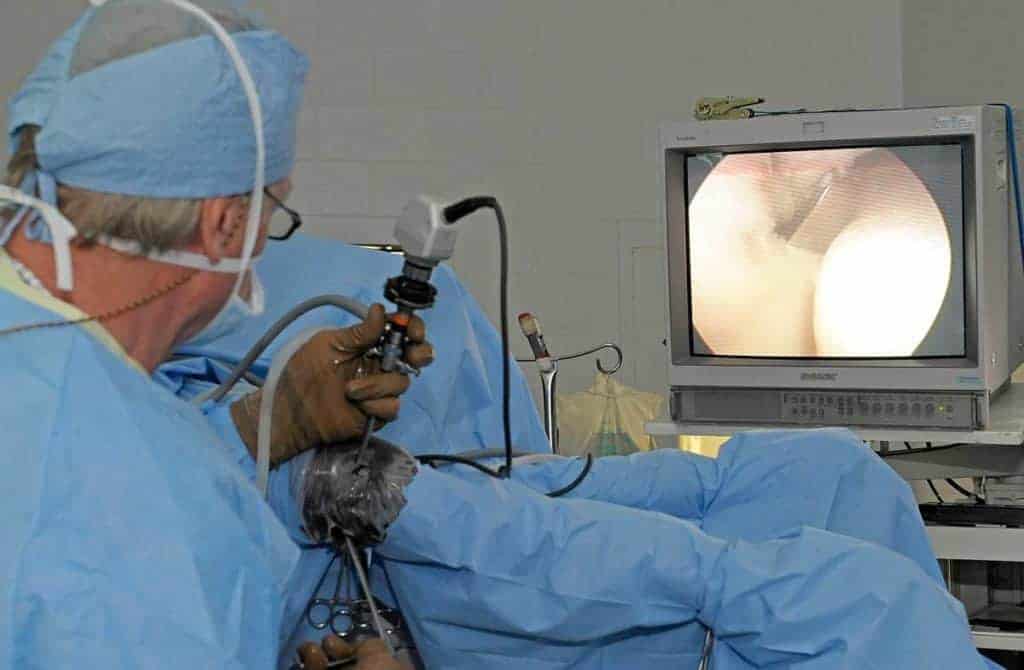
Recent study results suggest the overall septic arthritis rate following surgery was 0.47%, which is similar to previously reported rates. Further, researchers found no association between inpatients’ and outpatients’ septic arthritis development rate.

Read top tweets and take-home messages from industry experts on common racing injuries, their approach to effective rehab and what they’ve seen horses go on to do after recovery.

Researchers found that horses ventilated with “heliox” rated better for two measures of respiratory mechanical function—low peak inspiratory pressure and higher lung compliance—compared to those breathing pure oxygen.

Researchers found that 58% of responding hospitals said they consult a nutritional adviser about feeding their patients and 21% reportedly feed all patients the same type of feed.

Regenerative therapies can help horses recover following injury. Download this free fact sheet to learn more about stem cell, IRAP, and PRP therapy use in horses.

Surgical site infection risk had little to do with the amount or kind of bacteria present at the incision before, during, or after surgery, researchers found.

Researchers found that their technique for removing ostoechondral fragments from the hock was efficient and had few postoperative complications.
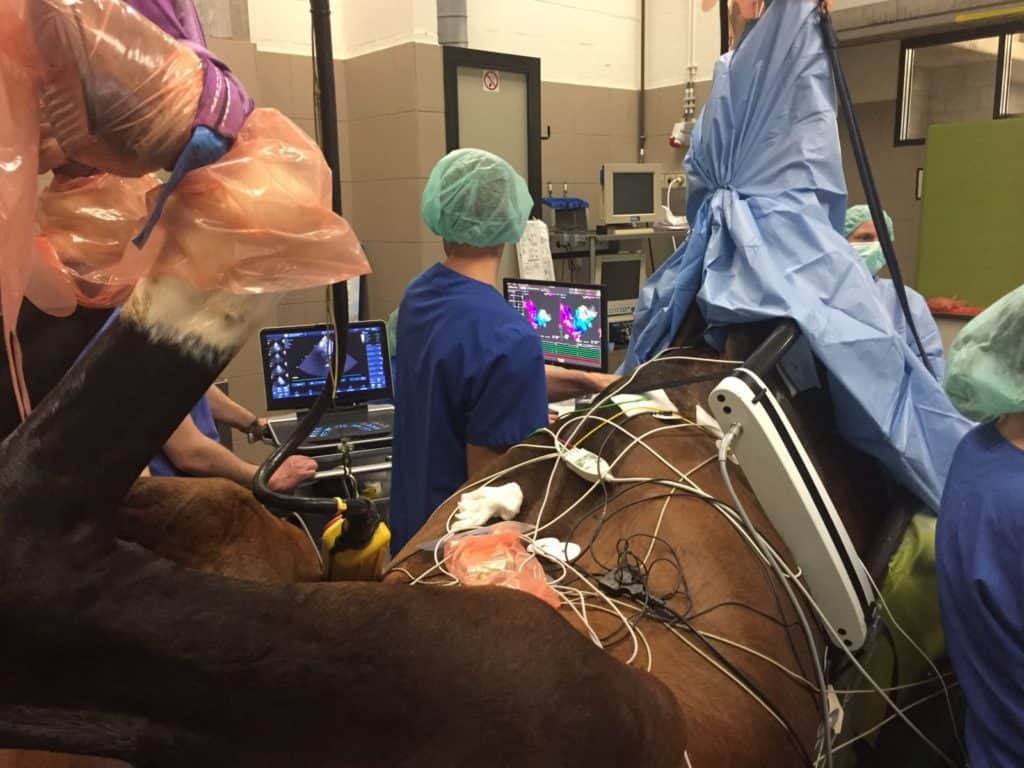
Belgian veterinarians have successfully completed the first cardiac ablation—a procedure used to correct irregular heartbeats—performed in a horse. Diamant, a 5-year-old Norwegian show jumper, came through the four-hour operation with no difficulties.