Treating Equine Soft Tissue Injuries
A veterinarian describes conventional and alternative therapies for helping tendons and ligaments heal.

A veterinarian describes conventional and alternative therapies for helping tendons and ligaments heal.

While people might extol the virtues of various rehabilitation modalities, those testimonials rarely rely on the science surrounding the techniques.

Something on the X rays looks a bit off—is it significant or of no consequence? It depends on what you find.

Prevailing wisdom has been that Western disciplines are too physically demanding to allow athletes to return to work after arthroscopic stifle surgery. A study presented at the 2019 AAEP Convention found this isn’t necessarily the case.

While it can be unsettling to think about all the possible scenarios, planning before colic happens could save your horse’s life.

Patience and perseverance are key for bringing off-track Thoroughbreds back from injuries sustained post-racing.

A new study looks at age as a predisposing factor for post-operative nasogastric reflux and mortality.
Because research into vortex wave circulation therapy is new, one researcher sought to understand how it might be helping horses, and she produced measurable results.
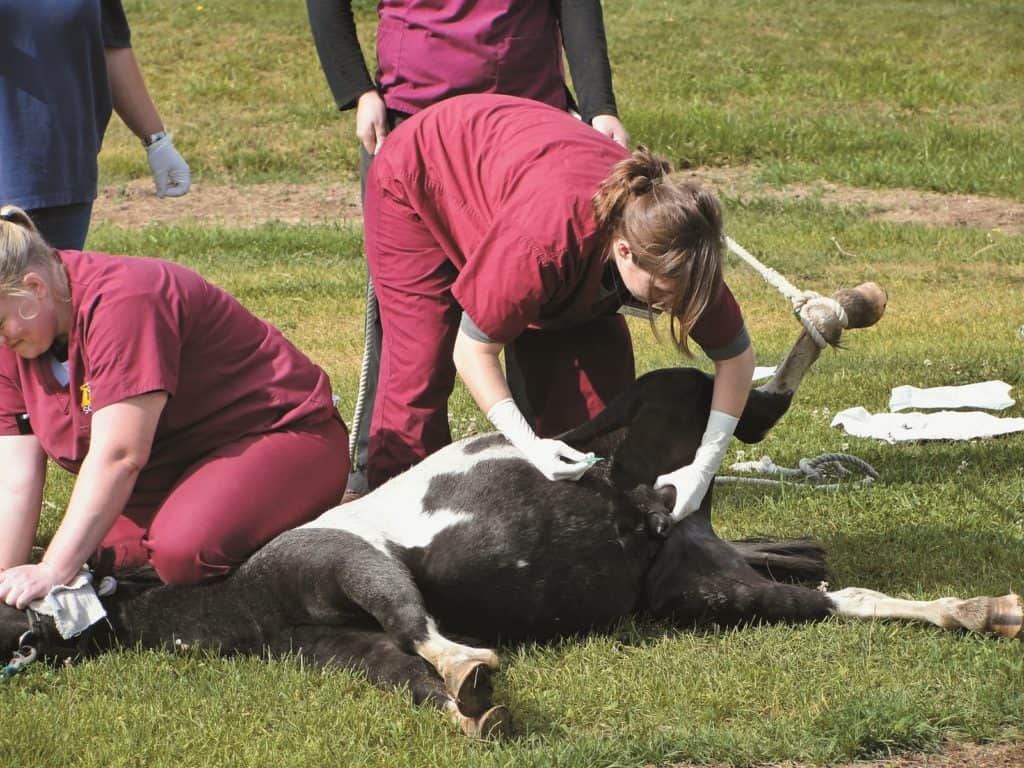
Evisceration—when the intestines protrude through the surgical site—can be fatal if not treated promptly. By knowing which breeds and castration methods are more prone to evisceration, vets can be better prepared for complications.

Arthroscopic pastern bone chip removal in horses had no significant impact on Thoroughbreds’ racing performance, researchers found.

Address the entire horse, not just the injury, when bringing a patient back to work, veterinarians say.
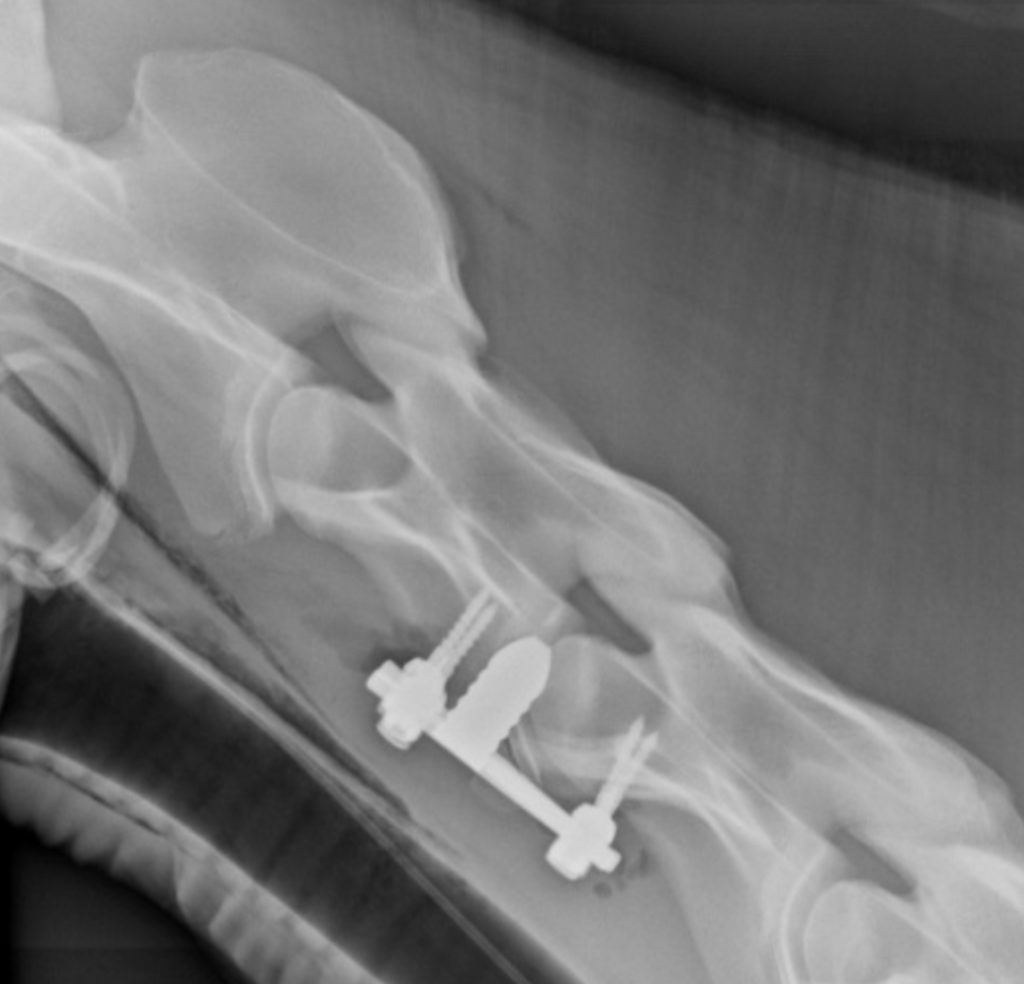
Researchers developed the new method for horses based on work conducted in humans. The procedure involves two stabilization devices: an intervertebral device to reduce compression and screws with rotating heads and connecting rods to stabilize the vertebrae.

Researchers said evaluating castration complications allowed them to arrive at a benchmark to which other equine practitioners can audit their individual and practice performances, possibly leading to even safer gelding procedures.
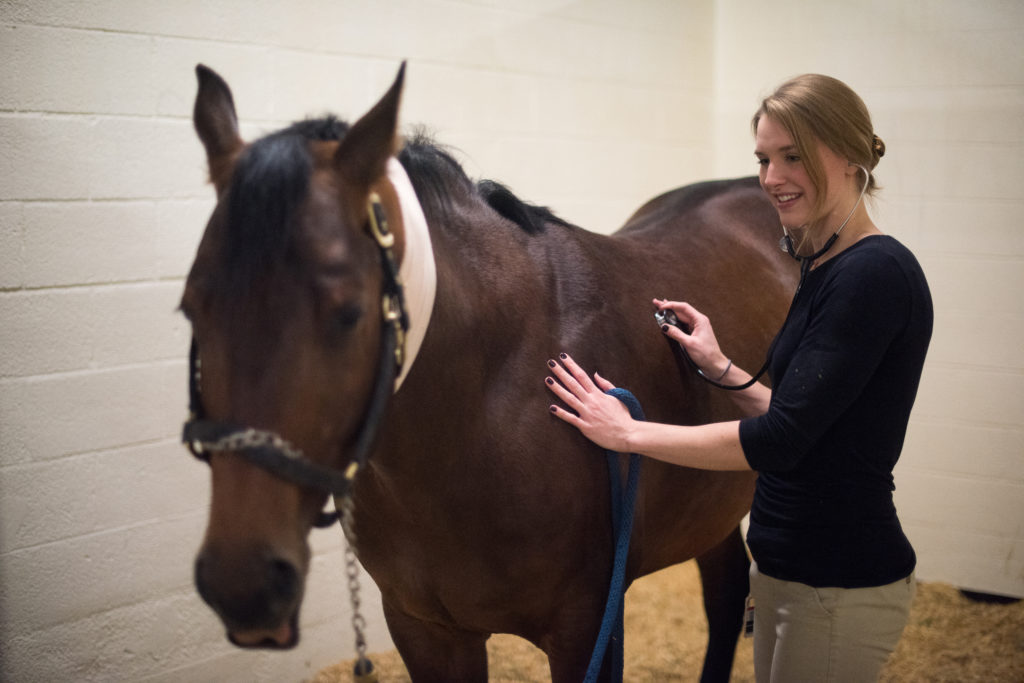
Researchers found that firocoxib and flunixin meglumine provided similar levels of pain control after colic surgery, but firocoxib resulted in reduced evidence of endotoxemia at 48 hours post-surgery.

Measuring the biomarker creatine kinase in abdominal fluid can help distinguish horses with ischemic (lacking blood flow) intestine due to a strangulating lesion—and, thus, require surgery—from those without.

Determining why a horse isn’t performing up to expectations can be a time-consuming and tedious process. One veterinarian shares how she approaches these cases.