Complementary Therapies Popular, but Sometimes Lack Veterinary Collaboration
Survey: Owners generally like trying out complementary and alternative therapies on their horses. But they don’t always tell their veterinarians about it.

Survey: Owners generally like trying out complementary and alternative therapies on their horses. But they don’t always tell their veterinarians about it.

Pituitary pars intermedia dysfunction (PPID, or equine Cushing’s disease) is caused by an enlargement of the pituitary gland’s middle lobe (the pars intermedia), which results in an overproduction of hormones that regulate bodily functions. Learn more about this disease in our slideshow.

Learn about feed allergies in horses—including allergy testing—and what you can do to make sure your allergic horse gets the nutrition he needs.

Is your horse’s annual wellness exam comprehensive? Learn about common wellness steps and how your veterinarian can help you address and correct problems you might encounter.

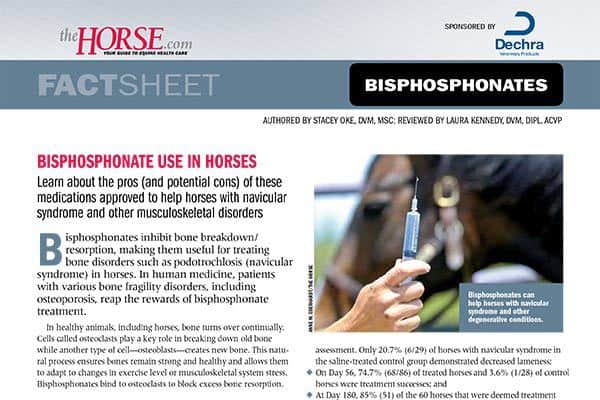
Learn about the pros (and potential cons) of these medications approved to help horses with navicular syndrome and other musculoskeletal disorders in this free fact sheet.

Dr. Amanda Adams of the University of Kentucky, in Lexington, describes her senior horse research, which focuses on EMS, PPID, and immune system health.

Here’s a list of questions all horse owners should answer before their horses colic.

Here’s how farm managers responsible for large numbers of horses can ensure they stay up to date on vaccines, deworming, and more.

Non-steroidal anti-inflammatory drugs serve an important role in managing equine pain and inflammation, but sometimes they can do more harm than good.

Is your horse approaching his retirement years? Learn how to keep your horse happy and healthy after his athletic career.

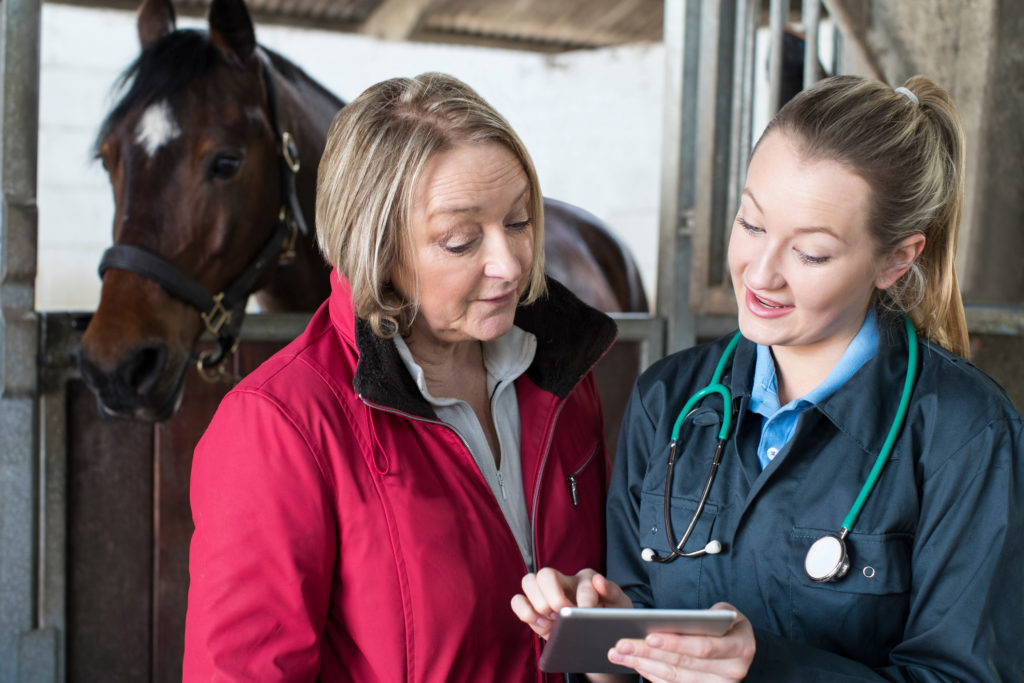
To help you better understand the ideal VCPR—a relationship that carries a lot of weight in our horsey lives—we’ve sought out the signs of a healthy one. How does yours line up?

Sometimes rest is the best recipe for recovery for an injured horse. Learn about the science of healing, aggressive vs. conservative treatment, and exercise rehabilitation.

Your laminitis survivor’s true prognosis depends on how you manage him after the worst is over.

Buying a horse is a lot like buying a used car. Both take research, experience, and smart buying strategies. Use this guide, developed by equine legal experts, to prepare.

The guidelines make new recommendations for core and risk-based vaccines for horses. The committee further emphasizes that routine vaccinations are considered essential during the COVID-19 pandemic.

Two boarding barn operators offer practical management tips for individuals who run (or plan to someday run) boarding businesses.
Stay on top of the most recent Horse Health news with
"*" indicates required fields