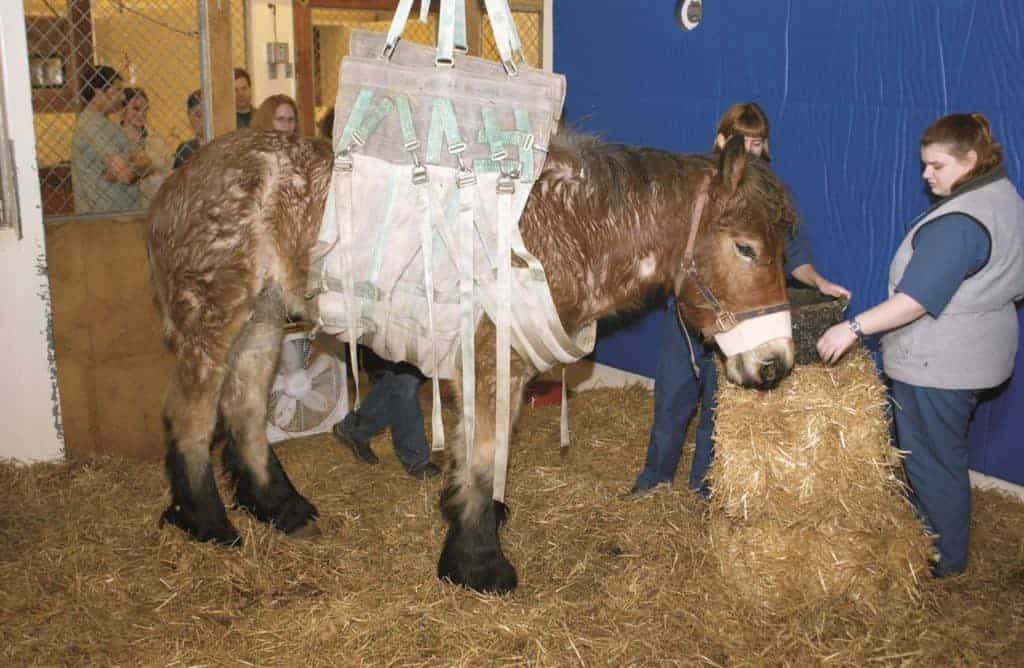
Equine 911: Botulism
Go step-by-step through the experience of botulism diagnosis and treatment with Dr. Daniela Luethy.

Go step-by-step through the experience of botulism diagnosis and treatment with Dr. Daniela Luethy.

Find out where botulism cases are most prevalent and if your horse is at-risk from Dr. Daniela Luethy.

Dr. Daniela Luethy covers recommendations for the botulism vaccination and booster series for horses.

Dr. Daniela Luethy outlines the signs a horse might have botulism, including muscle weakness, lethargy, and the inability to eat.

Think botulism can’t happen to your horses? Think again. An owner describes her mare’s battle with the deadly disease.

Find out how equine researchers are using the latest gadgets and gizmos to diagnose lameness, collect data, and more.

Respondents reported their equine veterinarians as their most trusted sources for vaccination and deworming information.
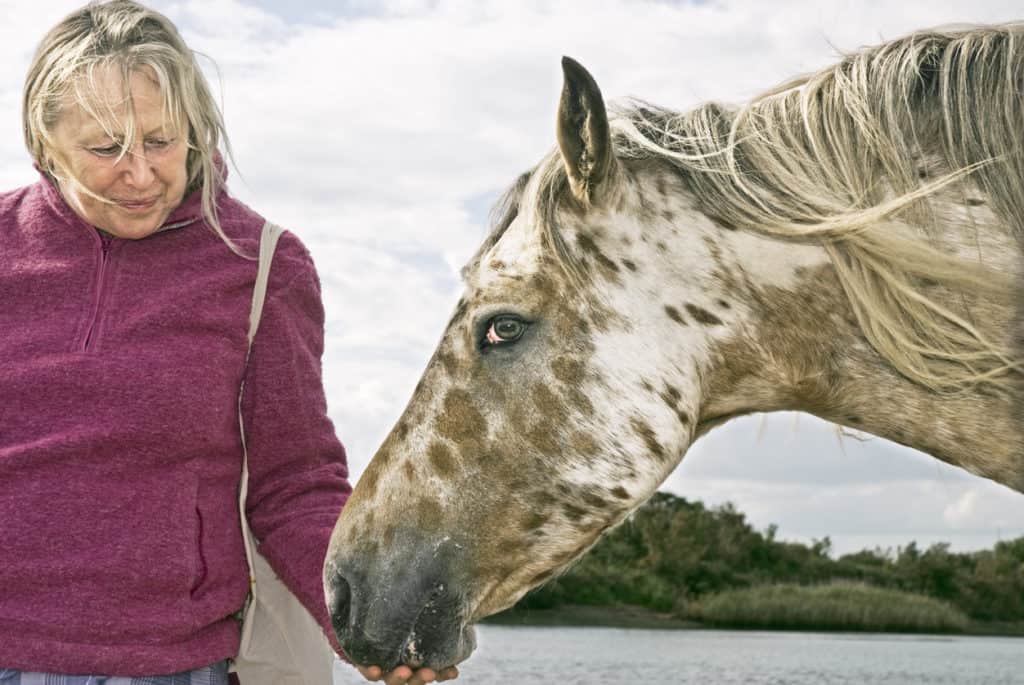
Survey respondents said a geriatric horse’s ability to lead a comfortable life ranked highest in their veterinary care decisions, and many owners said they’d made numerous accommodations for their animals’ needs.

Horse health care often requires teamwork. Use these tips to find the right equine health professionals for your team.

If a horse tests positive for Lyme disease antibodies, does that mean the horse has the disease? Dr. Eric Swinebroad responds.

Equine internal medicine specialist Dr. Eric Swinebroad offers an overview of testing available for Lyme disease.

Lyme disease is notoriously difficult to diagnose and has (or might not have) a myriad of vague (or not-so-vague) clinical signs in horses. Learn about this tick-borne disease and get your questions answered during our live Q&A.

Dr. Steve Reed shares what owners need to know to protect their horses from Eastern, Western, and Venezuelan equine encephalitis.
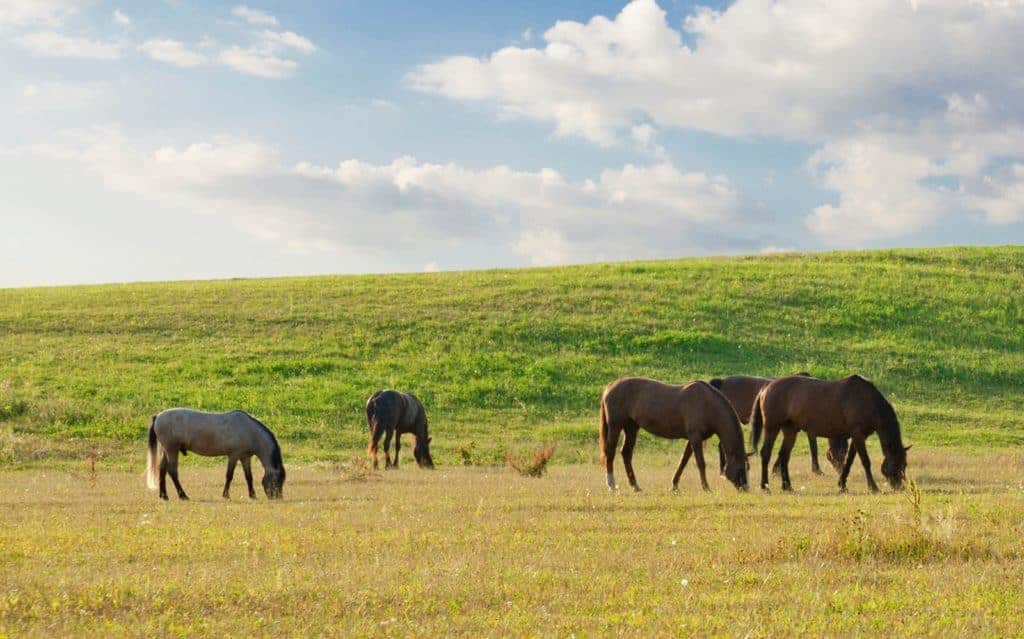
Are you confused about what it means if your horse has either high or low internal parasite egg counts? Dr. Ray Kaplan explains.

Years ago, vets relied on clinical signs to diagnose PPID. Find out how the disease is diagnosed now.

Did you know your horse could be suffering from equine Cushing’s disease long before his coat turns long and curly? Learn how to recognize subtle signs and offer your horse an early intervention for PPID.