Important Colic Observations
Owners can help their vets diagnose colic by offering the afflicted horse’s complete health history.

Owners can help their vets diagnose colic by offering the afflicted horse’s complete health history.
One Health recognizes that human health, animal health, and the environment are all interconnected.
Lecture topics will include exercise intolerance, wound care, hoof care, ophthalmology, and more.
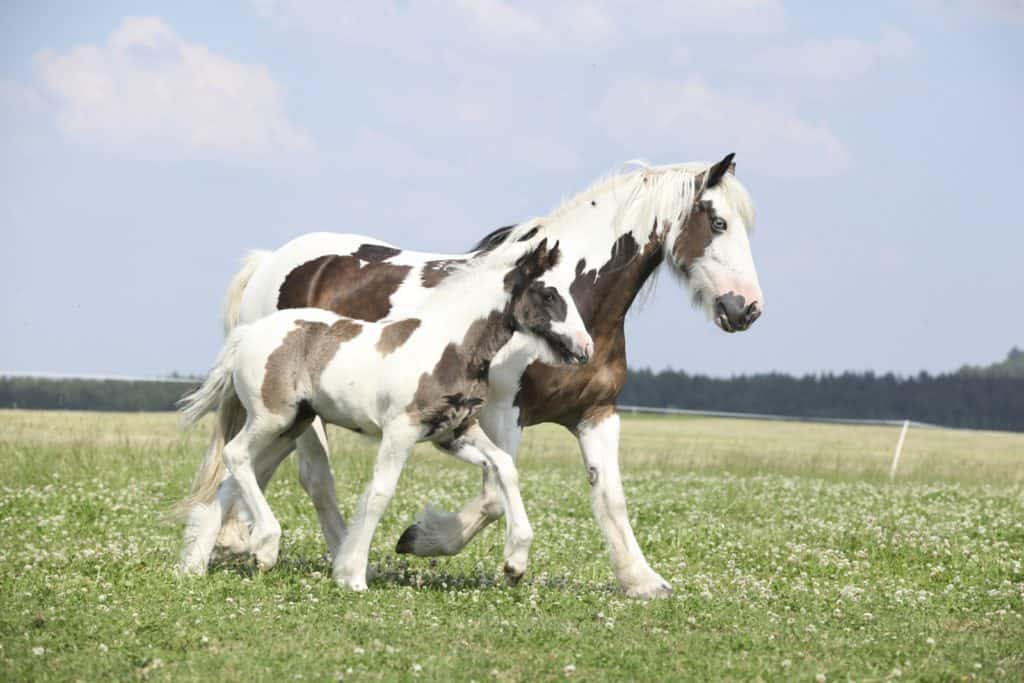
There are a number of factors that must be weighed in making the decision on whether to breed a mare.

Vets caring for Friesians should interpret a few tests differently than they would in the average horse.
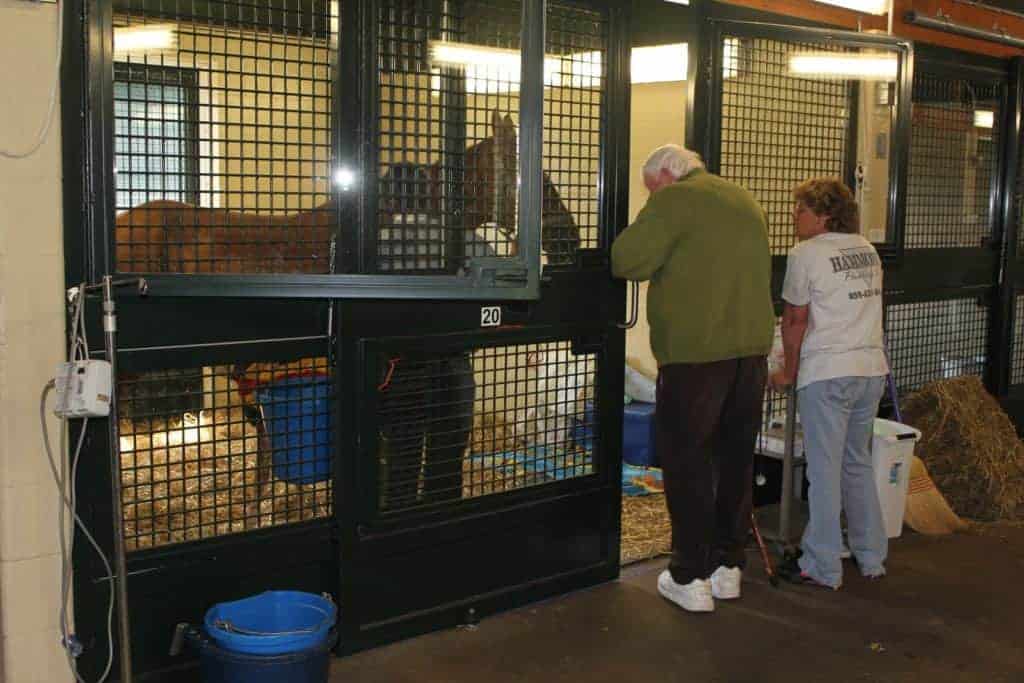
Veterinarians completed guidelines for owners and practitioners to use when dealing with referral cases.

Maintaining a healthy weight and diet is just as important for our horses as it is for us.

Considering end-of-life decisions for your horse ahead of time will help minimize the unpleasantness inherent in these events and serve to provide optimal care for your horse.

Find out what legal recourse you might have against a seller after you buy a lame horse.
The app is designed to help owners make better health-care choices for animals in a “horse-side” format.

Equine collapse frequently presents a diagnostic challenge for veterinarians, and many cases go unsolved.

Ever wonder which vaccines your horse needs to stay healthy and why? Learn about building equine immunity, how vaccines work, and proper vaccination handling and administration in this free one-hour event.
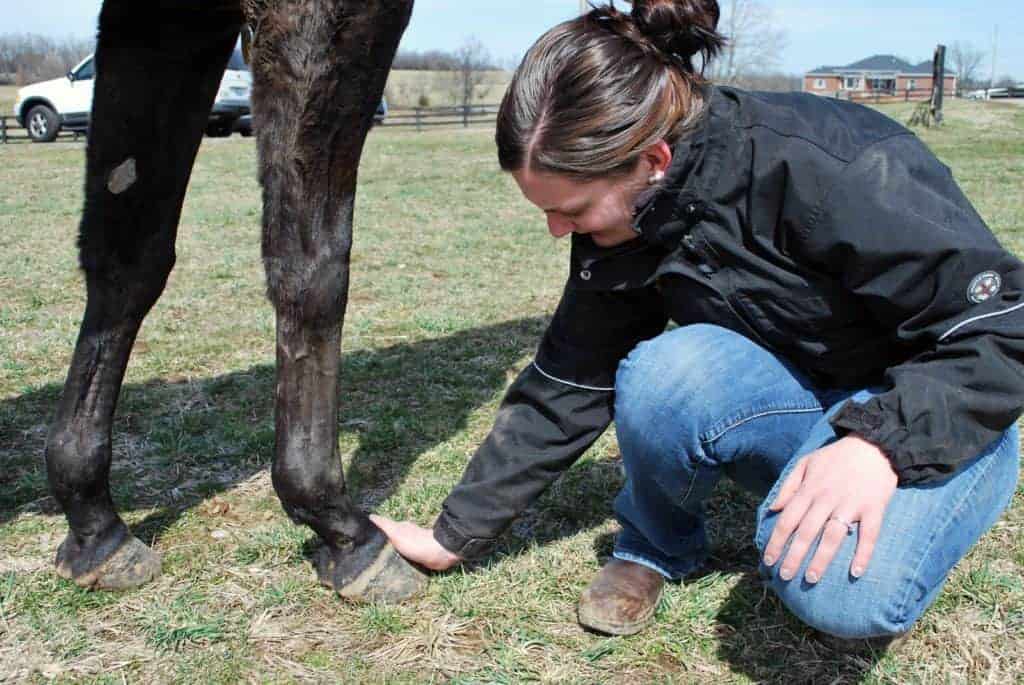
Examine your horse’s vital signs, body, and behavior on a regular basis to be a better horse owner.
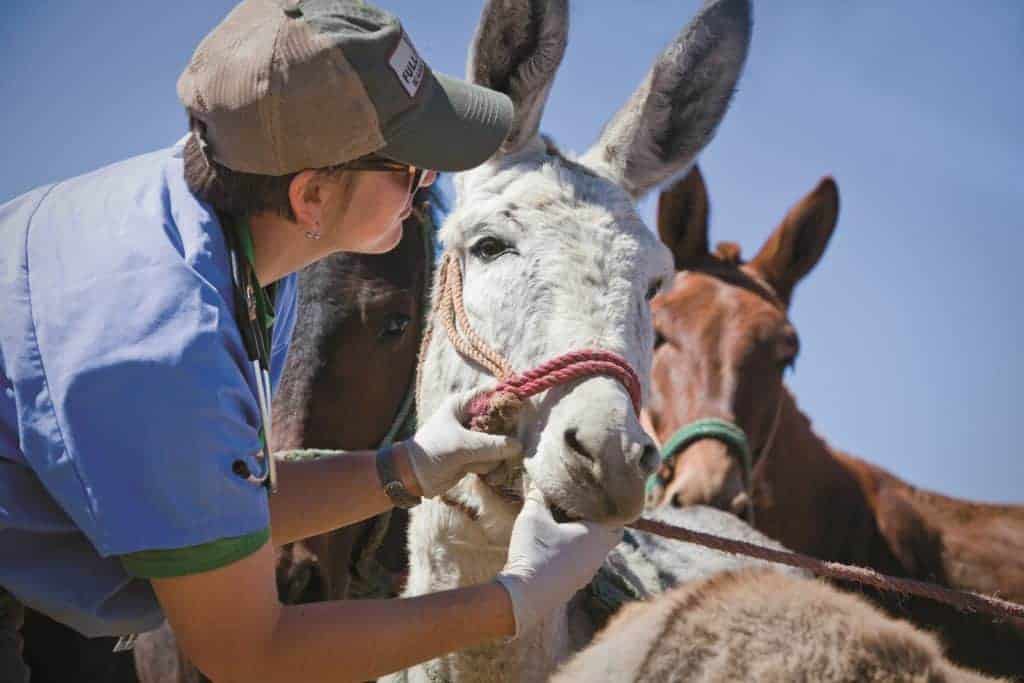
Veterinarians across the globe are working together to improve health care and living conditions for working equids.
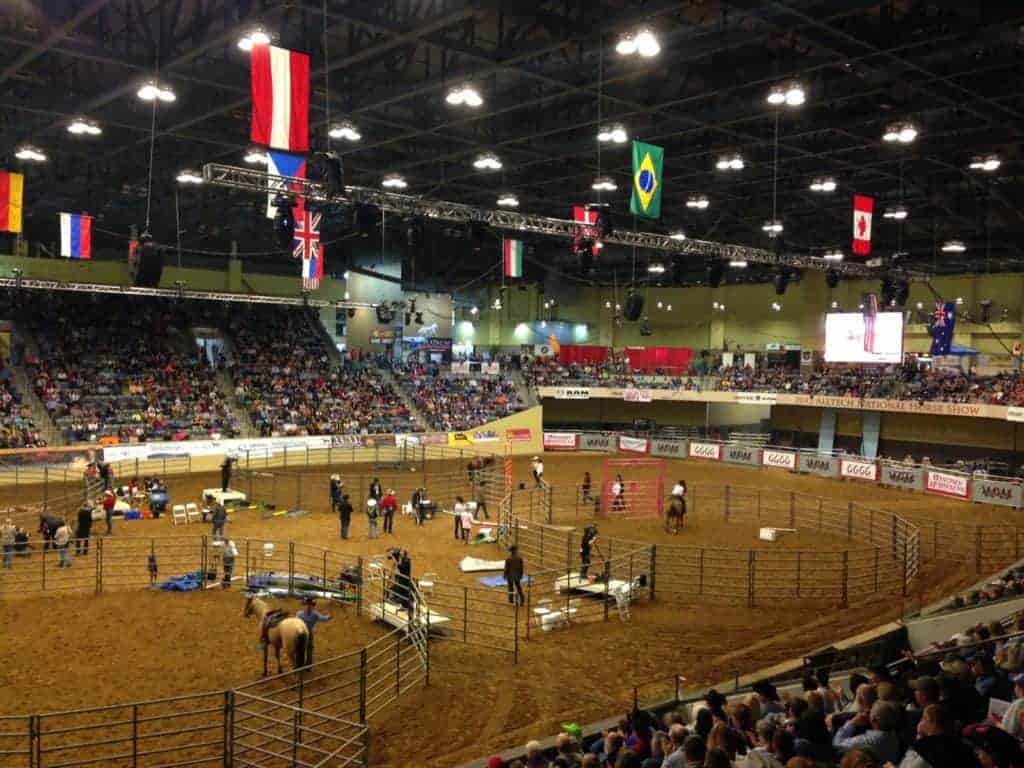
Dr. Glenn Blodgett describes how many vets are at the 2013 Road to the Horse training competition.

Dr. Glenn Blodgett of 6666 Ranch describes seeing horses he’s cared for participate in the 2013 Road to the Horse.