A Look Inside Your Horse’s Compounded Medications
Horse owners and veterinarians should ensure horses are receiving safe and effective compounded treatments.

Horse owners and veterinarians should ensure horses are receiving safe and effective compounded treatments.

Paraneoplastic manifestations are often the first clue a horse has developed an internal form of cancer.
The 23 mares that make up the Rutgers University research herd are now available for sponsorship.
The AAEP is accepting final nominations for their Good Works For Horses Campaign until Sept. 30.

Salmonellosis and colitis–two equine ailments that are commonly associated with each other–are a bit like the chicken and the egg: you don’t always know which came first, according to Jamie DeFazio, CVT, VTS-EVN.

When a horse is sick, good biosecurity could mean the difference between an isolated infection and an epidemic
Some important medical conditions are being overlooked by some owners and caretakers of geriatric horses.
Protecting a foal from infectious diseases begins before birth.
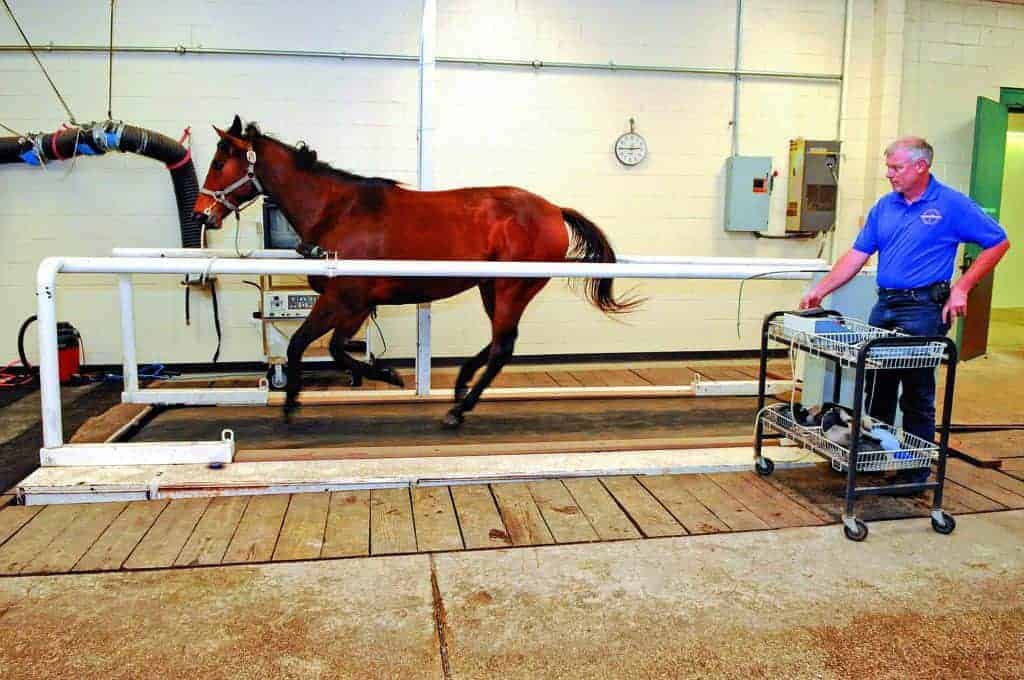
Researchers determined that few injuries occur to horses during treadmill exercise.
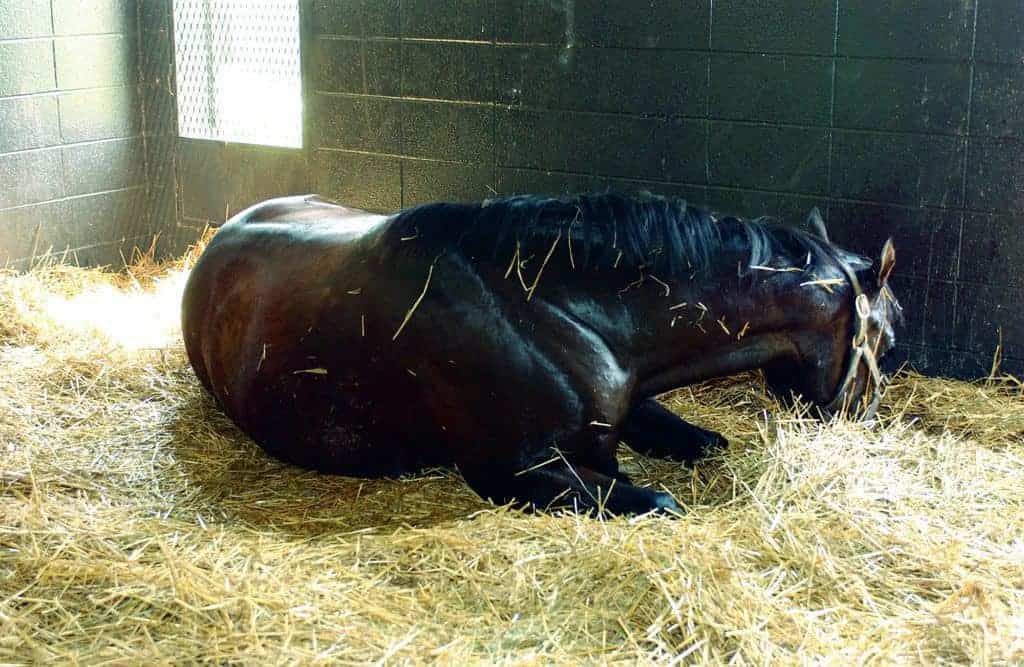
What are the most important things to consider and employ when dealing with a horse affected by chronic colic?
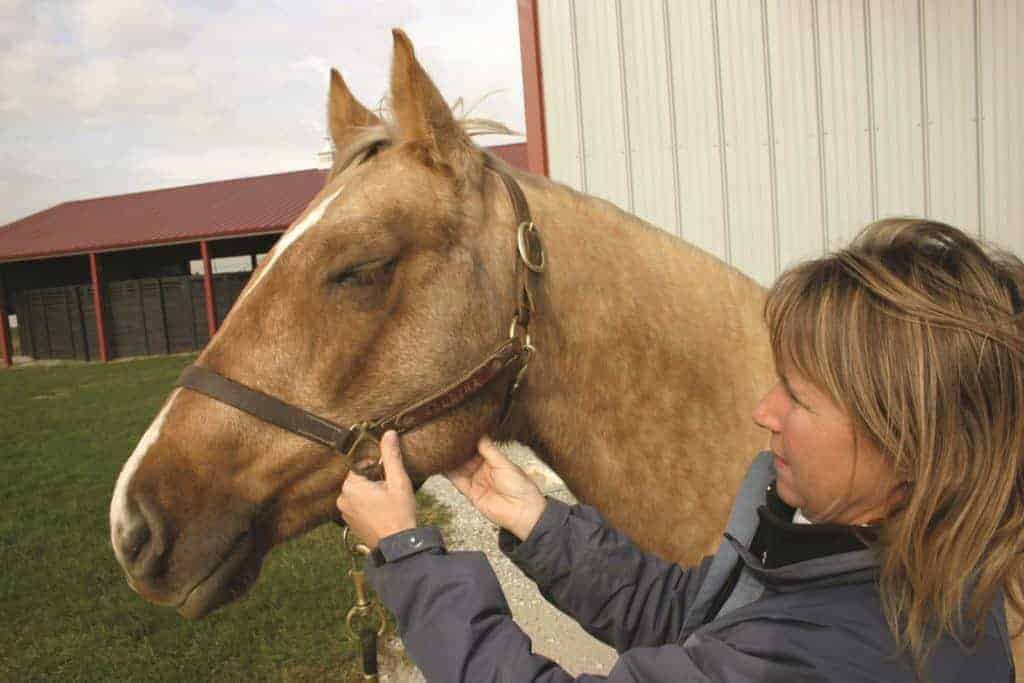
Quick reference guide on normal temperature, heart rate, and breathing rate in horses.

Researchers evaluate the possibility of using nanoparticles to diagnose and treat some ailments.

What factors do veterinarians look for when deciding whether to refer a horse to a hospital for colic surgery?
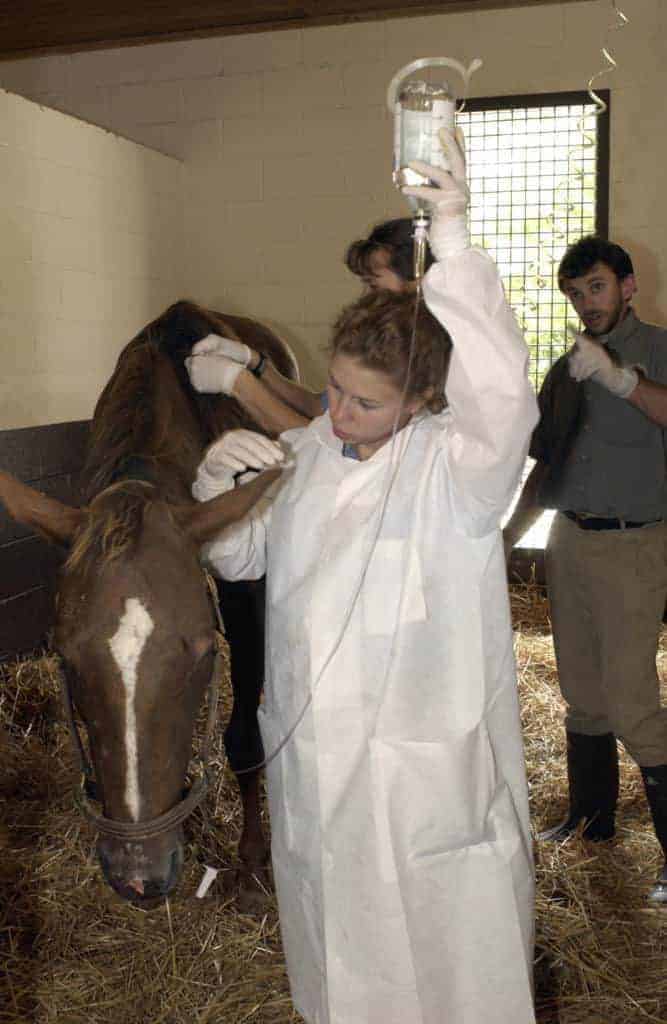
Equine veterinarians are 23 times more likely to contract antibiotic-resistant bacteria than horse owners.
Tune in for TheHorse.com’s free webinar on pain management on August 30, 8-9 p.m. Eastern U.S. time.
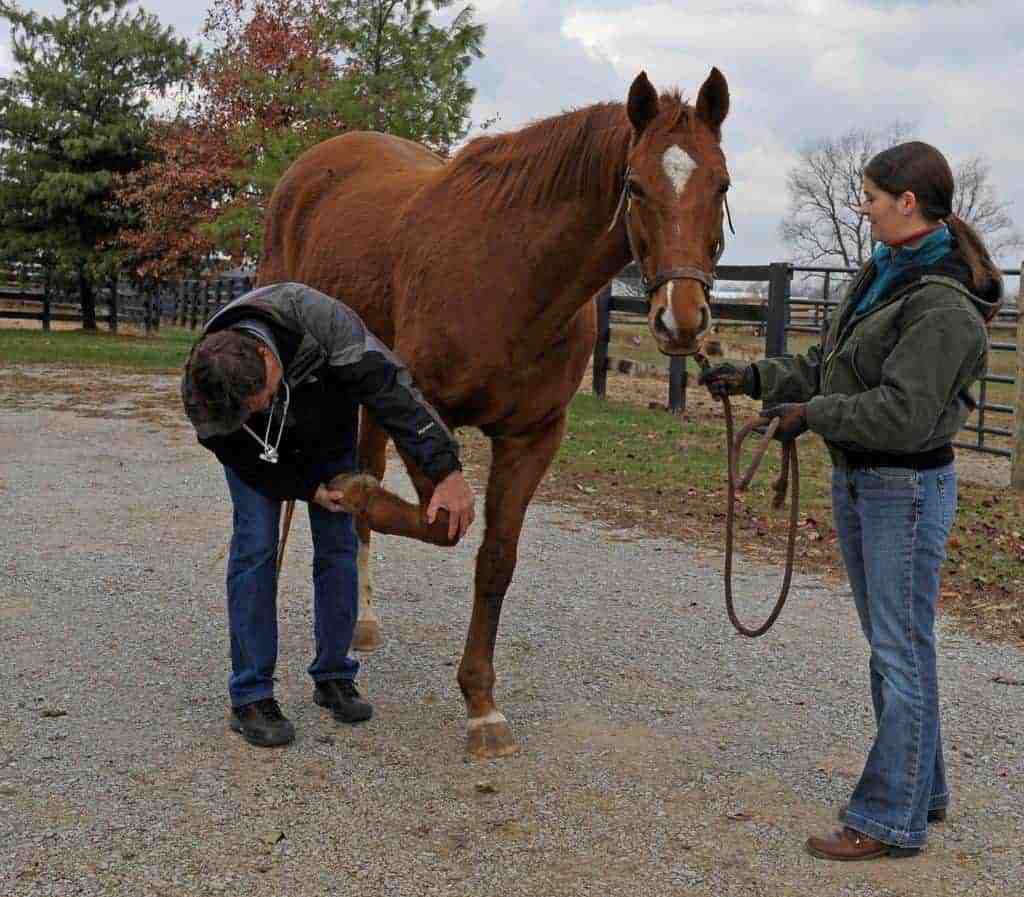
What can vets and owners do to make veterinary visits less stressful for the horses and people involved?