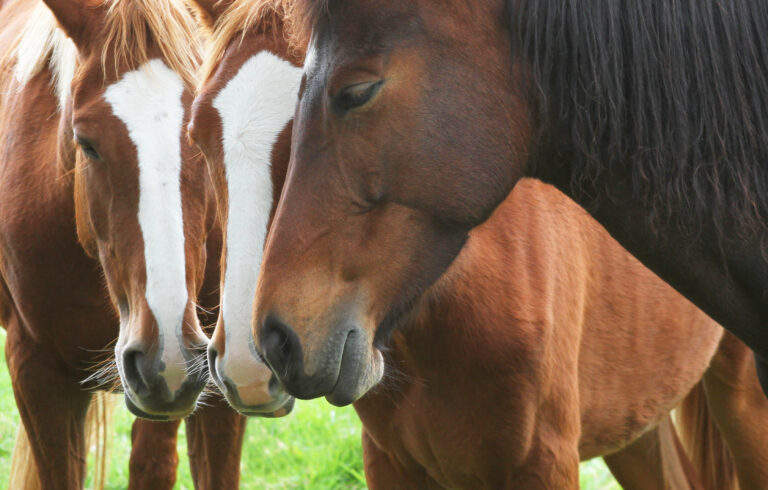
Head and Neck Position’s Effects on Horse Behavior Studied
Researchers identified more behavioral signs of discomfort in horses with heads held behind the vertical.

Researchers identified more behavioral signs of discomfort in horses with heads held behind the vertical.
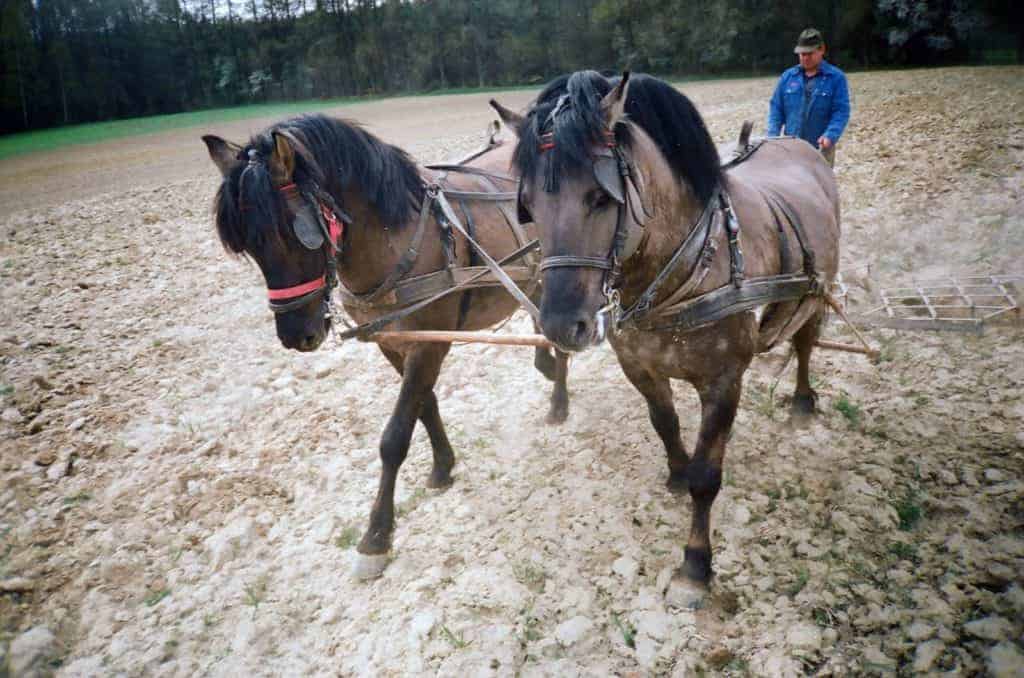
While the program proved stressful, physical parameters appeared within normal limits of horses in training.
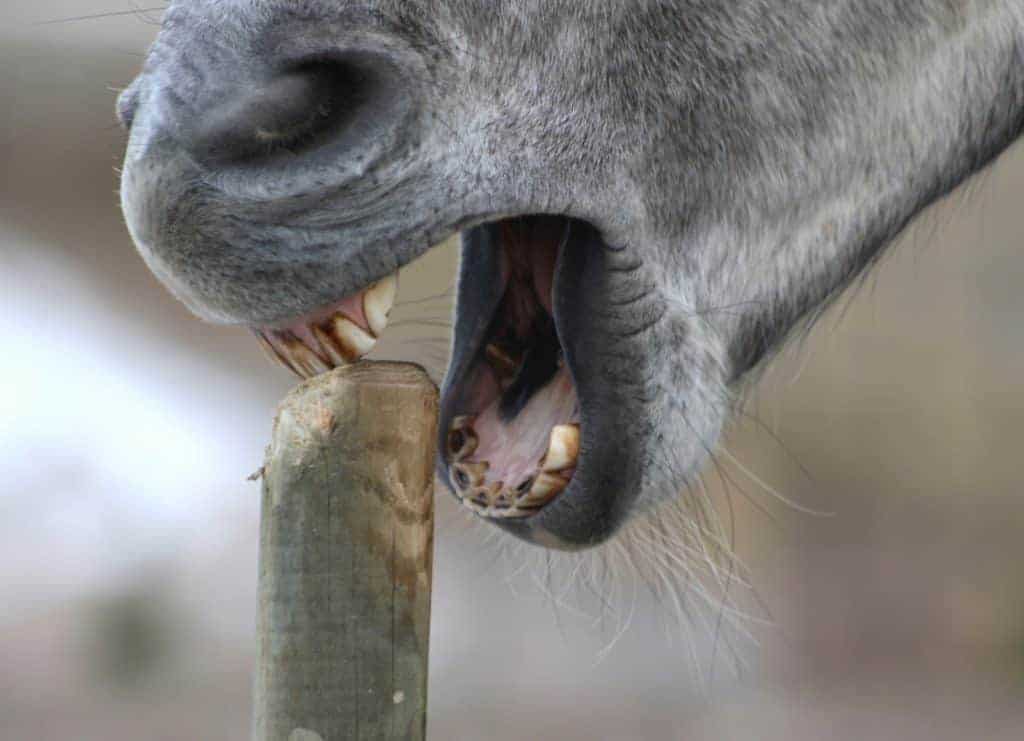
British researchers found horses that crib spend less time in “standing sleep” mode than horses that don’t.

Thanks to British researchers, we’re getting a better understand what defines a “happy” equine athlete.


The staff at TheHorse.com tallied the most popular articles of 2012. Did your favorites make the list?
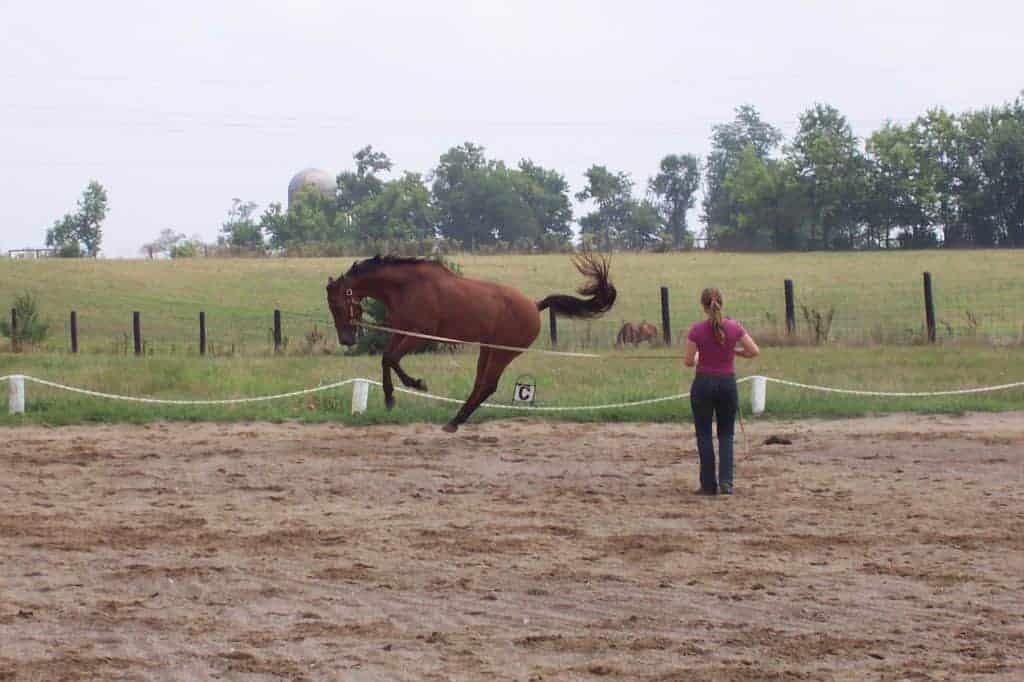
Experts advise ruling out medical issues for animals experiencing behavior problems before taking other steps.

By working objectively, equitation scientists could enter a new dimension of understanding equine behavior.
How do you keep a spooky horse calm during long-distance transportation?
Are there behavior modifications we could try or training methods to deal with our gelding’s aggression?

“The road ahead is all about what science can do for the horse,” one international rider says.

Topics covered include herd behavior, bringing horses in and turning them out, and pasture maintenance.
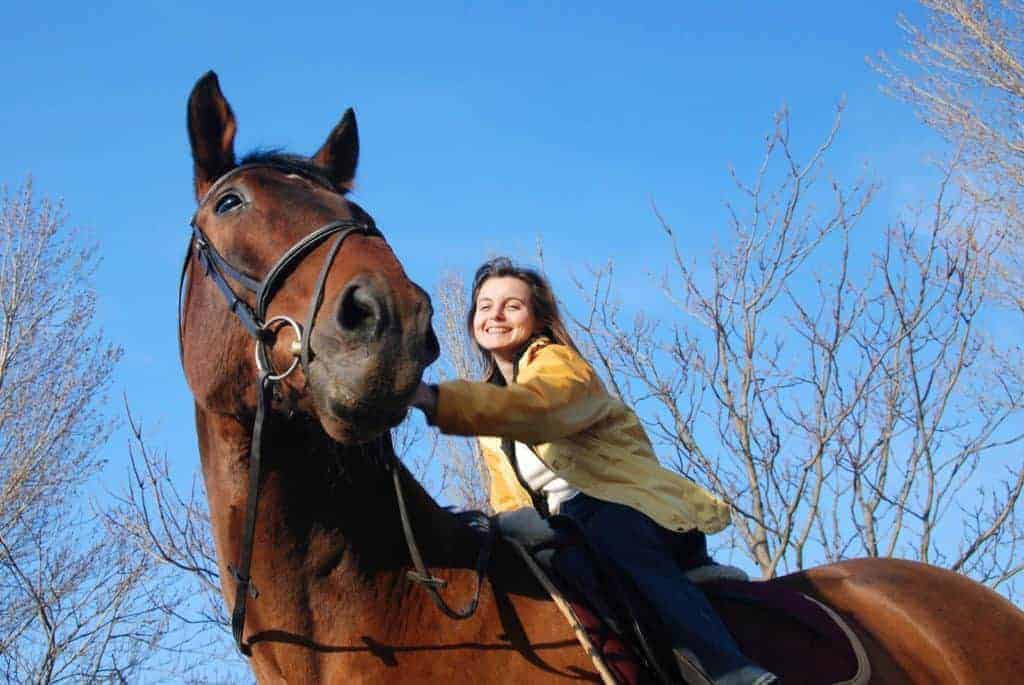
One researcher relayed that study findings indicate horses might have more trust in familiar rider.

One welfare group uses learning theory techniques to keep feral or neglected horses and their handlers safe.

Paying attention to horses’ psychological factors is key to ensuring success in work and mental well-being.

Research on escape and avoidance can help trainers improve techniques to benefit horse welfare.