Mules Rule Over Horses, Donkeys in Spatial Cognition Tests
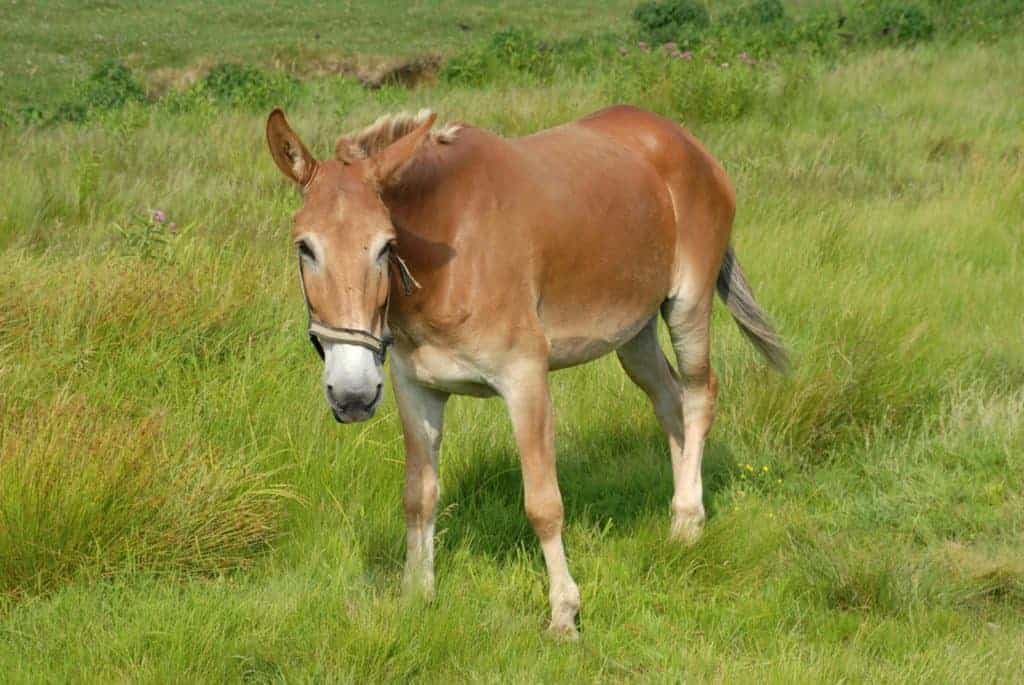
Mules appear to have a faster capacity to navigate around objects than horses and donkeys, researchers say.

Mules appear to have a faster capacity to navigate around objects than horses and donkeys, researchers say.

Do you love draft horses? Learn about 10 of their unique health and management needs in this special report.
Washington’s Thoroughbred Showcase, featuring 30+ former racehorses, will be held Aug. 31 at Emerald Downs.
Judge Mary Lou Robinson said she will sign an order requiring the AQHA to register cloned animals.
What could a recent Texas ruling about registering horse-clones with the AQHA mean for Thoroughbred breeders?

Equine immunodeficiencies can be challenging to diagnose, and even more difficult–or impossible–to manage.
He was euthanized due to an inoperable mass in multiple sinus cavities and around his optic nerves.
The HSUS has received a five-year $760,000 grant to help promote the protection of wild burros.
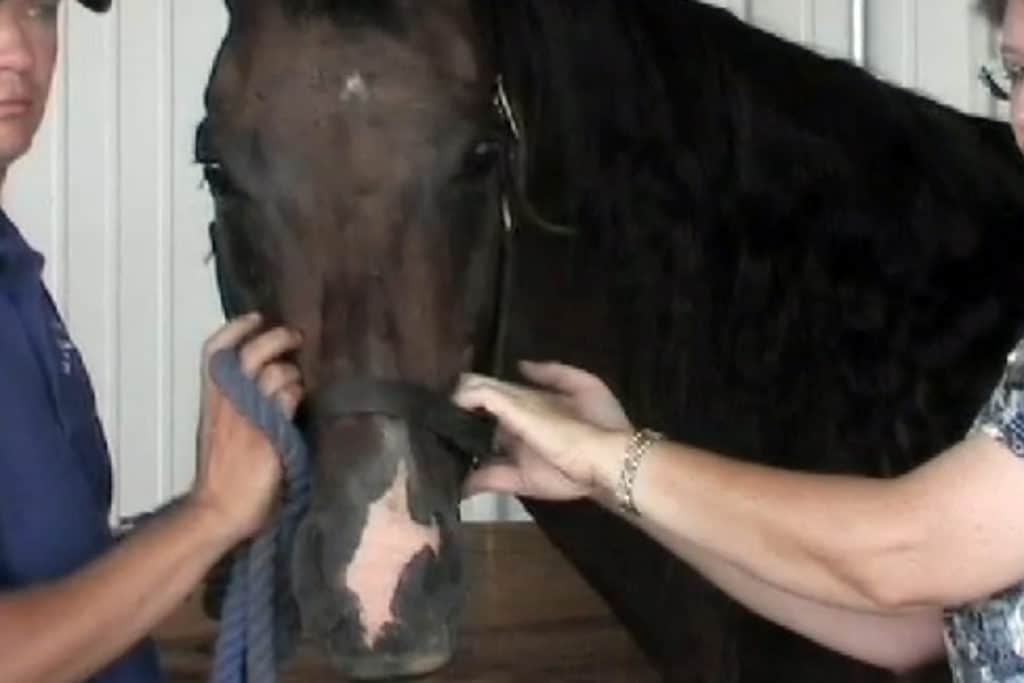
Dr. Scott Palmer explains how vital signs are used to monitor racehorses during and after training.

The number and severity of lesions present could impact a horse’s future racing performance.
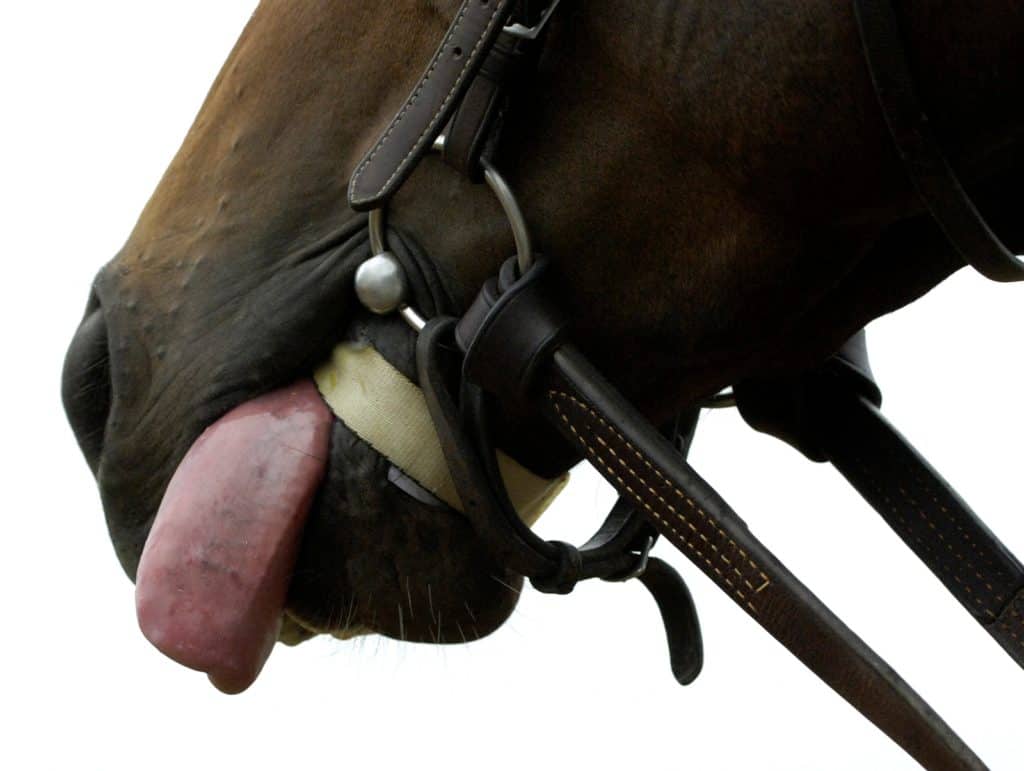
Dr. Scott Palmer explains why some racehorses wear tongue ties and why this equipment is important.
The facilities are now able to receive financial support from the TAA for the care of retired Thoroughbreds.
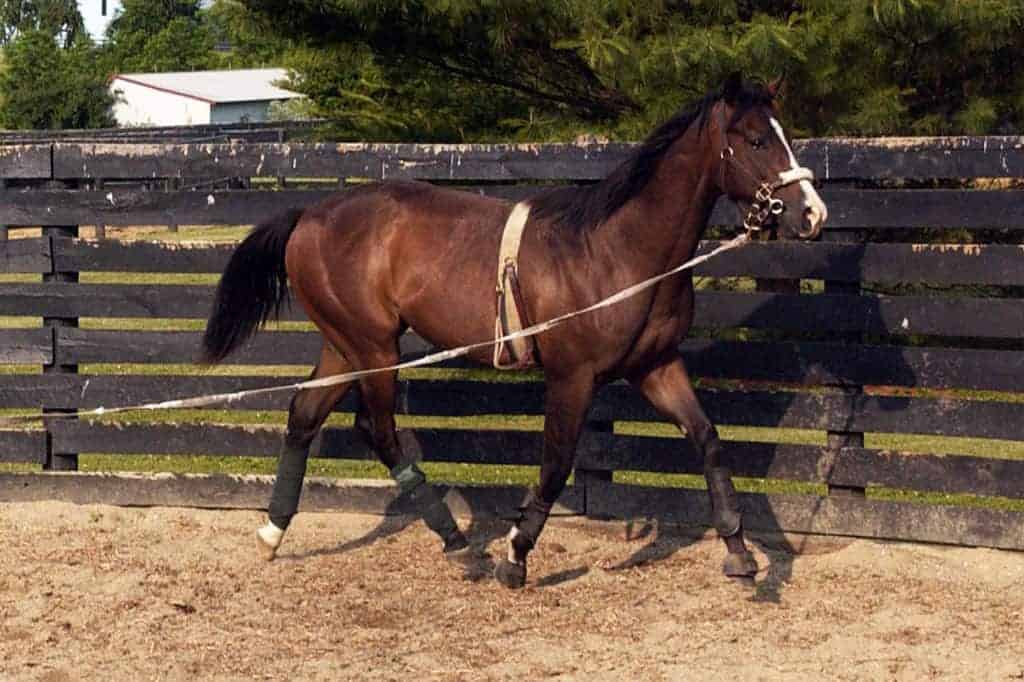
Vets evaluated the potential application of dynamic endoscopy when examining Thoroughbred yearlings.
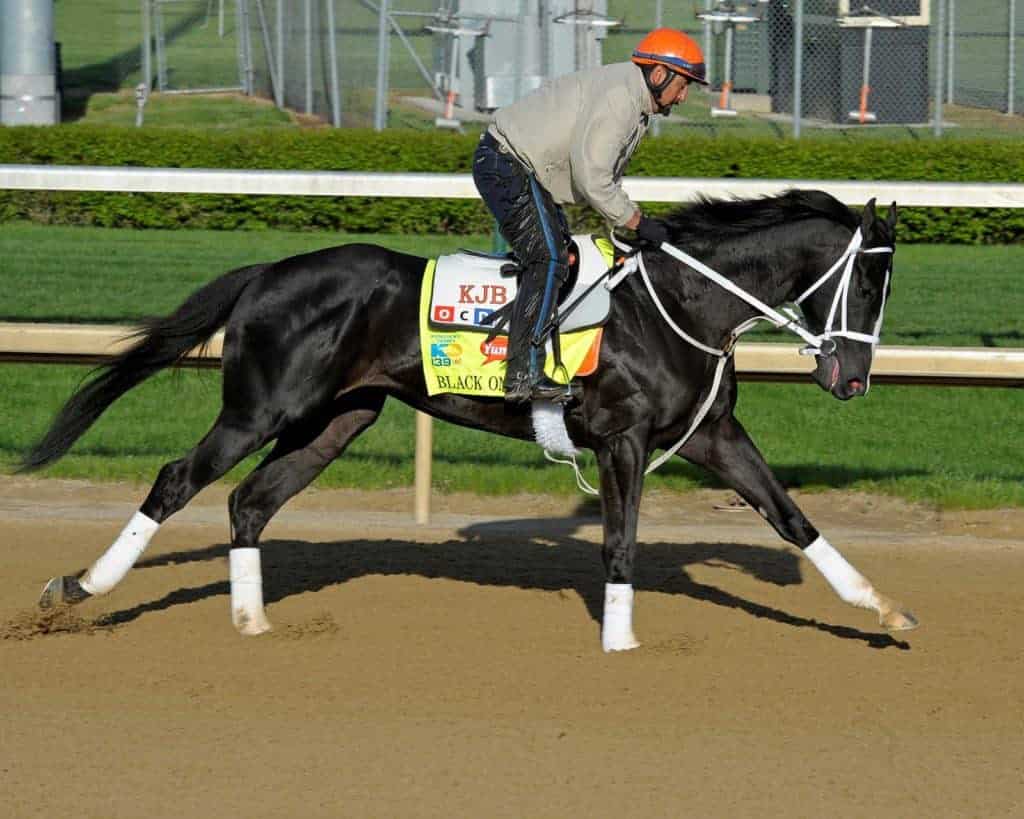
Dr. Larry Bramlage, AAEP On Call veterinarian, describes his role of relaying information from treating vets to the media.

Dr. Larry Bramlage describes the evolution of the AAEP On Call Program for large horse races such as the Kentucky Derby.