Stirrup Placement and Rider Biomechanics: What’s the Link?
Rider biomechanics significantly impact horse biomechanics, affecting performance, musculoskeletal health, and welfare.

Rider biomechanics significantly impact horse biomechanics, affecting performance, musculoskeletal health, and welfare.

Lameness was the most common issue ride vets found, but 48% of affected horses had no further vet exams or treatment.
The program will focus on the latest research, from equine pain recognition to rider posture and equine biomechanics.

After four weeks of resistance band training, horses showed less unwanted vertebral movement along the back.

Objective measurements can lead to more targeted therapy and provide a basis for comparison as the horse improves.
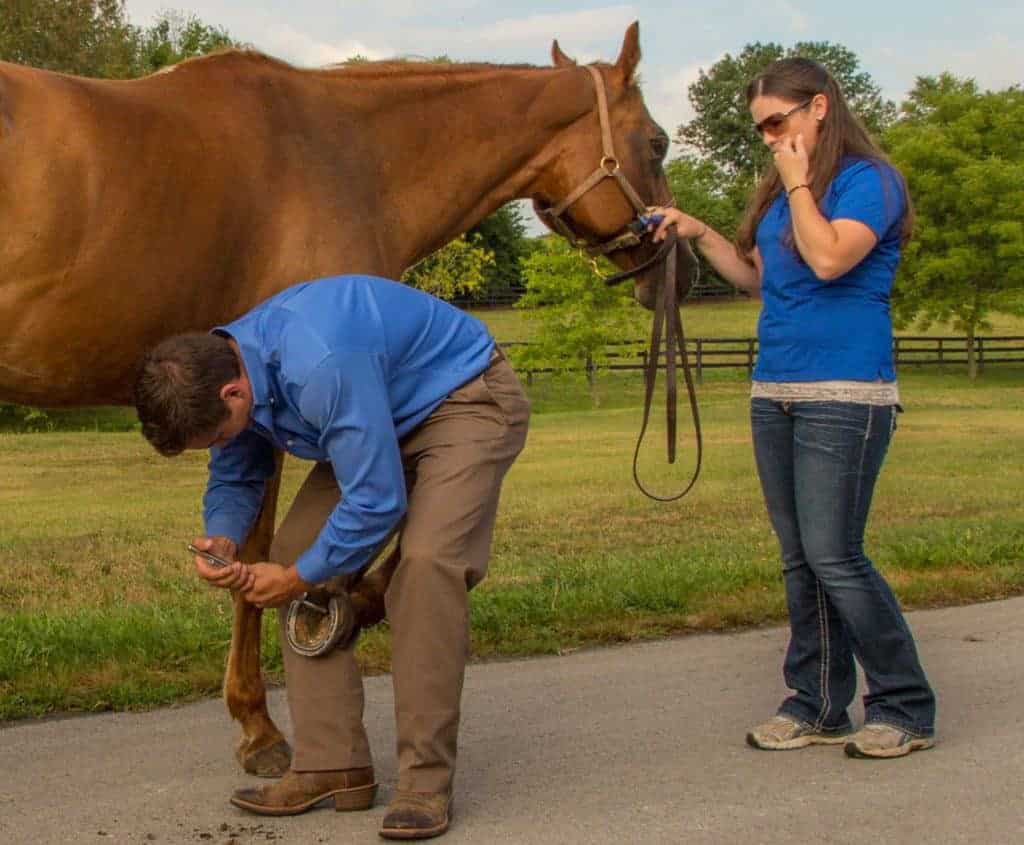
Of the 755 respondents, 209 (28%) said foot-related lameness is their biggest equine lameness concern.

Changes in force distribution, combined with saddle fit, have a big impact on equine back health, for better or worse.

Learn how the all-important equine back functions and how to prevent problems from developing.

Our sources share nine ways to help your sport horse perform at his best.

A custom-designed equine CT table and a commercial Big Bore scanner make it possible to image neck lesions in horses.

A saddle fitter shares some early warning signs that your tack and your horse’s back aren’t meshing.
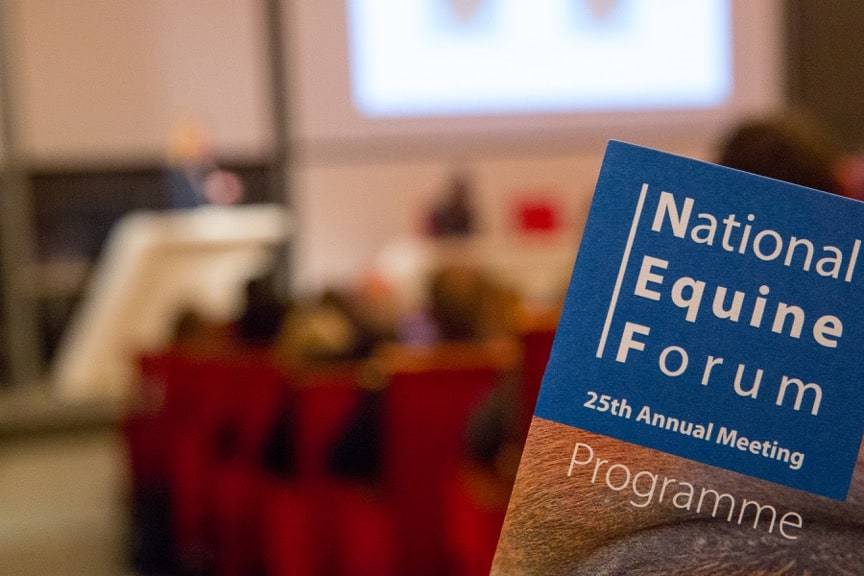
Panelists discussed the potential impact on equine trade, identification, biosecurity, competition travel, and more.

Of the 665 respondents, 220 (33%) said their horses receive chiropractic care on a routine basis.

A properly fitting saddle is key to keeping any ridden horse healthy and performing at its best.
Tweets and take-homes from sessions on lameness, rehabilitation, equine back issues, and more!

Tweets from the Kester News Hour and other sessions on dental care, soft tissue injuries, saddle fit, and more.