Hoof Care for EMS Horses
Find out how to recognize when a horse is at risk of developing EMS-related laminitis and what you can do to either prevent or manage it so he stays sound.

Find out how to recognize when a horse is at risk of developing EMS-related laminitis and what you can do to either prevent or manage it so he stays sound.
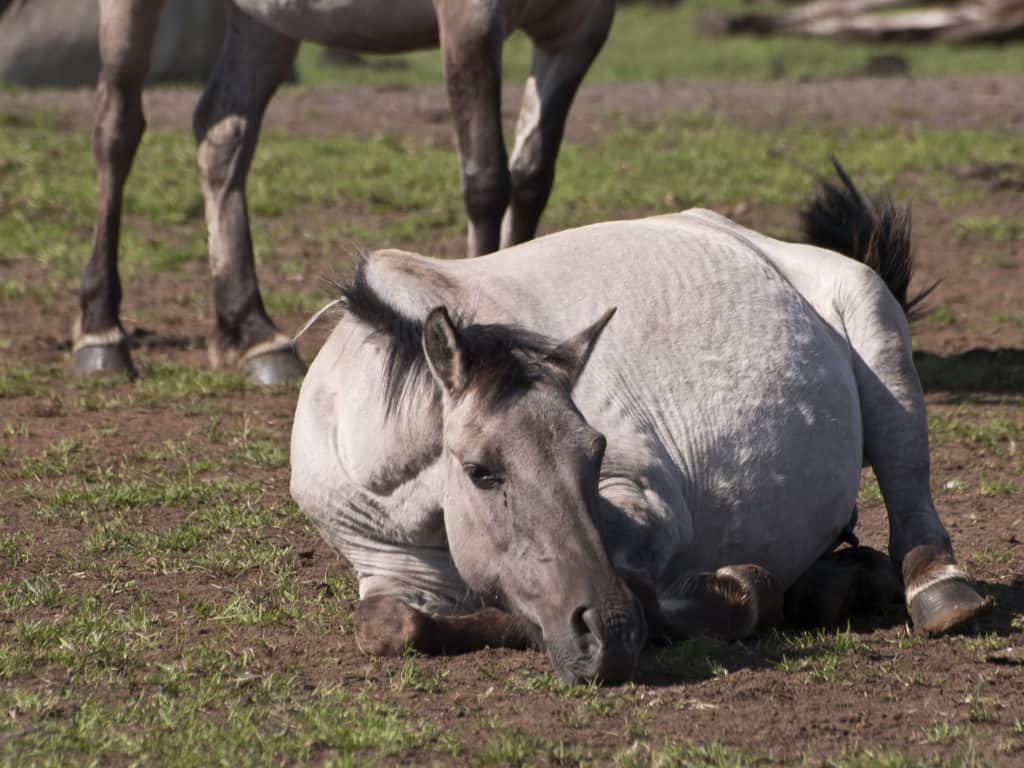
Many conditions besides colic can cause coliclike signs. And with colic, delayed treatment or misdiagnosis can have serious consequences. Here’s what you need to know.

Equine osteoarthritis in the hind limb can be a painful condition for the horse, but your veterinarian can help.

When faced with the decision of whether or not to send your senior horse into colic surgery, consider these factors.

Dr. Kelly Vineyard describes the best ways to help an older horse with poor dentition gain weight without putting him at risk of choke or GI problems.

When your older horse’s pearly whites are past their prime, keep an eye out for signs of specific problems.
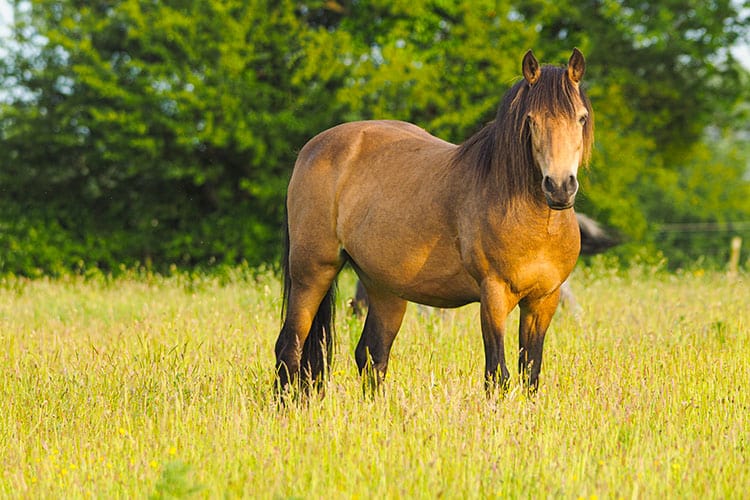
Here are some tips for promoting nonworking horses’ optimal health (and preventing potential problems) with nutrition.

An owner’s Morgan mare might have something wrong with her teeth. A veterinarian with an interest in equine dentistry explains what to expect from the dental examination.

As your horse ages, dental problems might develop that require changes to his diet.

Brush up on your equine oral health knowledge with these facts about dental anatomy, issues, and exams.

Cold, inclement weather and poor footing can create challenges for exercising horses during the winter. Here are some factors to keep in mind.

Researchers believe this dewormer might still be effective in horses with PPID, formerly known as equine Cushing’s disease, despite their altered immune function.

Learn how the parts of a horse’s stifle joint work together to enable movement, and explore 4 common issues that can cause stifle dysfunction.

Researchers found that aged horses with PPID (equine Cushing’s disease) might be at a higher risk of losing bone density, especially in non-weight-bearing bones.

‘Serviceable soundness’ is key for any horse to perform comfortably. Explore what this concept means to professionals across the equine industry.

If your horse stops eating, consult a vet to rule out medical issues, check feed quality, consider behavioral factors, and use palatable options to stimulate appetite.