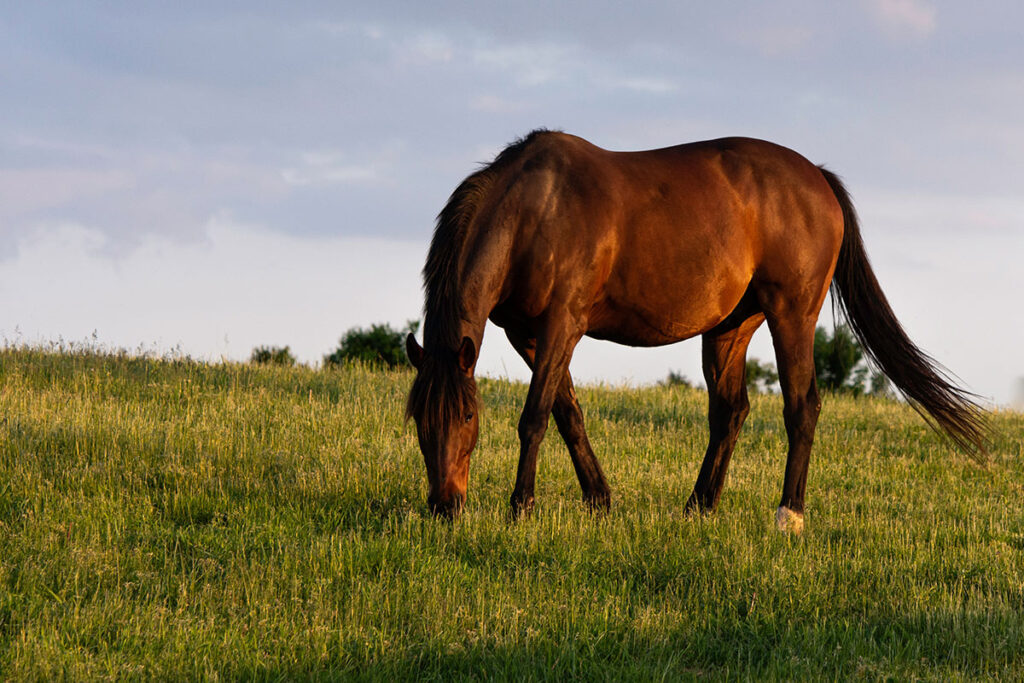
Researchers believe PPID (formerly called equine Cushing’s disease) might have negative effects on mare fertility but need more research to understand why.

Vitamins and minerals comprise a small portion of the horse’s diet by weight, but their importance is enormous. Learn more about when supplementation might be needed.

Drs. Sherry Johnson and Kelly Zeytoonian, paid consultants of American Regent Animal Health, share their experiences using Adequan i.m.® (polysulfated glycosaminoglycan) as part of their multimodal approach to managing degenerative joint disease (DJD).
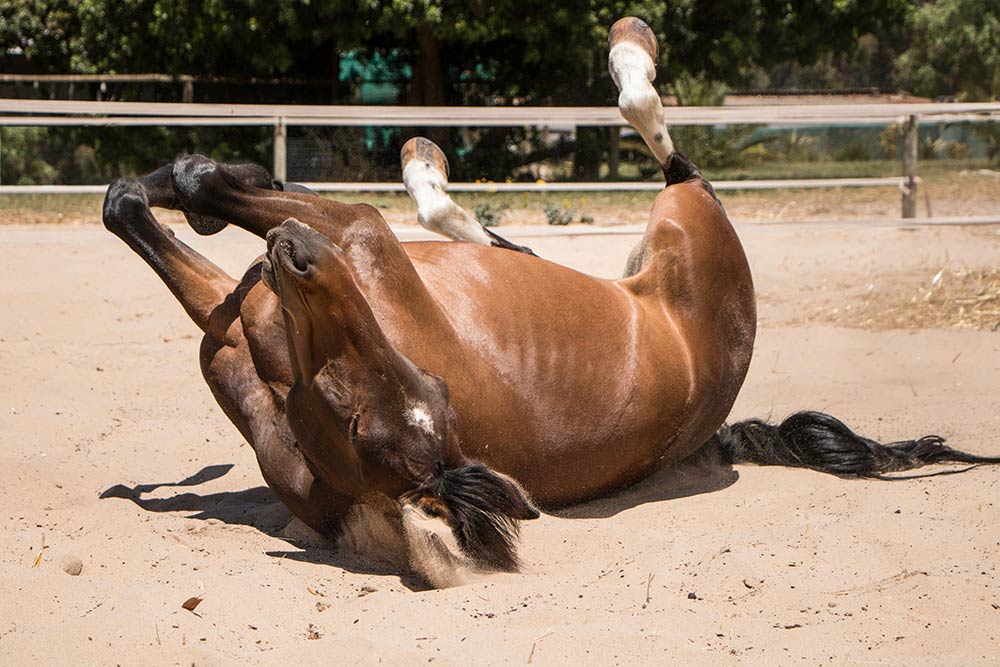
Don’t take a wait-and-watch approach when it comes to this common cause of colic in older horses.

The oral sugar and thyroid-releasing hormone (TRH) stimulation tests are the gold standards for diagnosing ID and PPID (equine Cushing’s disease), respectively.

Horses give us plenty of cues when they’re dealing with early illness. To help you recognize them and intervene accordingly, here is a 10-point list of warning signs.

A podiatrist gives his tips for keeping a horse with chronic laminitis and equine metabolic syndrome comfortable.

An equine nutritionist shares tips to reduce impaction colic risk in senior horses, focusing on hydration, digestion, proper feeding practices, and more.

Early diagnosis and proper treatment of these joint problems can make the difference in whether the horse can return to soundness.

A horse’s ridden or competitive career doesn’t have to end after an osteoarthritis diagnosis. Two experts share tips for conditioning these animals.

Researchers believe exercise, stress, and diet can contribute to leaky gut in horses, but a prebiotic product might reduce the incidence.

Extruded horse feeds offer higher digestibility, longer consumption time, and decreased dust and pathogens, making them an ideal option for feeding some types of horses.

What could cause a horse to develop equine odontoclastic tooth resorption and hypercementosis (EOTRH)?

One veterinarian describes what management changes you can make to keep your arthritic horse comfortable.

Learn what you can do to help your horse recover from a joint injury and give him a better prognosis for the future.