Why is My Horse Aggressive in the Stall?
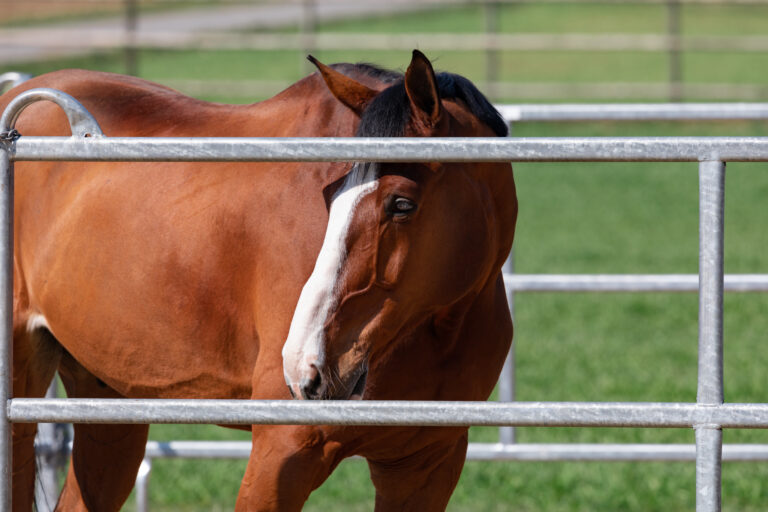
A senior mare gets grumpy when other horses walk by her in the barn. Our equine behaviorist looks at possible reasons why and how her owner can fix her aggressive behavior.

A senior mare gets grumpy when other horses walk by her in the barn. Our equine behaviorist looks at possible reasons why and how her owner can fix her aggressive behavior.

Taylor Equine Hospital assistant Ali Harman’s dream job involves clinic cases, farm calls, and foal watch.

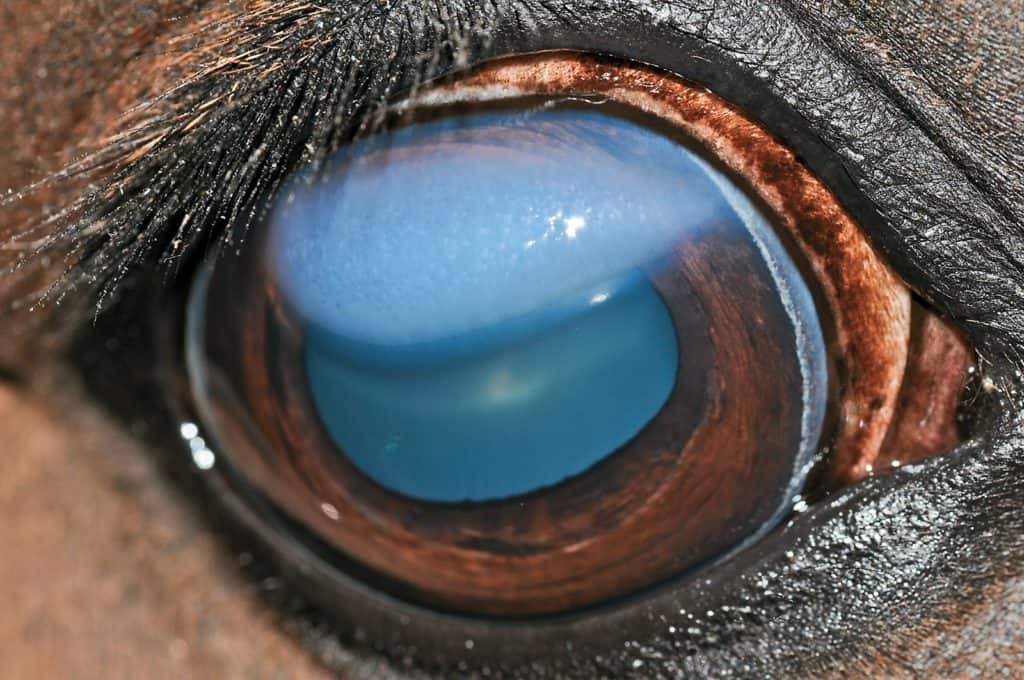
A number of things—some benign, some serious—can cause a cloudy eye. Here’s what you need to know.

Researchers have determined that the matrix—a stretchy, sticky, weblike structure within the tendon—loses its resistance over time. This could play a role in tendon problems in old horses.

In recent years, veterinarians have started observing pathologic fractures, which are caused by a weak bone structure, in horses with PPID.

Describing age-related structural changes in senior horse hearts is a critical first step in recognizing pathologies. However, researchers say it’s too soon to know how those age-related changes affect horse health.

Results from a study on a small population of horses suggest that freezing samples for short periods before testing won’t impact the results.

Find out how Claire Godwin, DVM, keeps her 27-year-old endurance horse PL Mercury in elite condition, from joint support to conditioning tactics.

A custom-fitted thermoplastic glue-on shoe, designed to support the frog, made study ponies at-risk for laminitis more comfortable within three days, researchers said.

Survey respondents said a geriatric horse’s ability to lead a comfortable life ranked highest in their veterinary care decisions, and many owners said they’d made numerous accommodations for their animals’ needs.

Caring for the older horse can require special attention to his needs. Download this free guide to find out what health issues to watch for and how to keep your senior horse happy and healthy.

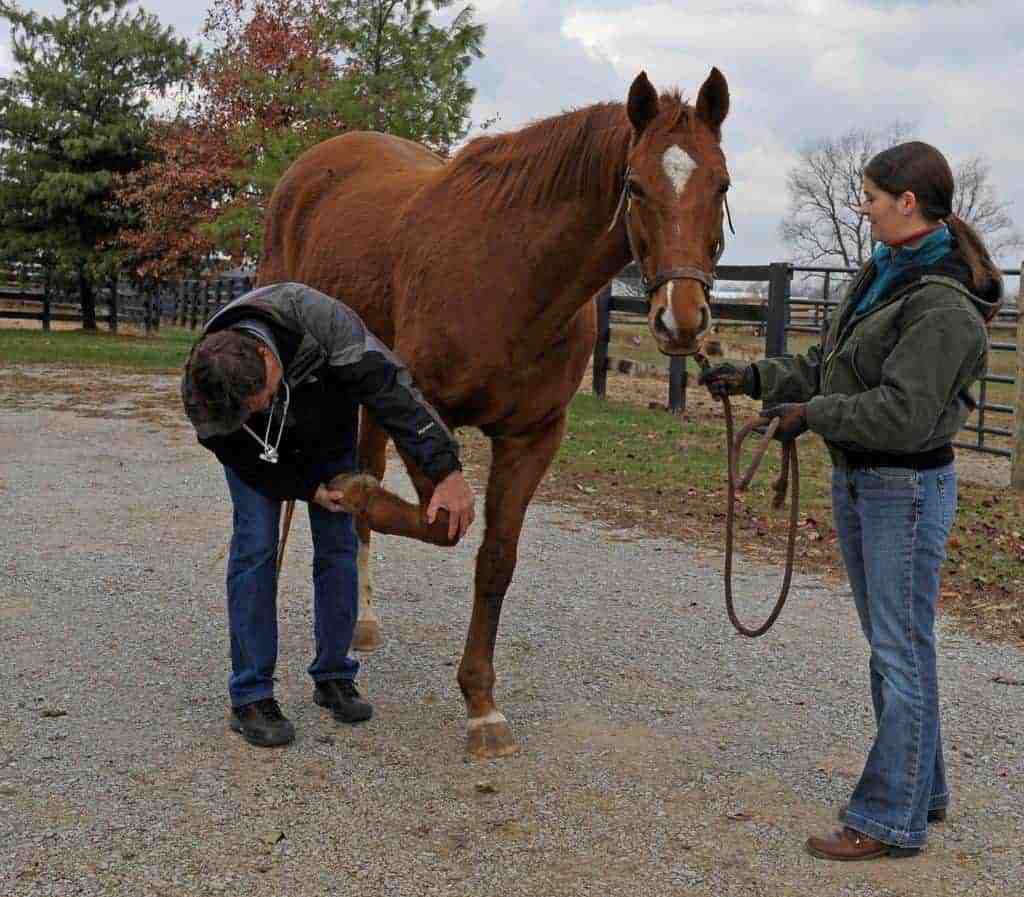
Two veterinarians share what has remained the same and what’s changing when it comes to diagnosing and treating this frustrating condition, once known as navicular. Read an excerpt from this in-depth article in our July 2018 issue.

Nutritionist Dr. Clair Thunes explains why ration-balancer protein contents might seem high but aren’t.

Although owners are frequently warned against the consequences of feeding these carbs, horses need them in their diets.

Learn about vitamin B-12’s role in the horse’s body and when supplementation might prove beneficial.

Equine recurrent uveitis, or ERU, remains a timely, expensive, and unrewarding disease to treat due to recurrence, loss of vision, and loss of use.
Stay on top of the most recent Horse Health news with
"*" indicates required fields