Two More Remington Park Horses Test Positive for EHV-1
Kentucky officials continue to restrict Remington Park horses from entering the state’s tracks and training centers.

Kentucky officials continue to restrict Remington Park horses from entering the state’s tracks and training centers.

Researchers investigated tackling placentitis on three fronts using a combination of firocoxib, trimethoprim sulfamethoxazole, and altrenogest (a progestin used to suppress estrus).

Patrick Reilly, chief of farrier services at the University of Pennsylvania School of Veterinary Services, describes techniques for trimming navicular syndrome horses to make them more comfortable.
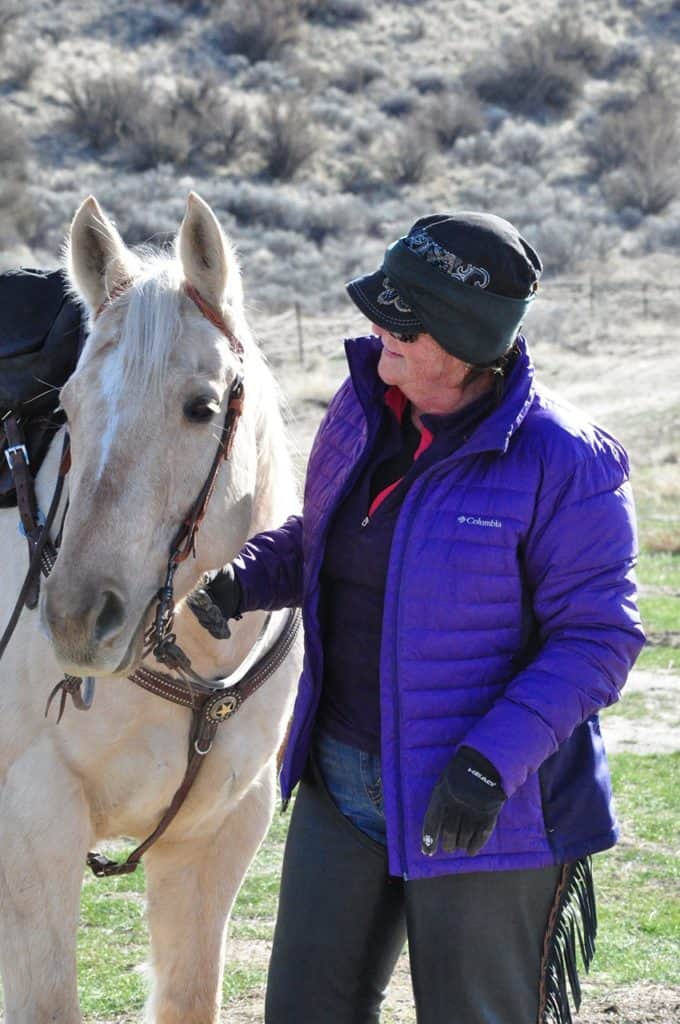
Stay warm around the barn during the coldest months by adding these winter-weather essentials to your horse-keeping wardrobe.

Species and individuals differ in their genetic potential for quick and coordinated movement. How do horses compare to humans?

Does wrapping a horse’s lower legs in the winter aid circulation and keep them warm?

Confused about your horse’s diet? We’re here to help. Here’s how to craft the proper hay and grain ration.

How cold is too cold to ride? Does your horse need a blanket? What should your horse eat during frigid weather? Find out how to get ready for winter during our hourlong Q&A.

The National Museum of Racing and Hall of Fame’s livestream follows the daily activities of pregnant mares and the births of their foals.

Prevailing wisdom has been that Western disciplines are too physically demanding to allow athletes to return to work after arthroscopic stifle surgery. A study presented at the 2019 AAEP Convention found this isn’t necessarily the case.

Since hitting the commercial equine market in 2014, bisphosphonates have been used primarily to manage horses with navicular disease. One veterinarian describes how they impact navicular region pain and lameness.
The second of two barns remains under quarantine due to confirmed EHV- cases.

Monitoring has revealed that no additional horses contracted EHV-1.
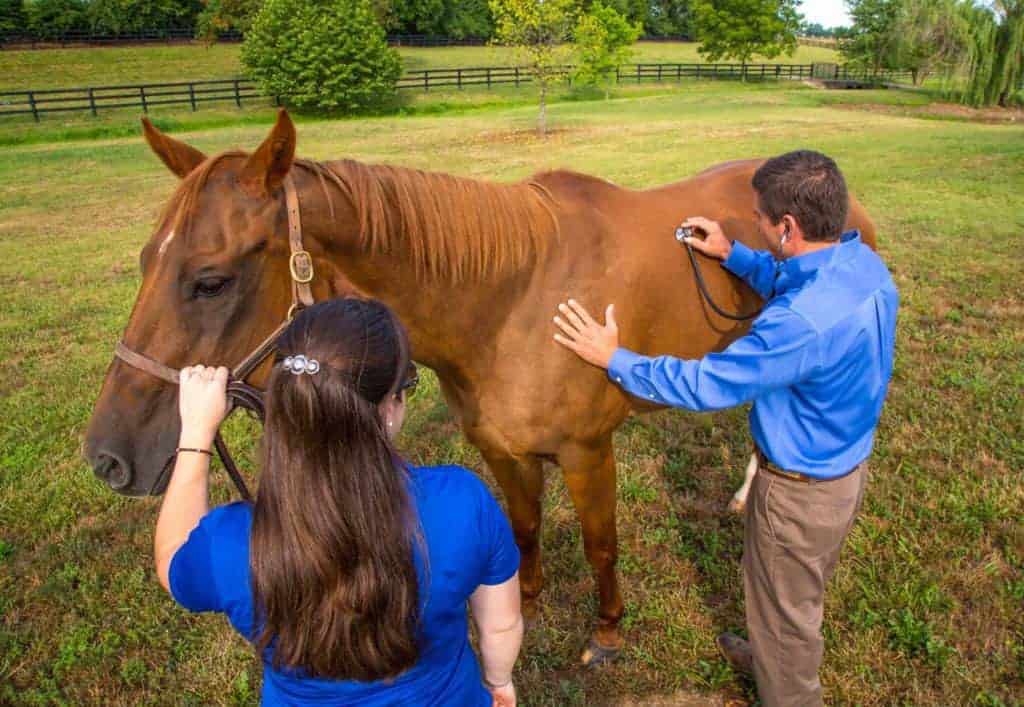
Not all diseases have cut-and-dried diagnoses. In this article, veterinarians walk us through actual cases of three tough-to-diagnose diseases: botulism, EPM, and Potomac horse fever.

Getting to the root of a less-than-ideal feeding regimen requires evaluating the horse, the human, the forage, and the grain or concentrate.
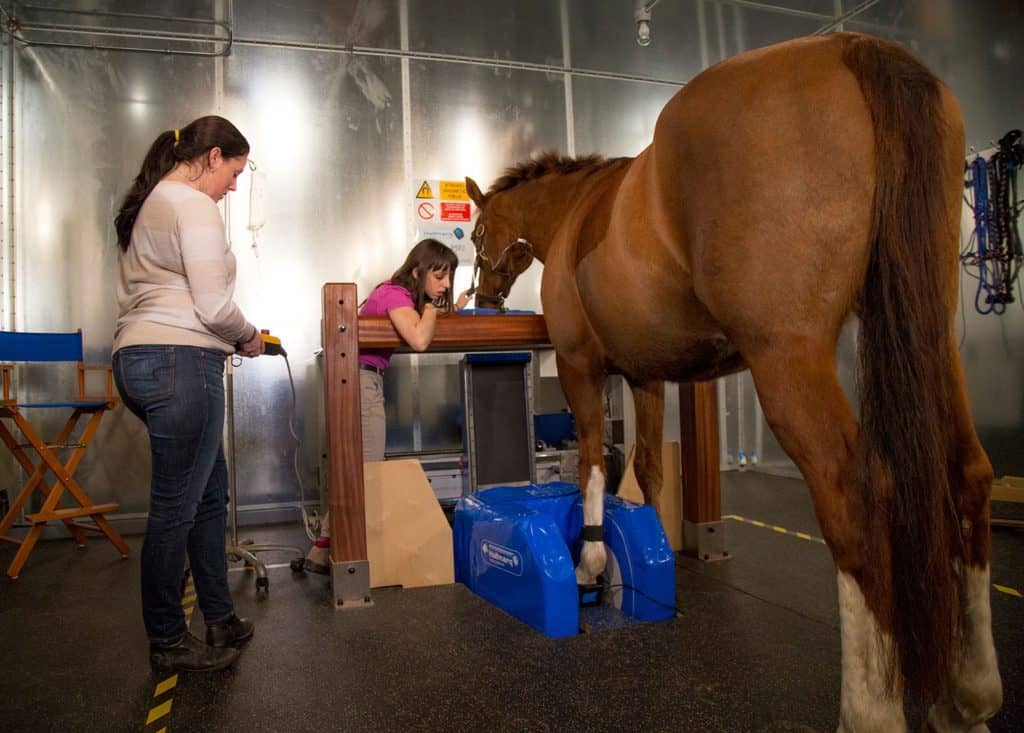
Here’s what we know and are learning about defining, diagnosing, and treating this painful foot disease.