Is Your Horse Ready to Learn?
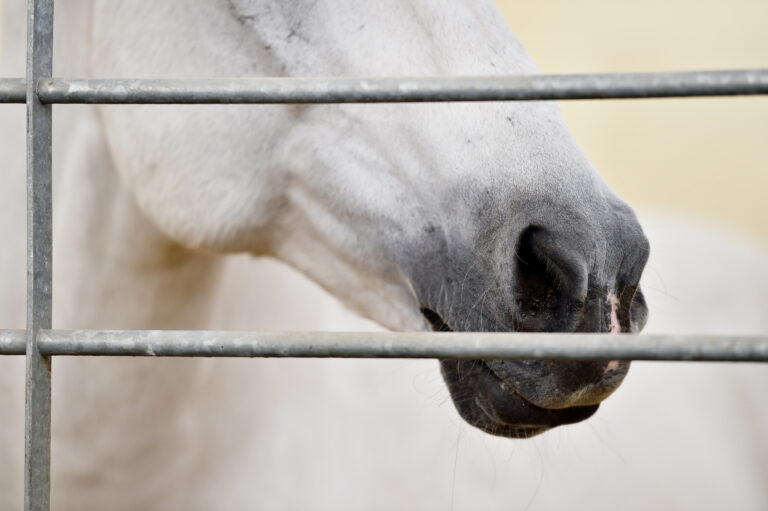
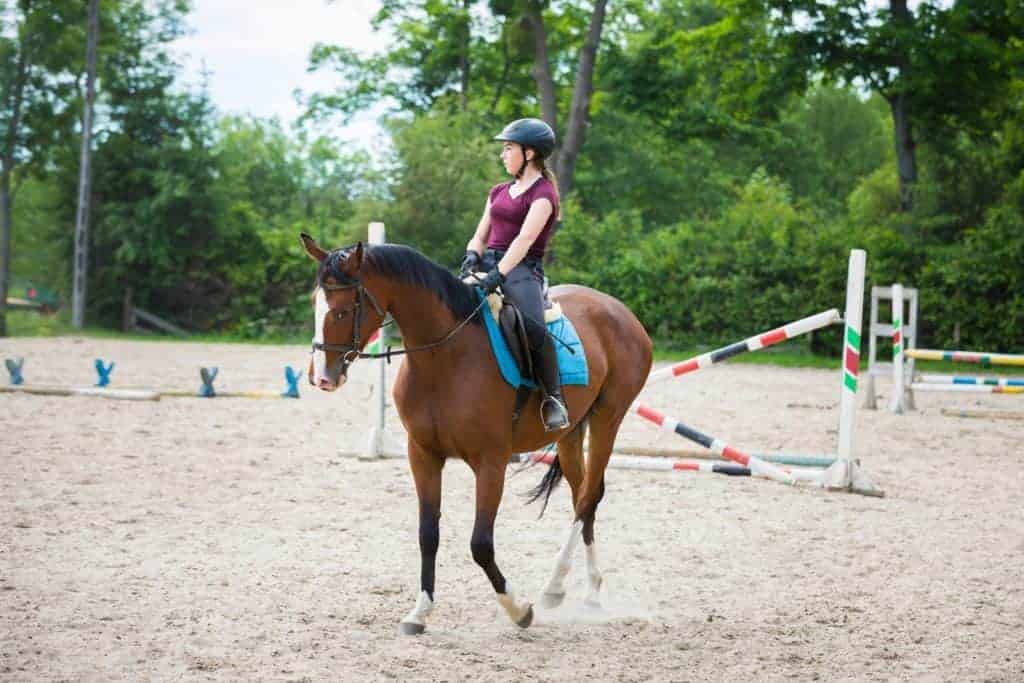
Researchers found that some mental warm-up to prepare your horse to learn can go a long way toward effective training.

Researchers found that some mental warm-up to prepare your horse to learn can go a long way toward effective training.

Performance horses have special nutritional needs. Here are some tips on how to get the most out of your athlete’s diet.

Researchers found that training using learning theory principles can yield excellent results in weeks-old foals.
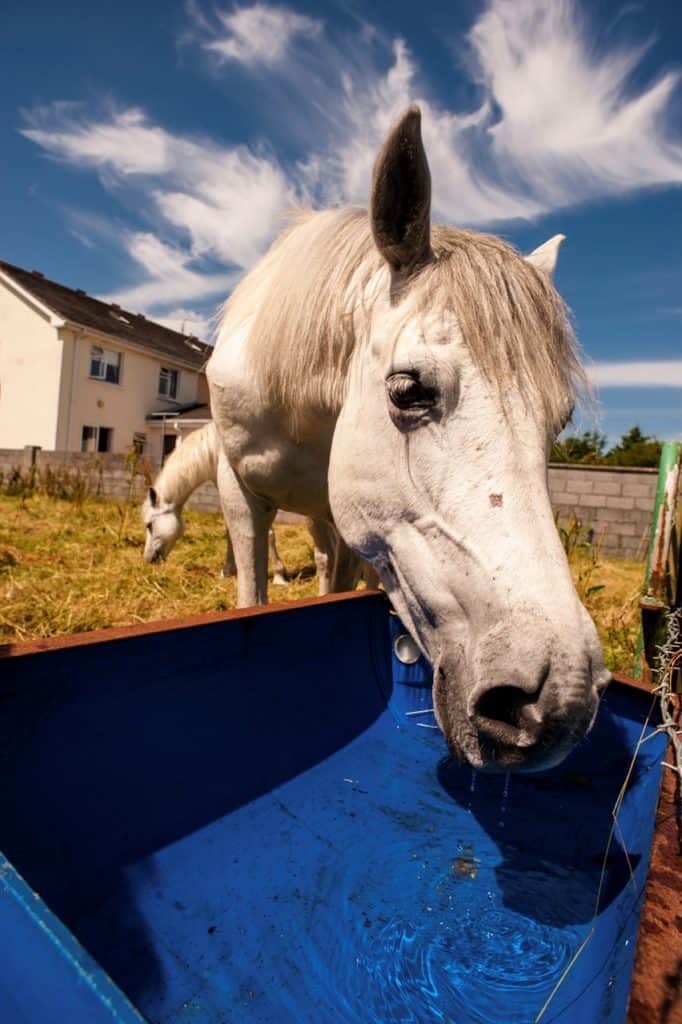
A lack of water in your horse’s diet can have serious consequences. Here’s what to remember.

Horses with significant cardiac arrhythmias or ones found during multiple sessions might be less likely to race.

Learn what a buyer and veterinarian need to be aware of when conducting an equine prepurchase examination.

Weight loss is possible in most situations, provided the owner remains actively involved in the nutrition program.

Vesicular stomatitis is known for causing severe mouth blisters, but did you know it can cause foot lesions as well? The USDA’s Dr. Angela Pelzel-McClusky explains.
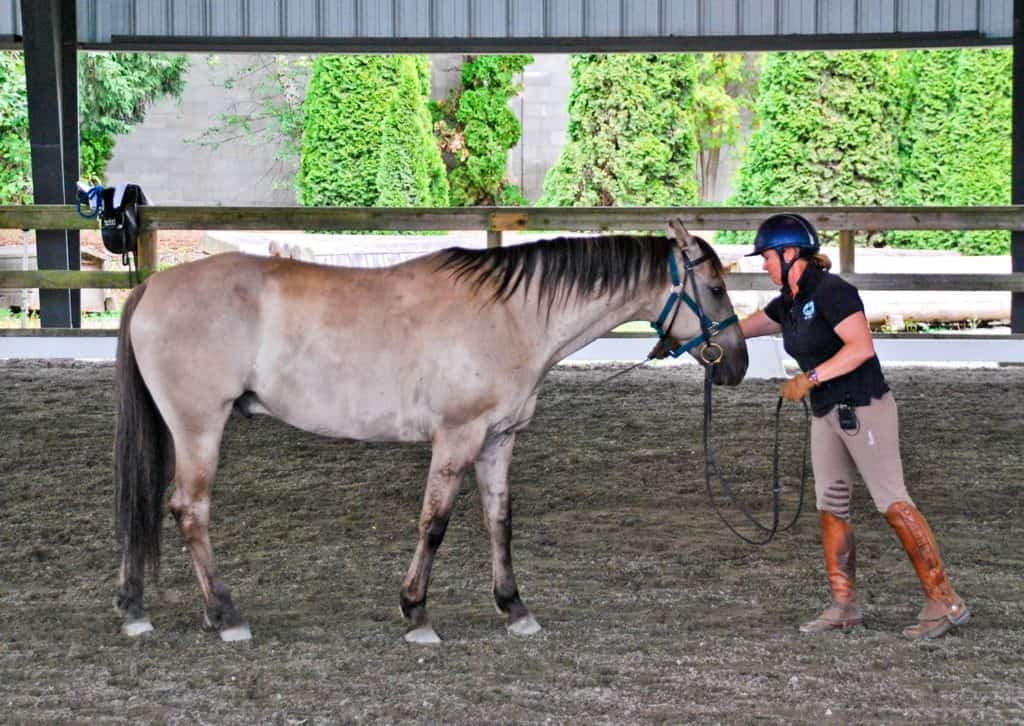
Researchers found that while many riders think they understand learning theory and its applications, few really do.

The affected horse from Madison County did not survive.
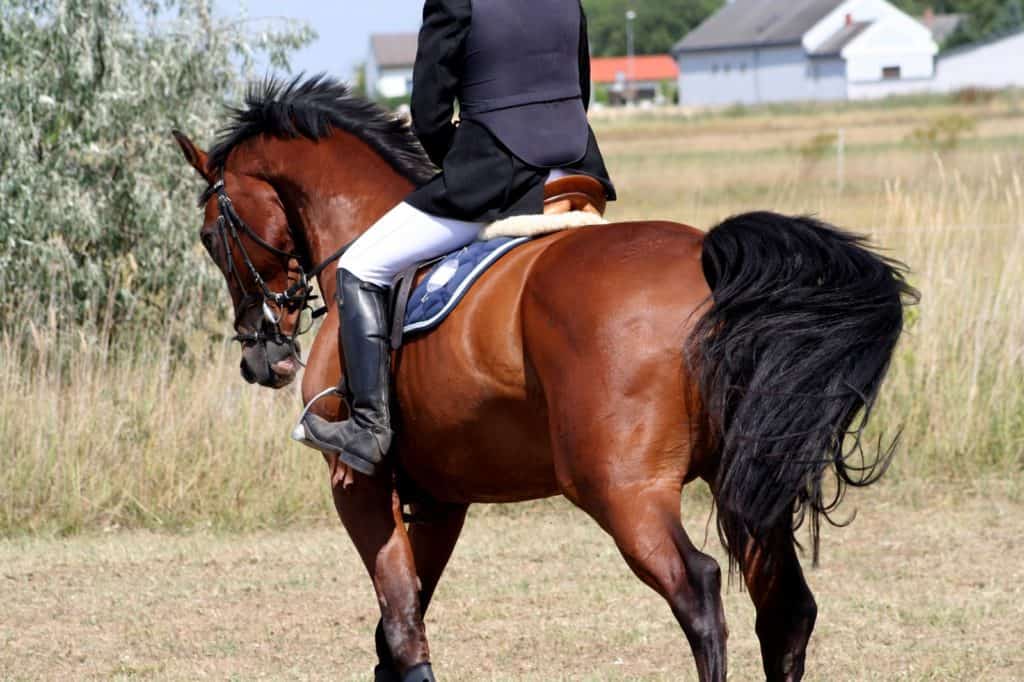
Saddle slip can negatively impact rider balance and equine locomotion, as well as rider biomechanics, researchers found.
Can Streptococcus equi zooepidemicus be transferred from horses to people?
Dr. Sue Stover’s research focuses on diagnosing, treating, and preventing musculoskeletal injuries in equine athletes.

Researchers studied personality trends in draft horses, Warmbloods, and draft-Warmblood-crosses to find out.
Merial says the prescription tablets will be available on the market in early fall.

Learn about less common but more difficult to diagnose upper body lamenesses in horses.